Wine Tasting in Piedmont: Discovering Barolo and Barbaresco
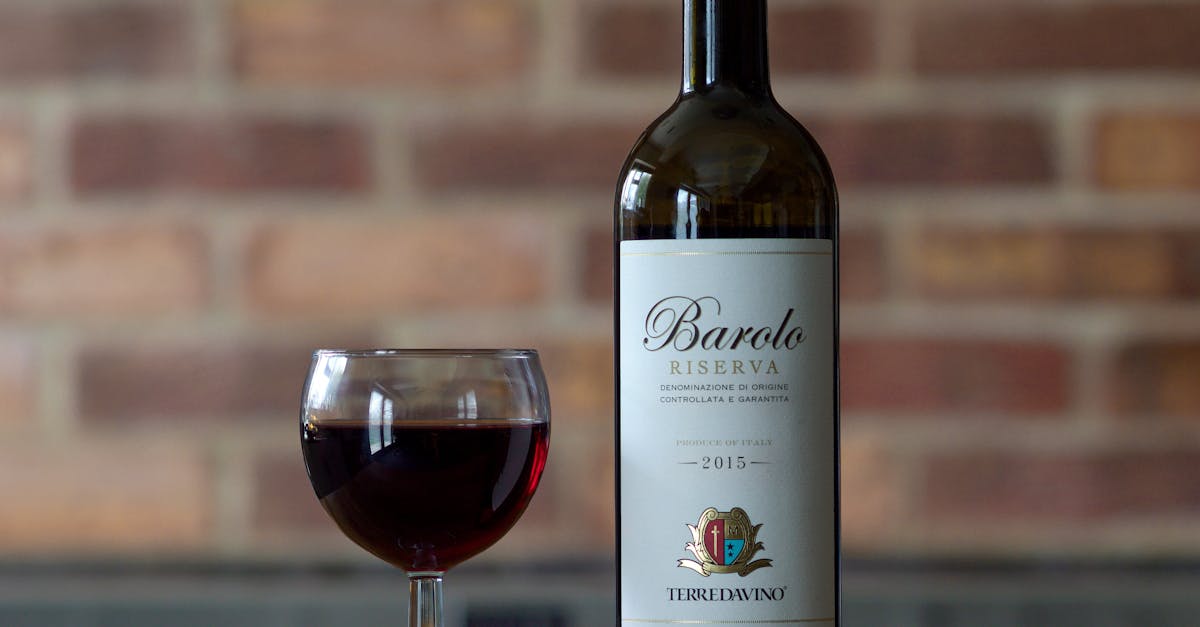 This photo was taken by Brett Jordan on Pexels.
The Noble Grapes: Understanding Nebbiolo's Unique Character
At the heart of Piedmont's prestigious wine region lies Nebbiolo, a noble grape variety that demands patience and reverence to truly appreciate. Often referred to as the "King of Grapes," Nebbiolo is responsible for the legendary Barolo and Barbaresco wines, each boasting a complex profile characterized by high acidity, firm tannins, and aromatic notes of tar, roses, dried cherries, and white truffles. Unlike many other varieties, Nebbiolo thrives in the specific microclimates and calcareous marl soils of Langhe and Roero, where the morning fog, from which the grape derives its name, plays a crucial role in ripening the fruit slowly and preserving its delicate balance.
Understanding Nebbiolo's unique character requires an open mind and a willingness to embrace its formidable structure, which often evolves dramatically with age. In its youth, these wines can be austere and imposing, but given time in the bottle or even a long decanting session at your local trattoria, they reveal layers of sophistication and elegance that are unmatched in the world of wine. As you embark on your tasting journey through the rolling hills of Piedmont, remember that sipping a glass of Barolo or Barbaresco is not merely about consumption; it is an immersive experience into the history, terroir, and artisanal passion of Italy's most celebrated wine-growing tradition.
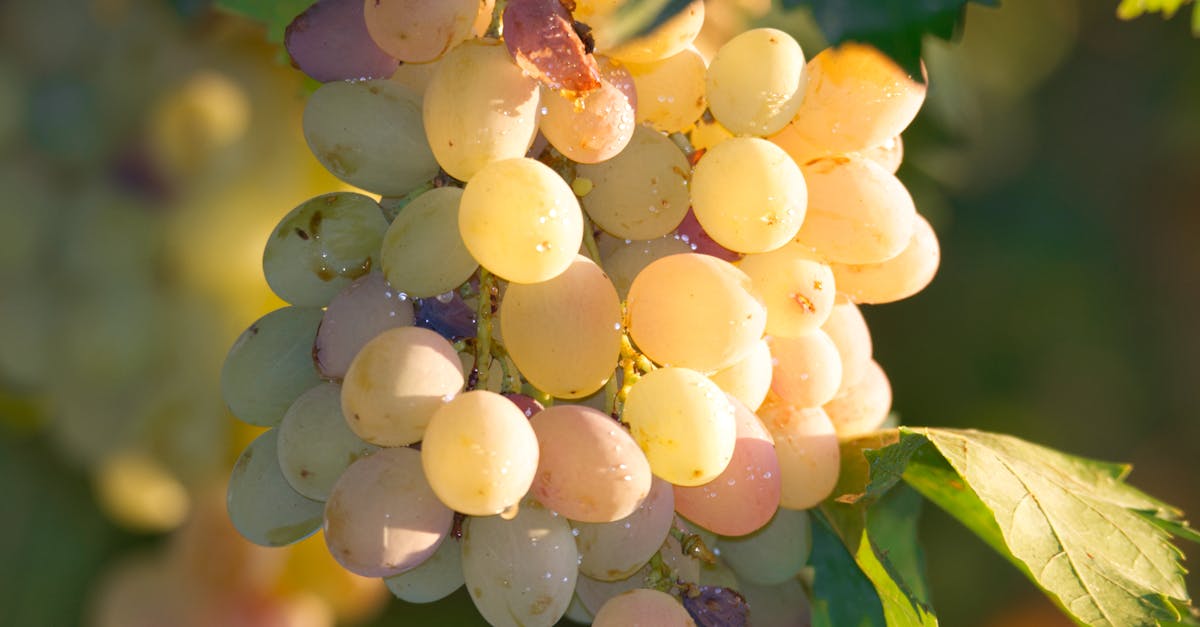 This photo was taken by Fernando Yllescas on Pexels.
A Journey Through the Hills: Barolo vs. Barbaresco
Imagine winding through the sun-drenched, undulating hills of Piedmont's Langhe region, where the air is thick with the scent of ripe grapes and ancient earth. This is the heartland of Barolo, often revered as the "King of Wines," a majestic Nebbiolo that demands patience to reveal its complex tapestry of tar, roses, and dried cherries. As you traverse the vineyards surrounding the picturesque villages of La Morra and Monforte, you will discover that each estate offers a unique expression of this noble grape, shaped by specific microclimates and soils rich in calcareous marl. A tasting here is not merely a sip but a deep dive into history, inviting you to savor a wine that has captivated royalty and connoisseurs for centuries, offering a robust structure and tannins that promise decades of aging potential.
In contrast, just a few kilometers away lies the realm of Barbaresco, the "Queen" of the region, where the hills roll more gently and the climate is slightly warmer, allowing the Nebbiolo to ripen a touch earlier than its northern cousin. The wines from villages like Barbaresco and Neive possess a distinct elegance and finesse, presenting aromatic profiles that are often more immediate and perfumed, with notes of violets, truffles, and sweet spices unfolding gracefully on the palate. While both share the same genetic heritage, a journey through these neighboring valleys reveals how subtle differences in terroir create two masterpieces that dance together yet stand apart; tasting Barbaresco alongside Barolo allows you to appreciate the full spectrum of Piedmontese excellence, from the powerful intensity of the former to the silky sophistication of the latter.
 This photo was taken by Erik Mclean on Pexels.
Pairing Perfection: Traditional Piedmontese Cuisine with Your Glass
In the rolling hills of Piedmont, the art of pairing is not merely a suggestion but a sacred tradition that elevates both the wine and the plate. When savoring the bold, tannic structure of Barolo or the elegant, aromatic finesse of Barbaresco, locals instinctively reach for rich, earthy dishes that mirror the wine's complexity. A classic match involves hearty braised meats like brasato al Barolo, where beef slow-cooked in the very wine you are tasting dissolves into a velvety sauce, perfectly softening the wine's robust tannins while amplifying its notes of truffle, tar, and dried cherry. Similarly, the region's prized white truffles from Alba find their ideal partner in these Nebbiolo-based wines, as the earthy perfume of the fungus dances harmoniously with the wine's floral and spicy undertones.
For those seeking a lighter yet equally profound experience, the cuisine of the Langhe offers exquisite options that highlight the versatility of Piedmontese viticulture. Creamy risottos made with local rice varieties, such as Arborio or Carnaroli, provide a gentle canvas that allows the acidity and fruitiness of a young Barbaresco to shine without being overwhelmed. Even simple preparations like agnolotti del plin, small pasta pockets filled with roast meat and served with a butter and sage sauce, demonstrate how regional simplicity can create a symphony of flavors when paired with a glass of aged red. As you explore these culinary treasures, remember that every bite is designed to complement the wine's evolution, turning a simple meal into an immersive journey through the soul of this historic Italian region.
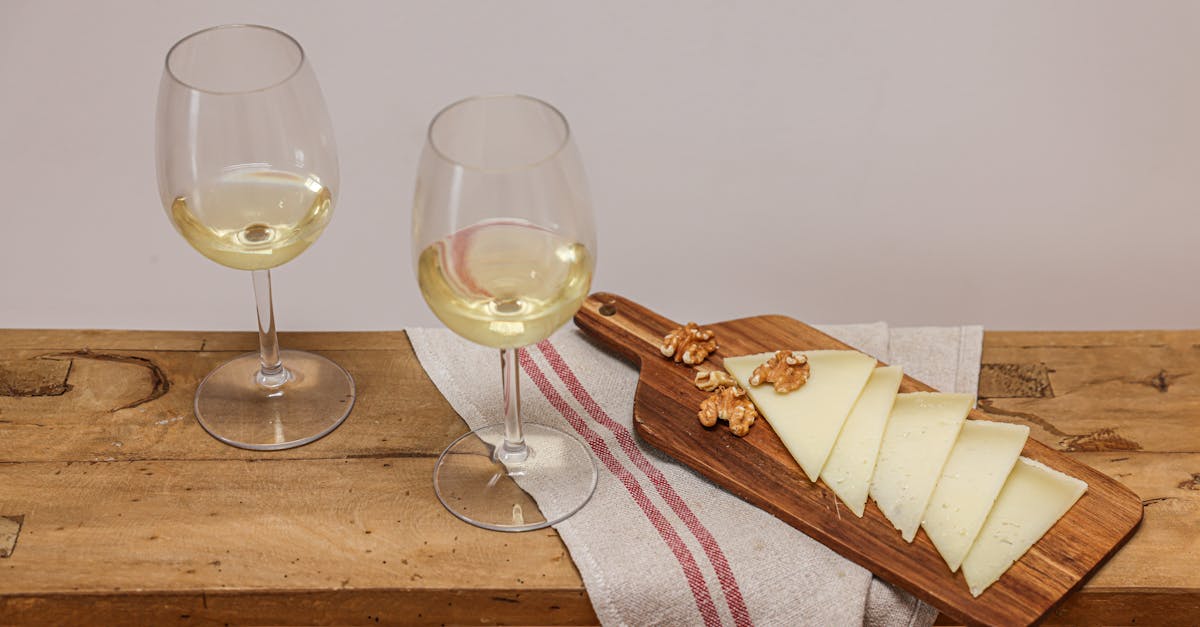 This photo was taken by Cup of Couple on Pexels.