Wine Tasting 101: Top Vineyards in Piedmont and Tuscany
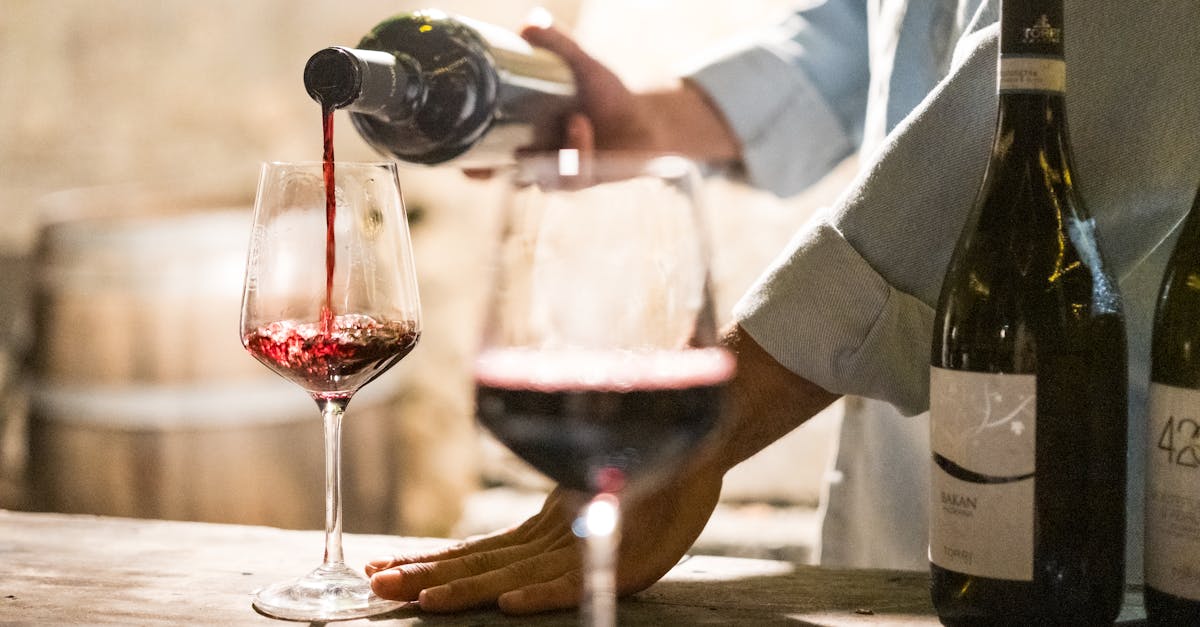 This photo was taken by Emanuele Nuccilli on Pexels.
Benvenuti! There is perhaps no better way to experience the soul of Italy than through its glass. As your guide through the boot's most celebrated wine regions, I invite you on a journey where ancient traditions meet modern craftsmanship. From the misty, noble hills of Piedmont to the sun-drenched vineyards of Tuscany, this post will serve as your essential companion for exploring the world's finest wines. Whether you are seeking the powerful elegance of Barolo or the vibrant charm of Chianti Classico, we will delve into the unique grapes that define these landscapes and discover how to perfectly pair each bottle with the authentic flavors of local cuisine. Get ready to raise your glass and taste the history of Italy.
The Noble Grapes of Piedmont: Barolo and Barbaresco
Nestled in the sun-drenched hills of Piedmont, the Langhe region offers a spiritual pilgrimage for wine enthusiasts through its two most celebrated crus: Barolo and Barbaresco. Often hailed as the "King of Wines," Barolo is crafted exclusively from the Nebbiolo grape, producing profound wines with high tannins, bright acidity, and complex aromas of tar, roses, and dried cherries that demand patience to reveal their full grandeur. Just a few kilometers away lies the slightly warmer terroir of Barbaresco, which yields a more elegant and approachable expression of Nebbiolo, characterized by softer tannins and a velvety texture that allows these exquisite vintages to be enjoyed sooner while still offering decades of aging potential.
Visiting the vineyards of these two iconic denominations is an immersive experience where history meets modern winemaking artistry. Whether you are exploring the historic cellars of Castiglione Falletto or the rolling slopes of Neive, local guides will lead you through ancient terraced rows where the foggy mornings give way to crisp afternoons perfect for tasting. Beyond the glass, the landscape itself tells a story of noble tradition, inviting you to pair your sips with rich regional specialties like white truffles and braised meats, ensuring that every sip connects you deeply to the soul of Italian viticulture.
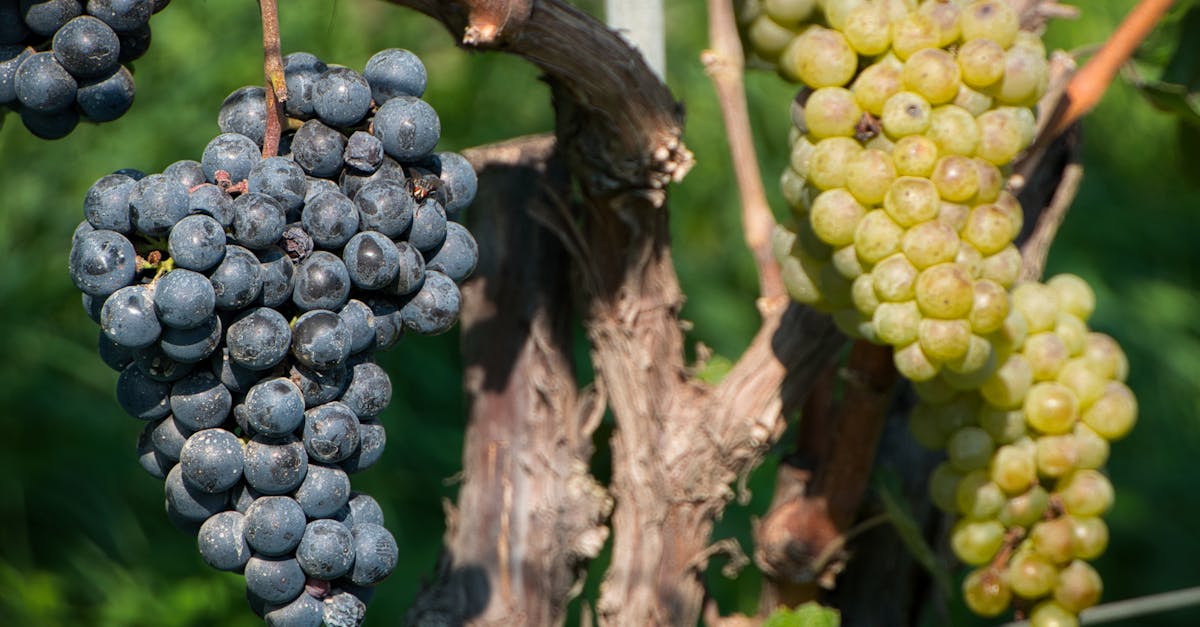 This photo was taken by Joerg Hartmann on Pexels.
Tuscan Sunsets: Exploring Chianti Classico and Brunello
As the golden hour paints the rolling hills of Chianti Classico in hues of amber and violet, you are invited to experience one of Italy's most romantic rituals: the sunset wine tasting. In this historic heartland, where ancient cypress trees stand as silent sentinels over vineyards, the air is thick with the scent of ripe Sangiovese grapes and wild thyme. Unlike the bustling city tours, a visit here offers a slower pace, allowing you to wander through the terraced rows of Castello di Ama or Banfi before the sun dips below the horizon. The light transforms the landscape into a living canvas, providing the perfect backdrop for sipping a glass of robust red while learning how the unique "galestro" soil contributes to the wine's complex character.Further south lies the prestigious Brunello di Montalcino region, where the sunsets are equally breathtaking but accompanied by wines of exceptional depth and longevity. Here, the vineyards stretch across the warm slopes of the Monte Amiata foothills, offering panoramic views that seem to stretch into eternity. Tasting a mature Brunello at twilight is a profound sensory journey; the deep ruby liquid reflects the dying light, revealing notes of cherry, leather, and earth that have developed over years of careful aging. Whether you are exploring the family-run estates of Poggio Antico or the grand cellars of Biondi-Santi, these Tuscan evenings promise not just a drink, but an immersion into centuries of winemaking tradition under the vast Italian sky.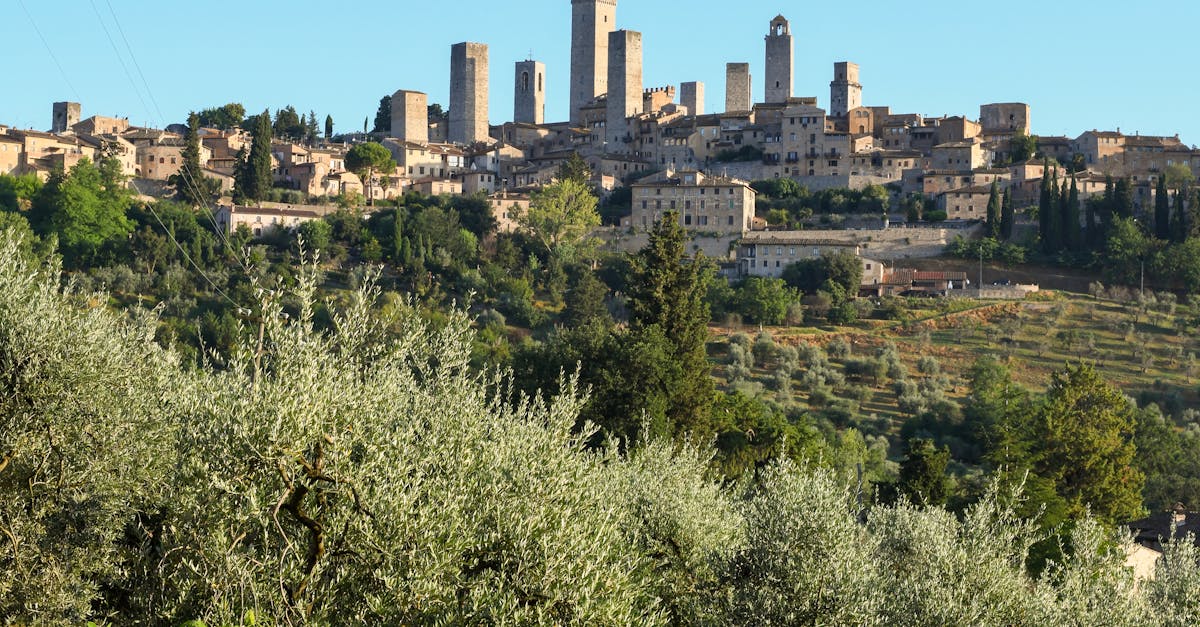 This photo was taken by Rosa Stone on Pexels.
A Comparative Guide: Pairing Regional Wines with Local Cuisine
In the rolling hills of Piedmont, the bold tannins and aromatic complexity of Barolo demand a hearty pairing with rich, slow-cooked dishes like tajarin pasta filled with meat or the legendary white truffle risotto. The region's Nebbiolo grapes, often described as the "King of Wines," cut through the fat of braised meats such as brasato al Barolo, creating a harmonious balance where the wine's acidity lifts the savory depth of the food. Moving south to Tuscany, the landscape shifts to embrace the sun-drenched Sangiovese grape, which pairs effortlessly with the rustic simplicity of Chianti Classico and its signature tomato-based ragus or grilled ribeye steak seasoned only with salt and rosemary. Here, the wine's bright cherry notes and earthy undertones enhance the natural flavors of the local ingredients without overpowering them, embodying the essence of Tuscan culinary tradition.
Understanding these regional nuances transforms a simple meal into an immersive cultural experience, guiding your palate through the distinct terroir of each province. In Piedmont, you might find that the delicate yet powerful Barbera complements lighter pork dishes and aged cheeses like Castelmagno, offering a refreshing contrast to the heavier reds. Conversely, in Tuscany, the versatility of Chianti allows it to accompany everything from wild boar stew to fresh pecorino cheese, showcasing how the wine adapts to both robust and refined local specialties. By aligning your glass with the specific dish prepared by the region's chefs, you unlock a deeper appreciation for the symbiotic relationship between Italy's soil, its winemakers, and its table, ensuring that every sip tells a story of the land it came from.
 This photo was taken by Jean-Paul Wettstein on Pexels.