Wine Tasting 101: Top Vineyards and Cellars to Visit in Italy
 This photo was taken by Emanuele Nuccilli on Pexels.
Buon giorno and welcome to the heart of Italy, where every bottle tells a story etched into centuries of tradition and sun-drenched landscapes. Whether you are a seasoned oenophile or taking your very first sip of Chianti, our journey through "Wine Tasting 101" promises an unforgettable adventure across the nation's most celebrated vineyards. From the rolling hills of Tuscany and the prestigious Langhe of Piedmont to the golden valleys of Veneto, we will guide you to discover iconic regions that define Italian viticulture. We will also step inside both historic cellars guarding ancient secrets and modern wineries embracing innovation, offering you a complete look at how wine is made in this beautiful country. Finally, don't worry if you are new to the world of wine; our section on mastering the art of Italian wine tasting provides essential tips for beginners to confidently navigate labels, understand aromas, and savor every note like a true local. Let's uncork the magic together!
Discovering the Iconic Regions: Tuscany, Piedmont, and Veneto
Begin your Italian wine journey in Tuscany, where rolling hills and cypress trees frame the production of world-renowned Chianti Classico and the bold Brunello di Montalcino. Here, you can explore historic estates like Castello di Ama or walk through the ancient vineyards of Bolgheri, sipping Sangiovese under the golden Tuscan sun while learning about the region's deep-rooted winemaking traditions. Just to the north lies Piedmont, a landscape defined by misty hills that yield some of Italy's most prestigious reds, including the powerful Barolo and the elegant Barbaresco from the Nebbiolo grape. Visitors often tour the truffle-infused cellars of Alba or the grand baroque palaces of Asti, where the art of slow fermentation meets centuries of aristocratic heritage.
Capping off this regional trio is Veneto, a diverse area offering everything from the sparkling elegance of Prosecco in the Valdobbiadene hills to the rich, amber hues of Amarone della Valpolicella. In this northern jewel, you can take a boat ride across Lake Garda while tasting crisp Soave wines or venture into the steep slopes of the Valpolicella valley to witness the unique appassimento process, where grapes are dried before fermentation to create intense flavors. Whether you are exploring the medieval villages of the Veneto countryside or enjoying a sunset dinner at a family-run cantina, these three regions collectively offer an unparalleled sensory experience that defines the very soul of Italian viticulture.
 This photo was taken by Caique Araujo on Pexels.
A Guide to Italy's Most Historic Cellars and Modern Wineries
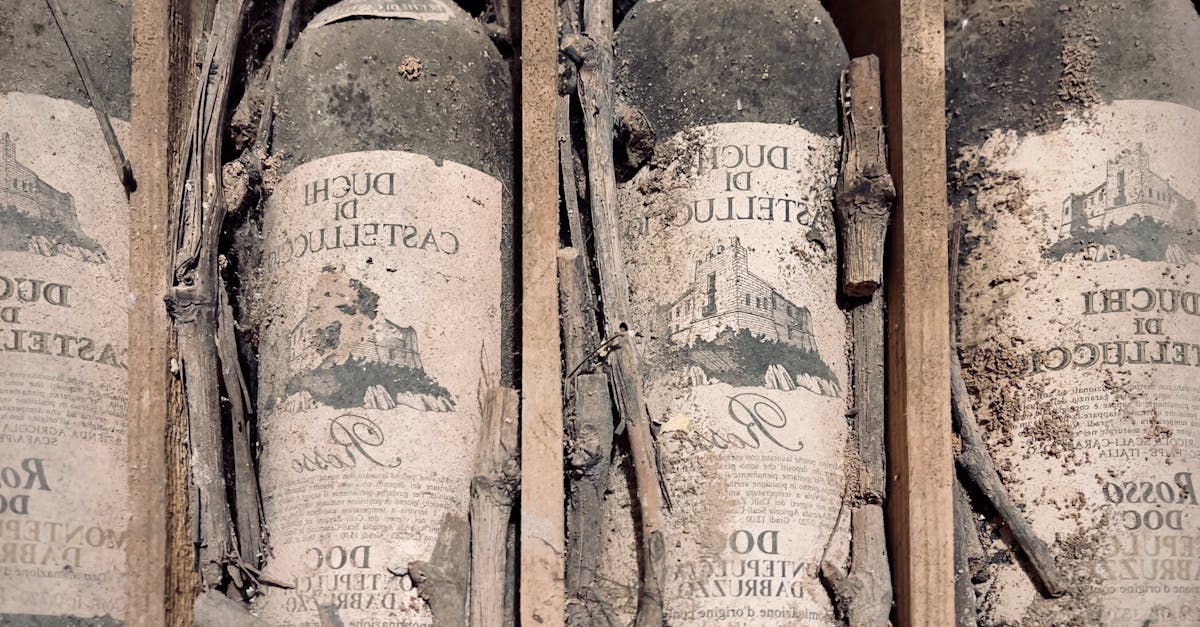
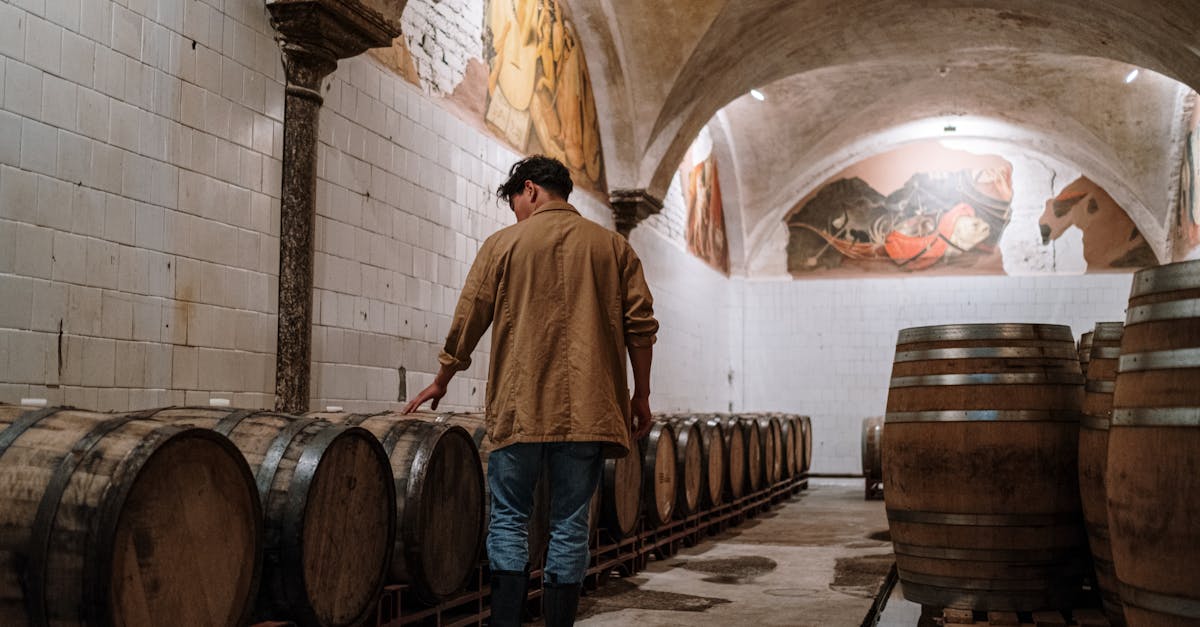
Immerse yourself in the ancient art of winemaking by exploring Italy's most historic cellars, where time seems to stand still amidst centuries-old stone walls and casks. In regions like Tuscany, you can wander through the legendary Brunello di Montalcino estates, such as Biondi-Santi, where the first bottle was bottled in 1888, or visit the underground tunnels of Barolo that have been aging Nebbiolo grapes since the Middle Ages. These sanctuaries offer a profound connection to history, allowing visitors to taste wines that have evolved alongside Italian culture, often accompanied by stories passed down through generations of vintners who treat their vineyards not just as businesses, but as sacred family legacies.
Contrasting this rich heritage are Italy's modern wineries, architectural marvels that seamlessly blend innovation with tradition to create unforgettable tasting experiences. From the sleek, solar-powered facilities of Piedmont's Langhe region to the avant-garde designs in Sicily's Etna DOC, these contemporary spaces showcase cutting-edge viticulture techniques while respecting the terroir. Here, you will find dynamic sommeliers guiding you through experimental blends and single-vineyard selections, all served in minimalist tasting rooms that offer panoramic views of rolling hills. Whether you are sipping a crisp Vermentino on a terrace or enjoying a glass of Primitivo in a state-of-the-art barrel room, these modern venues prove that Italy's wine scene is as forward-looking as it is deeply rooted in its past.
 This photo was taken by Jana Ohajdova on Pexels.
Mastering the Art of Italian Wine Tasting: Tips for Beginners
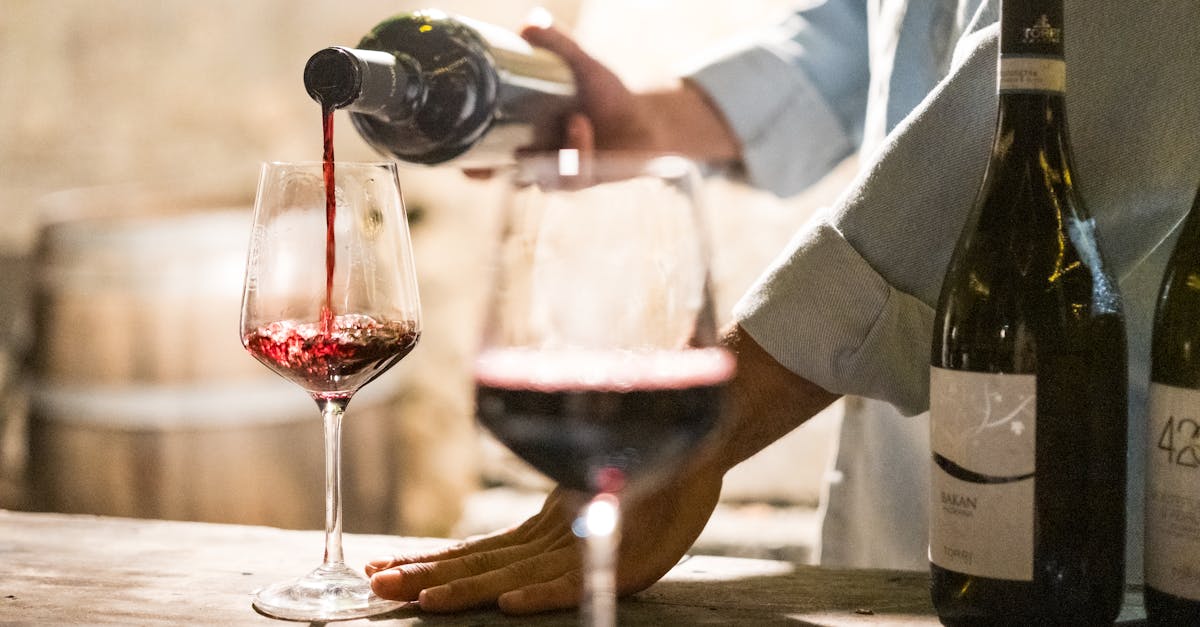
Embarking on your Italian wine journey begins with understanding the simple yet profound ritual of tasting, which transforms a mere drink into a cultural experience. Start by observing the wine's "legs" or tears running down the glass, a sign often indicating its body and alcohol content, before gently swirling it to release those complex aromas that define regions like Tuscany's Chianti Classico or Piedmont's Barolo. When you take that first sip, let the liquid coat your entire palate rather than just the tip of your tongue; pay close attention to the balance between acidity, tannins, and fruit flavors, as these elements tell the story of the soil and climate where the grapes were grown. Remember, there are no wrong answers in this sensory exploration—trust your instincts and embrace the unique character of each vintage.
To truly master the art, engage actively with your sommelier or guide, who can illuminate the specific terroir differences between vineyards even within the same DOCG zone. Don't hesitate to ask about the local food pairings, as Italian wines are designed to complement regional cuisine; for instance, a crisp Vermentino from Sardinia shines alongside fresh seafood, while a robust Aglianico pairs perfectly with hearty meat stews. Finally, keep an open mind and a notebook handy to jot down your impressions, noting how the wine evolves from the nose to the finish. By approaching each glass with curiosity and respect for tradition, you will not only deepen your appreciation but also unlock the true soul of Italy's legendary winemaking heritage.
 This photo was taken by cottonbro studio on Pexels.