Understanding Italian Dining Hours: How to Eat Like a Local
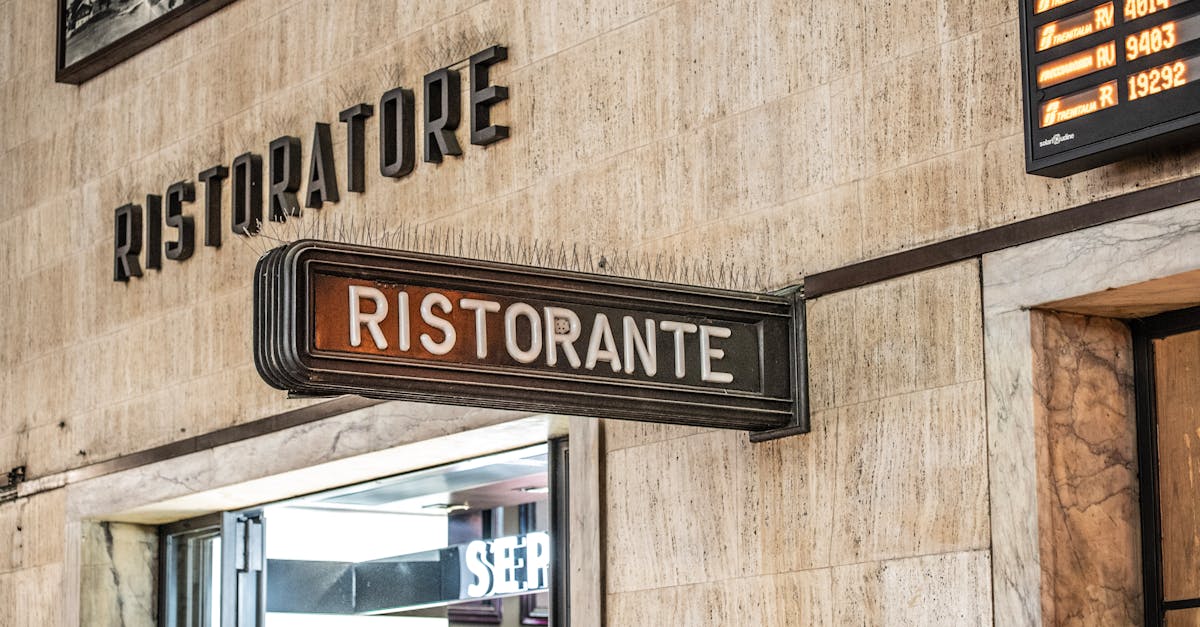 This photo was taken by Mihaela Claudia Puscas on Pexels.
The Golden Rule of Pranzo: Why Lunch is the Main Event
In Italy, pranzo is far more than a quick midday refuel; it is the culinary anchor of the day, traditionally serving as the most substantial and leisurely meal of the 24-hour cycle. Unlike the hurried lunch breaks common in many other cultures, the Italian pranzo is an unhurried affair where families and friends gather to savor multiple courses, often stretching from late morning until well past one o'clock. This cultural ritual emphasizes the joy of sharing food and conversation, with locals typically enjoying a primo (pasta or rice), a secondo (meat or fish) accompanied by contorno (vegetables), followed by fruit or cheese, all washed down with a glass of local wine. To eat like a true Roman or Florentine, you must embrace this slow pace, understanding that rushing through your main meal is seen as missing the point entirely.
This deep-rooted tradition directly influences the rhythm of Italian life, particularly regarding restaurant hours and evening dining. Because the main event happens at noon, dinner—known as cena—is intentionally lighter and served much later, rarely starting before 8:00 PM and often not filling up until 9:30 PM or later. If you attempt to dine out for a heavy meal at 6:00 PM, you will likely find many kitchens closed or empty, as chefs are either prepping for the evening rush or cleaning up after the lunch crowd. By aligning your schedule with the golden rule of pranzo, you unlock the authentic experience of Italian gastronomy, ensuring you are there when the kitchen is firing on all cylinders and the atmosphere buzzes with the energy of a nation that truly values its time at the table.
 This photo was taken by Jean-Paul Wettstein on Pexels.
La Dolce Sera: Navigating Late Dinners and Aperitivo Culture
In Italy, the evening meal is a cherished ritual that often begins well after 8:00 PM, with locals frequently dining between 9:00 and 10:30 PM. This late schedule can catch first-time visitors off guard, but it is deeply rooted in the country's lifestyle, allowing time for work to end and the day to cool down before gathering. Instead of rushing through a quick bite, the Italian approach treats dinner as a social event where conversation flows freely over multiple courses, accompanied by wine and perhaps a digestif to aid digestion. Embracing this rhythm means adjusting your own clock; arriving early at a popular trattoria might result in an empty room, whereas showing up closer to nine o'clock ensures you join the vibrant atmosphere of locals unwinding together.
Before the main course arrives, however, lies the golden hour known as l'aperitivo, a tradition that seamlessly bridges the gap between afternoon relaxation and the night's festivities. Typically enjoyed from 6:00 PM onwards, this pre-dinner drink usually features a spritz, prosecco, or bitter liqueur paired with an abundance of complimentary snacks ranging from olives and chips to elaborate buffets of bruschetta and cold cuts. Far more than just a drink, the aperitivo culture serves as a communal gathering point where friends and families meet to chat and transition into the evening. By participating in this custom, you not only satisfy your hunger with light bites but also immerse yourself in the authentic "sweet evening" spirit that defines Italian social life, ensuring your culinary journey feels as much like a local experience as it does a delicious one.
 This photo was taken by Jan van der Wolf on Pexels.
What Happens If You Eat Outside the Window? A Guide to Timing
In Italy, dining is a ritual deeply rooted in the rhythm of the day rather than a mere transaction to satisfy hunger, so arriving at a restaurant outside these sacred windows can lead to a peculiar experience. If you attempt to visit a traditional trattoria for lunch between 1:00 PM and 2:30 PM or dinner before 7:30 PM, you will likely find the kitchen closed, the staff prepping for service, or simply the doors locked tight. This isn't an oversight but a cultural necessity; Italian chefs rely on fresh, daily markets and need uninterrupted time to prepare their menus, meaning that trying to force a meal during these off-hours often results in being politely turned away or directed to a fast-food chain, which stands in stark contrast to the leisurely, multi-course experience locals cherish.Conversely, embracing the local timing transforms your trip from a standard tourist activity into an authentic immersion in Italian life. By aligning your schedule with the late lunch (usually starting around 1:30 PM) and the famously late dinner (often beginning after 8:00 PM), you join the bustling atmosphere where tables fill up gradually as the sun sets and the city comes alive. During these peak hours, you will witness the true energy of Italian dining: the clinking of wine glasses, the animated conversations, and the deliberate pace at which courses are served, allowing you to savor every moment just as a local would. So, instead of fighting the clock, let it guide you to the perfect table at the right time, ensuring your culinary journey flows as naturally as the Amalfi coast itself. This photo was taken by Jeff Stapleton on Pexels.