UNESCO World Heritage Sites: A Checklist for History Buffs
 This photo was taken by Estella on Pexels.
Ciao and welcome to the heart of Italy, a land where every stone whispers a story from millennia past. As a local guide who has spent countless years exploring our beautiful country, I can tell you that Italy holds more UNESCO World Heritage Sites than any other nation on Earth—a testament to its unparalleled cultural and historical significance. Whether you are tracing the footsteps of ancient emperors, marveling at architectural feats built upon water, or wandering through cities that sparked the Renaissance, this journey is designed for the true history enthusiast. In this post, we have curated an essential checklist to help you navigate the Eternal City's ancient wonders in Rome and Ostia, discover Venice as a masterpiece of human ingenuity on water, and explore Tuscany's Renaissance treasures in Florence, Siena, and San Gimignano. Get your passport ready; it's time to walk through history.
The Eternal City's Ancient Wonders: Rome and Ostia
Navigating the layers of history in Rome is like walking through an open-air museum where every stone whispers a story of emperors, gladiators, and daily life from two millennia ago. The Colosseum stands as a majestic testament to Roman engineering and spectacle, while the Roman Forum offers a hauntingly beautiful glimpse into the political and social heart of the ancient world. Just steps away, the Pantheon's massive concrete dome remains an architectural marvel that has withstood earthquakes and centuries of use, housing the tombs of kings and artists alike. For history buffs, these sites are not merely tourist attractions but essential chapters in the human narrative, offering a tangible connection to the grandeur of the Roman Empire that UNESCO recognizes as a cornerstone of our shared cultural heritage.
Just a short train ride from the bustling center lies Ostia Antica, often called Rome's best-kept secret and a time capsule frozen in the moment before its abandonment. Unlike the heavily restored ruins found elsewhere, Ostia provides a remarkably authentic experience where you can walk through actual residential apartments, browse the original shops of merchants, and even see the intricate mosaic floors of private villas. This ancient port city reveals the everyday lives of common Romans, from the bakeries that still bear the marks of their ovens to the thermal baths where citizens once gathered to socialize. Including Ostia on your checklist alongside the major monuments of Rome ensures a comprehensive understanding of ancient urban planning and society, making it a perfect complement to the imperial splendor of the capital.
 This photo was taken by Hisham Zayadneh on Pexels.
Venice: A Masterpiece of Human Ingenuity on Water
Perched precariously yet harmoniously upon a lagoon of 118 islands, Venice stands as the ultimate testament to human resilience and engineering brilliance. Unlike any other city on Earth, it was not built upon solid ground but rather constructed by driving millions of wooden piles into the soft mud beneath the waves, creating a foundation that has supported its majestic architecture for over a millennium. As you navigate the winding canals in a traditional gondola or glide through the Grand Canal on a vaporetto, you are tracing the very arteries of a city that defies nature's limitations, transforming a treacherous marshland into a floating metropolis where palazzos rise directly from the water and bridges connect a labyrinthine world without a single street for cars.
Beyond its unique construction, Venice captivates history buffs with an unparalleled artistic heritage that earned it UNESCO World Heritage status in 1987. The city is a living museum where every corner reveals a masterpiece, from the opulent Doge's Palace to the intricate mosaics of St. Mark's Basilica, all preserved within a fragile ecosystem that requires constant care. Walking through its historic center feels like stepping back in time, where the interplay of light on the water reflects centuries of maritime power, artistic revolution, and cultural exchange, making it an essential stop for anyone seeking to understand how humanity can create enduring beauty in the most challenging environments.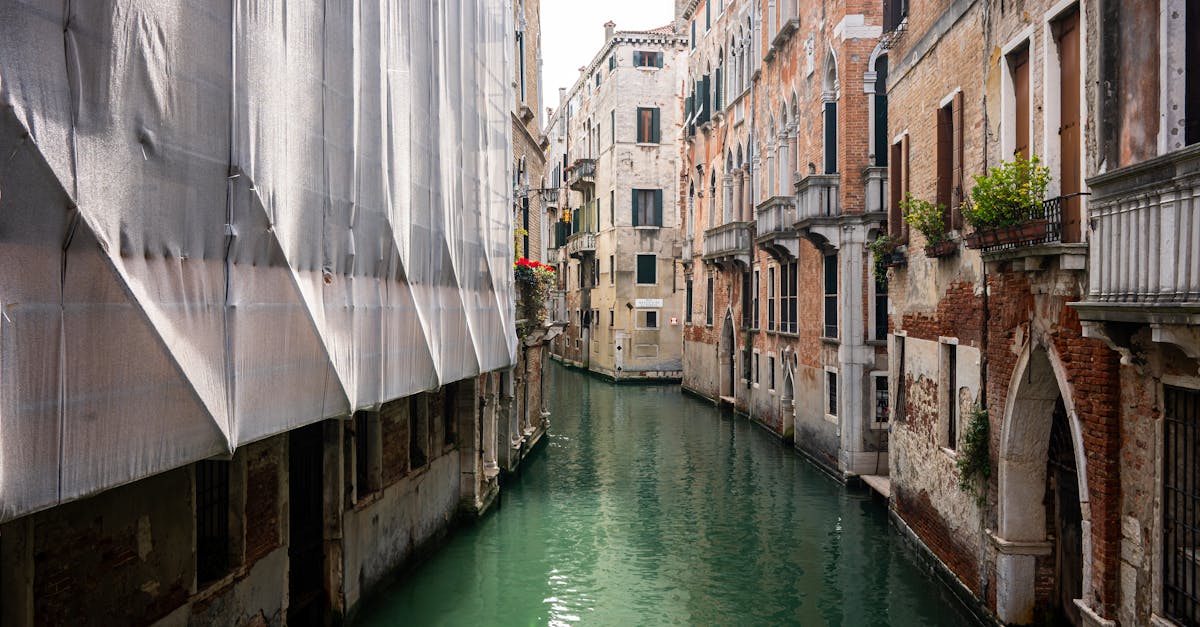 This photo was taken by Dominik Gryzbon on Pexels.
Tuscany's Renaissance Treasures: Florence, Siena, and San Gimignano
At the heart of Tuscany lies Florence, the undisputed cradle of the Renaissance where history breathes through every cobblestone and fresco. As a UNESCO World Heritage Site, this city offers an unparalleled journey into the minds of giants like Michelangelo, Leonardo da Vinci, and Botticelli, whose masterpieces still adorn the Uffizi Gallery and the Duomo's breathtaking dome. For history buffs, wandering through the Galleria dell'Accademia to see the original David or exploring the Medici Chapels is not merely sightseeing; it is walking through the very birthplace of modern art and humanism, making Florence an essential stop on any cultural itinerary.
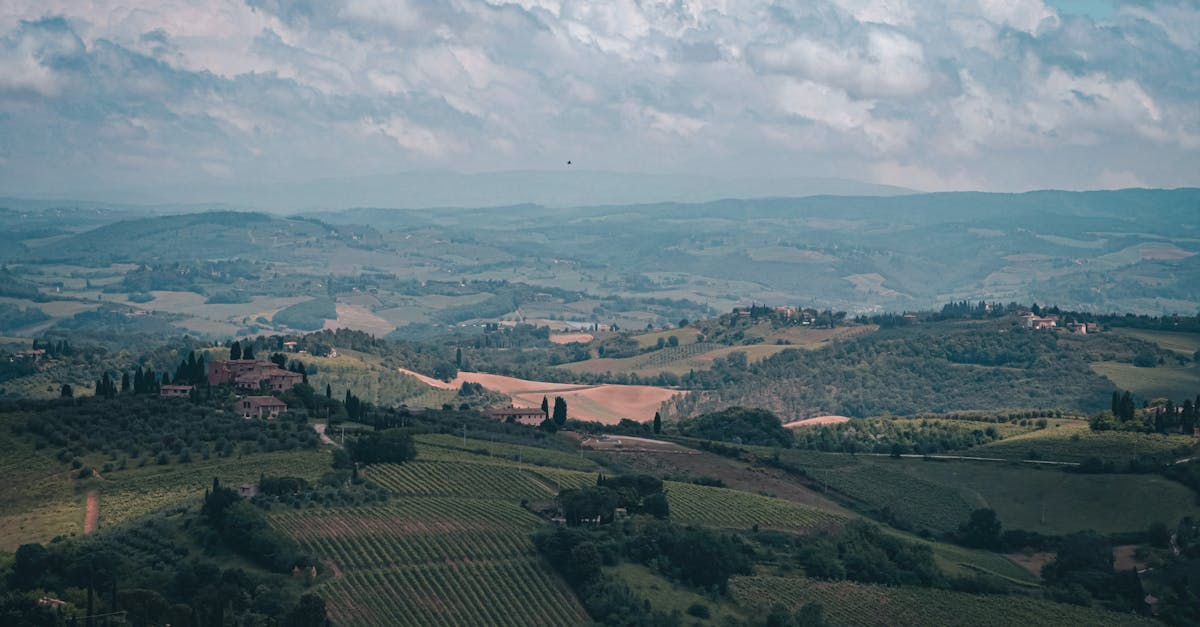
Just a short train ride away, the medieval landscapes of Siena and San Gimignano offer a complementary narrative of Italian heritage, preserving the architectural splendor that preceded and coexisted with the Renaissance fervor. Siena's Piazza del Campo, shaped like a shell and surrounded by the Gothic majesty of the Palazzo Pubblico, hosts the famous Palio horse race, while its cathedral rivals Florence in artistic richness. Meanwhile, San Gimignano, known as the "Medieval Manhattan" for its surviving stone towers, provides a perfectly preserved glimpse into 14th-century life, complete with stunning frescoes inside its Collegiate Church. Together, these three cities form a golden triangle of culture that no history enthusiast should miss.
 This photo was taken by Mehmet Turgut Kirkgoz on Pexels.