Transportation Made Easy: Navigating Italy's Train Network Like a Pro
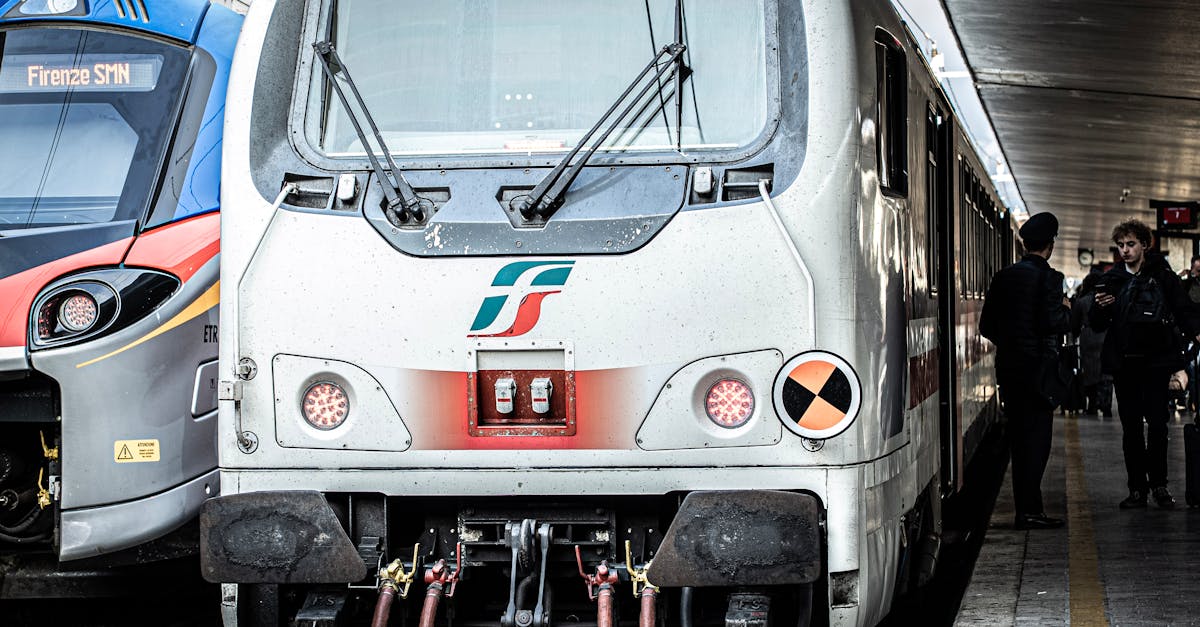 This photo was taken by Mihaela Claudia Puscas on Pexels.
Welcome to the heart of Italian travel, where the rhythmic clatter of wheels on tracks connects ancient cities, rolling vineyards, and sun-drenched coastlines. Italy's train network is not merely a mode of transport; it is the very artery that pulses with the country's vibrant life, offering an unparalleled journey through history and culture. Yet, for many visitors, the sheer variety of operators, ticketing systems, and bustling hubs can feel overwhelming at first glance. Fear not! In this guide, we will demystify the system, helping you choose the perfect train for your specific needs, master the art of purchasing and validating your tickets with confidence, and navigate major stations like a seasoned local. Get ready to glide across the peninsula effortlessly, leaving behind the stress of traffic and parking to focus entirely on the breathtaking scenery unfolding outside your window.
Choosing the Right Train for Your Journey
Navigating Italy's rail system begins with understanding the distinct roles of its different train categories, as choosing the right one can significantly impact both your budget and your schedule. High-speed Frecciarossa or Italo trains are your best allies for covering long distances between major hubs like Rome, Florence, and Milan in under two hours, offering a smooth, modern experience with reserved seating that is essential during peak tourist seasons. Conversely, regional trains provide an economical and scenic alternative for shorter hops to charming towns or coastal villages, though they operate on a first-come, first-served basis without mandatory reservations, requiring you to arrive at the platform with ample time to secure a seat.
To truly travel like a pro, it is crucial to book your tickets well in advance for high-speed services, where prices often fluctuate based on demand, much like airline fares, while regional tickets remain fixed regardless of when you purchase them. Always verify whether your ticket requires validation before boarding; this step is mandatory for most regional passes but unnecessary if you have booked a specific seat on a high-speed line online. By aligning your itinerary with the correct train type and adhering to these booking nuances, you ensure a seamless journey that maximizes your time exploring the breathtaking landscapes and historic cities that make Italy such an unforgettable destination.
 This photo was taken by Ketut Subiyanto on Pexels.
Mastering Ticket Purchases and Validation
Securing your train tickets in Italy is the first step toward a seamless journey, and while purchasing online via the Trenitalia or Italo websites offers the best rates and seat selection, understanding the physical ticketing process at stations is equally crucial. When buying from automated machines or ticket counters, always ensure you select the correct class of travel and verify that your name matches your ID if you are booking a high-speed Frecciarossa or Italo service, as these require strict identity checks. For those who prefer the convenience of mobile apps, remember to download your e-tickets before arriving at the platform, as connectivity can be spotty in busy terminals, and having a digital copy ready ensures you won't miss your connection due to last-minute technical hiccups.
Once you have your paper ticket, the most critical rule to master is validation; unlike many other European countries where a printed ticket is valid for any train within a time window, Italian regional trains require you to stamp your ticket in the green or yellow machines located on the platform before boarding. Failing to validate your ticket before stepping onto the train is considered fare evasion by conductors, who frequently perform random inspections and issue significant fines on the spot, so treat the validation machine as an essential part of your boarding ritual. Conversely, if you purchased a reserved seat ticket for high-speed services or bought your ticket digitally, no validation is needed, but it is wise to double-check the small print on your receipt to avoid unnecessary stress during your Italian adventure.
 This photo was taken by Gustavo Fring on Pexels.
Navigating Major Stations with Confidence
Stepping into Italy's bustling major hubs like Roma Termini or Milano Centrale can feel overwhelming at first, but with a little preparation, you will navigate them with ease. Start by arriving 20 minutes early to locate your platform, as Italian stations often have multiple levels and platforms that change rapidly; always double-check the digital departure boards for any last-minute updates rather than relying solely on your ticket. Once inside, keep an eye out for the "Binario" (platform) signs and follow the color-coded floor markings, which are increasingly common in renovated stations to guide passengers directly to their train cars. Remember that while staff are generally helpful, they may speak limited English, so having your train number and destination written down or ready on your phone is the key to getting quick assistance.
To truly move like a local pro, familiarize yourself with the validation ritual before boarding regional trains, as failing to stamp your paper ticket at the green machines before departure can result in heavy fines during inspections. For high-speed Frecciarossa or Italo services, simply board at your assigned seat if you have a reservation, but be mindful of luggage storage areas near the doors to avoid blocking aisles during peak hours. Don't forget to download offline maps of the station layout on your smartphone, as Wi-Fi can be spotty in crowded concourses, and trust your instincts—if you see a long queue at a specific gate, it is likely the correct one for your route. With these tips in mind, the grandeur of Italy's railway network becomes a seamless part of your journey rather than a hurdle.
 This photo was taken by Simon R. Minshall on Pexels.