The Slow Food Movement: Understanding Italy's Passion for Local Ingredients
 This photo was taken by Yavuz Solgun on Pexels.
Buongiorno and welcome to the heart of Italian culinary soul! When we think of Italy, images of bustling trattorias, aromatic basil fields, and golden olive groves immediately come to mind. Yet, behind every perfect bite lies a profound philosophy that goes far beyond mere sustenance: the Slow Food Movement. Born in the rolling hills of Piedmont as a response to the rise of fast food culture, this movement is not just about eating; it is a passionate celebration of local ingredients, environmental stewardship, and the timeless traditions that bind communities together. In this post, we will journey from the origins of this revolutionary idea to explore how Italy's diverse geography crafts unique regional treasures, and finally, discover how preserving these ingredients safeguards our rich cultural heritage for generations to come. Get ready to savor the story of Italy, one ingredient at a time.
From Farm to Fork: The Origins of the Slow Food Philosophy
From Farm to Fork: The Origins of the Slow Food Philosophy
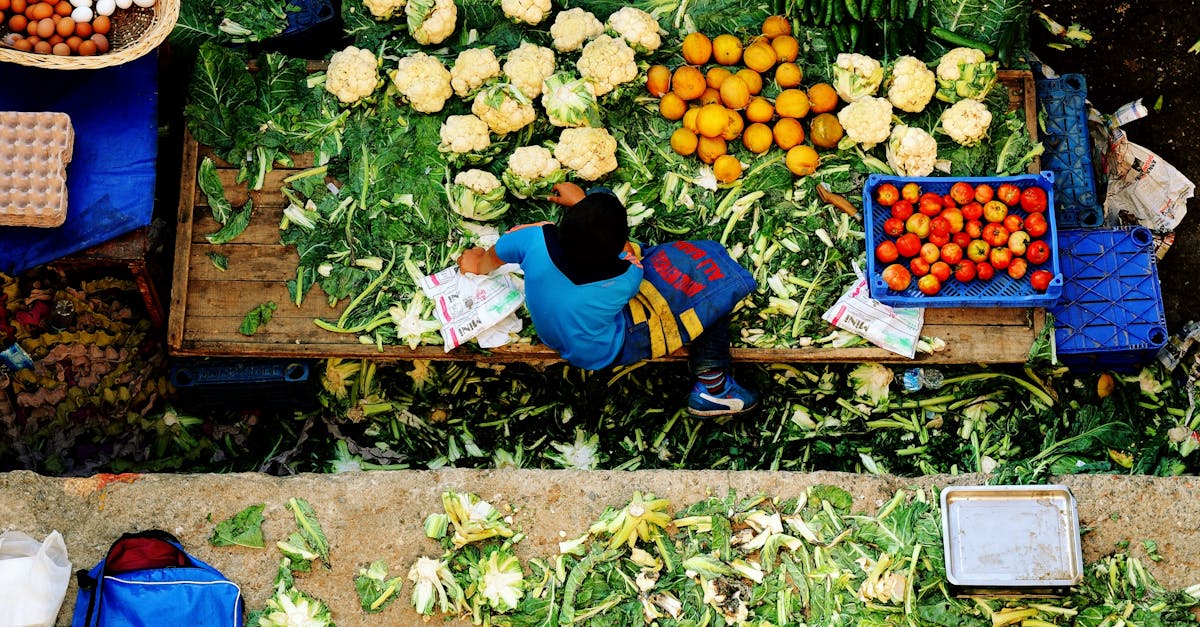
In the late 1980s, as the first McDonald's opened near the Spanish Steps in Rome, a group of passionate Italians led by Carlo Petrini felt compelled to defend their culinary heritage against the rising tide of fast food culture. This pivotal moment sparked the birth of the Slow Food movement, which was founded not merely as a protest but as a proactive celebration of local traditions, biodiversity, and the joy of shared meals. The philosophy quickly evolved into a global network dedicated to preserving endangered ingredients and traditional farming methods, arguing that good, clean, and fair food is a fundamental human right that connects us to our land and our history.
Today, this movement has deeply influenced how we experience Italy, transforming the concept of dining from a quick necessity into a deliberate journey through time and terroir. By championing small-scale producers and heirloom varieties, Slow Food encourages travelers to seek out authentic flavors directly at the source, whether it is tasting ancient olive oils in Tuscany or savoring wild boar ragù in the hills of Umbria. It serves as a reminder that every dish tells a story of the soil it grew in and the hands that tended it, inviting visitors to slow down, savor each bite, and become active participants in sustaining Italy's rich agricultural legacy.
 This photo was taken by Altaf Shah on Pexels.
Regional Treasures: How Geography Shapes Italy's Local Cuisine
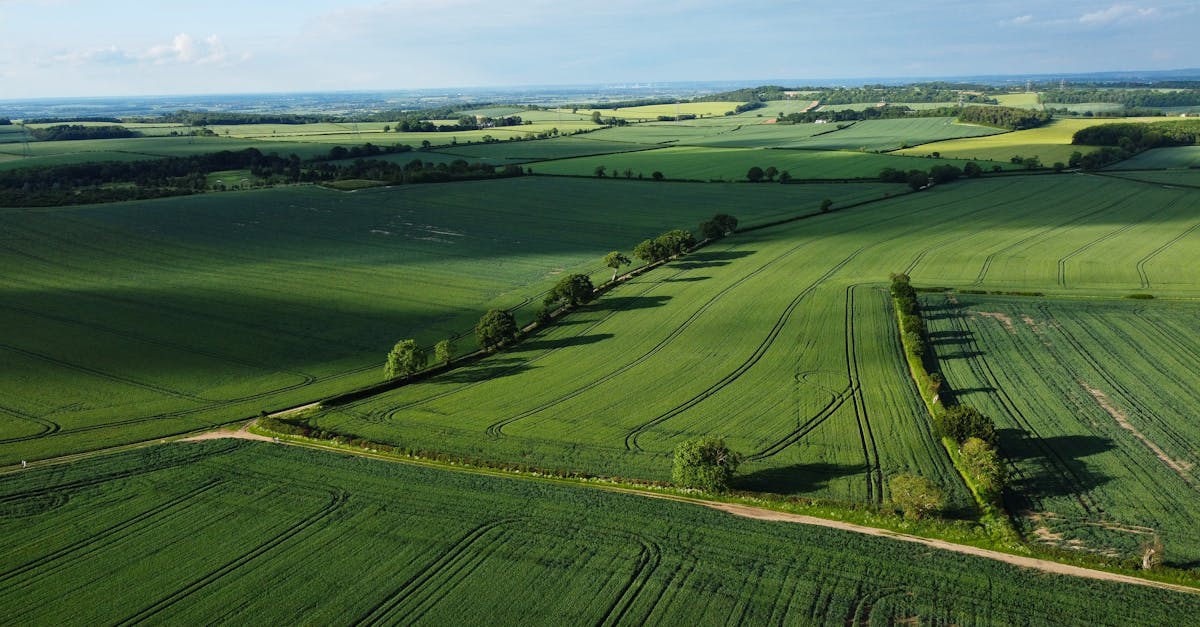
Italy's culinary landscape is a direct reflection of its dramatic geography, where the jagged peaks of the Alps in the north give way to sun-drenched volcanic slopes in the south. In the rugged Dolomites, the cuisine relies heavily on hearty mountain fare like polenta and game meats, born from a necessity to withstand harsh winters and thrive on limited arable land. Conversely, the rolling hills of Tuscany and the coastal plains of Puglia offer abundant olive groves and vineyards, fostering a diet rich in extra virgin olive oil, fresh tomatoes, and delicate pasta dishes that have been perfected over centuries of Mediterranean sunshine.
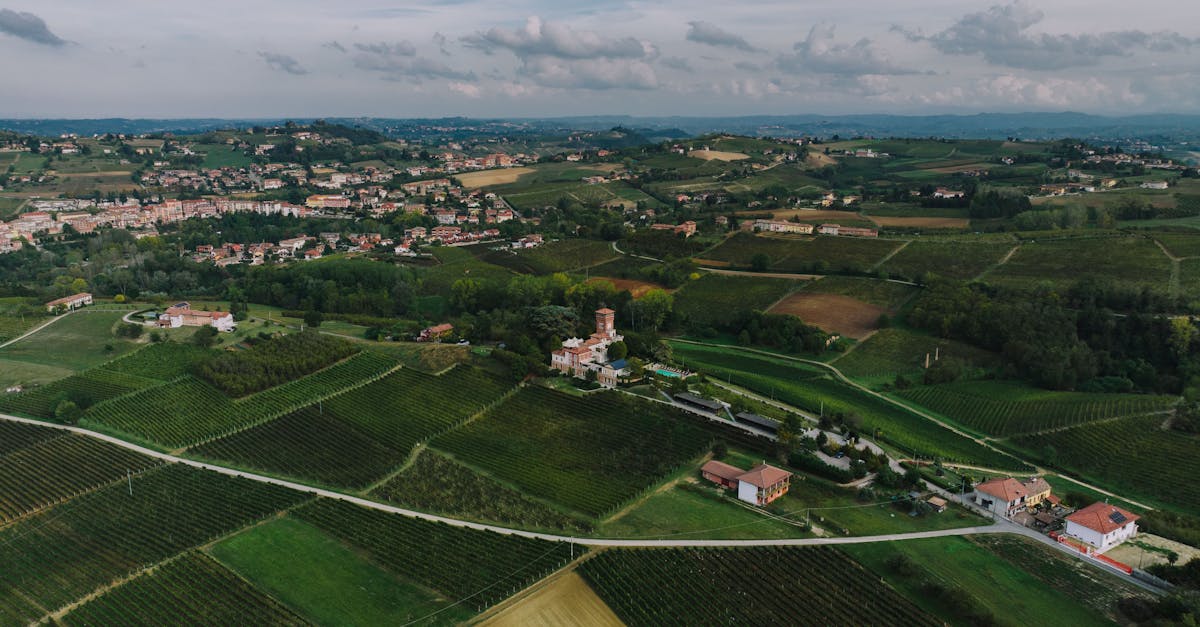
This intimate connection between terrain and table is the heartbeat of the Slow Food Movement, which champions ingredients that are not only locally sourced but also intrinsically tied to their specific terroir. From the saffron harvested in the fields of L'Aquila to the unique citrus fruits grown on the cliffs of the Amalfi Coast, every region boasts produce that cannot be replicated elsewhere. By prioritizing these indigenous treasures, Italian chefs and farmers preserve biodiversity and cultural heritage, ensuring that each bite tells a story of the land it came from and honors the ancient traditions of those who cultivated it.
 This photo was taken by K on Pexels.
Beyond the Plate: Preserving Culture and Community Through Ingredients
The Slow Food Movement in Italy is far more than a culinary trend; it is a profound philosophy that views every ingredient as a living link to history, landscape, and community. By championing "presidia" projects, local farmers and artisans work tirelessly to protect endangered heirloom varieties of cheese, olive oil, and vegetables from the homogenizing forces of industrial agriculture. This dedication ensures that the distinct flavors of regions like Piedmont or Sicily remain authentic, preserving not just recipes but the intricate web of relationships between the soil, the producer, and the diner.
Engaging with these ingredients transforms a simple meal into an act of cultural preservation, inviting visitors to understand the stories behind the food they consume. When tourists participate in harvest festivals or visit family-run farms, they become active participants in safeguarding traditions that have sustained Italian communities for generations. Ultimately, this movement teaches us that protecting biodiversity and supporting local economies are essential steps in maintaining the vibrant social fabric that makes Italy such a unique and enduring destination.
 This photo was taken by Luiz Henrique Mendes on Pexels.