The Secret Life of Italian Markets: What to Buy and Where to Eat
 This photo was taken by Jean-Paul Wettstein on Pexels.
Welcome to the beating heart of Italy, where the true soul of our culture isn't found in the quiet corners of museums, but in the vibrant, chaotic symphony of our daily markets. From the sun-drenched stalls of Palermo's Vucciria to the bustling, aromatic alleys of Rome's Campo de' Fiori, these are not merely places to purchase goods; they are living theaters of tradition, community, and unparalleled flavor. In this guide, we will pull back the curtain on the secret life of Italian markets, revealing the hidden gems of seasonal produce that define our cuisine, uncovering the street food secrets where locals actually gather for a quick bite, and sharing the unwritten rules of market etiquette so you can shop with the confidence of a true native. Get ready to lose yourself in the colors, smells, and tastes that make Italy unforgettable.
Hidden Gems: The Best Local Produce to Buy
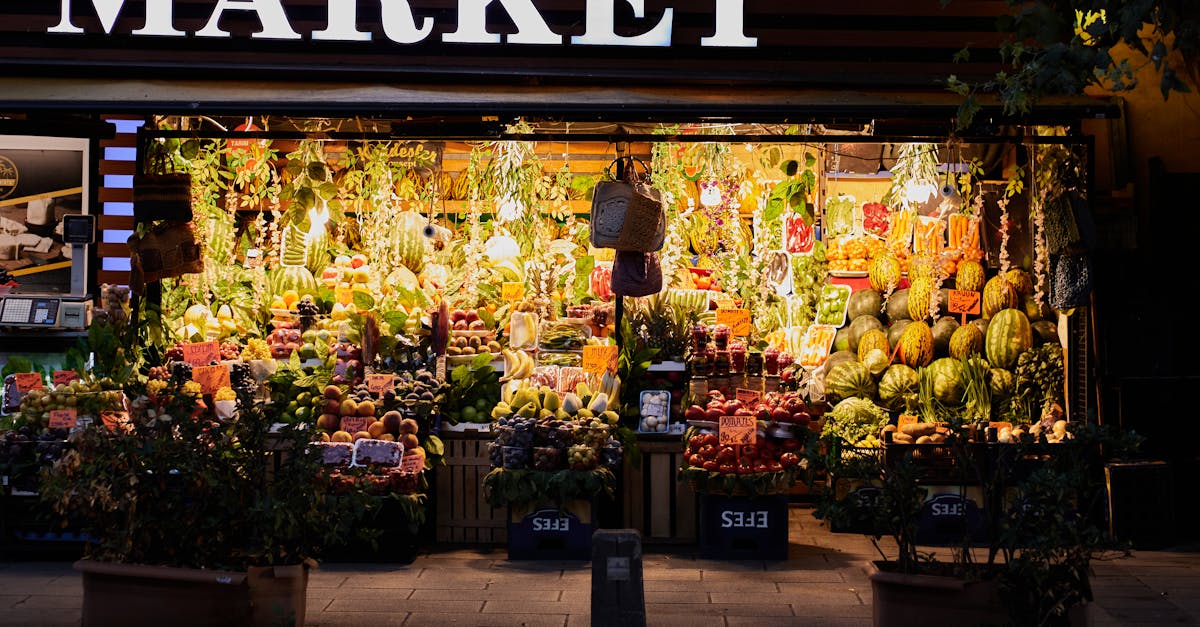
While the bustling tourist traps offer familiar trinkets, the true soul of Italian cuisine lies in the vibrant local markets where vendors have passed down their trade for generations. In Rome's Campo de' Fiori or Milan's Mercato di Porta Vittoria, you will find artisanal cheeses like the creamy, nutty Taleggio from Lombardy or the sharp, aged Pecorino Toscano that simply cannot be replicated abroad. Don't miss the opportunity to taste the sweet, sun-drenched tomatoes of the Cilento region or the delicate, earthy porcini mushrooms foraged from the Tuscan hills, often sold in woven baskets by farmers who are proud to share the story behind their harvest.
To truly experience these flavors, look beyond the packaged goods and seek out the small stalls selling fresh, seasonal produce at its peak ripeness. In Naples, visit the historic Mercato di Pignasecca to discover the legendary San Marzano tomatoes, prized for their low acidity and perfect sweetness, alongside piles of bright purple eggplants and fragrant basil that define the authentic Neapolitan pizza. Whether you are browsing the citrus groves in Sicily or picking up jars of honey infused with wild mountain herbs in the Dolomites, buying directly from the source not only supports local families but ensures that every bite you take carries the distinct terroir of Italy's diverse landscapes.
This photo was taken by Jean-Paul Wettstein on Pexels.
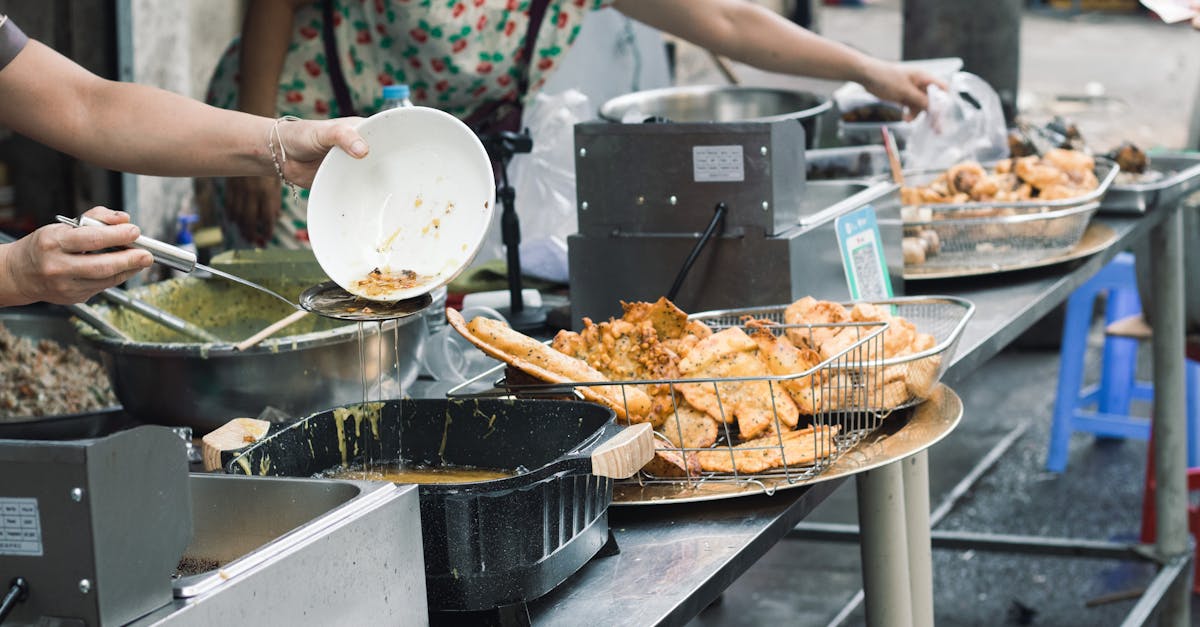
Street Food Secrets: Where Locals Actually Eat
 This photo was taken by Nimit N on Pexels.
Market Etiquette: How to Shop Like a Native
Navigating an Italian market requires a delicate balance of enthusiasm and respect for the local rhythm, where the art of bargaining is often replaced by the ritual of conversation. Unlike in many other cultures, haggling over the price of fresh produce or artisanal goods is generally frowned upon unless you are at a flea market; instead, natives engage with vendors through genuine interest, asking about the origin of their tomatoes or the story behind their handmade ceramics. It is customary to greet everyone with a polite "Buongiorno" or "Buonasera" before making any purchase, and while it may seem counterintuitive, maintaining a respectful distance while others browse is considered good manners. Remember that cash is still king in these bustling stalls, so carrying small bills ensures you can complete your transactions swiftly without causing delays for the next customer in line.
When it comes to sampling street food or grabbing a quick bite at a market stall, timing and posture play a crucial role in blending in with the locals. Italians rarely stand around eating; if you purchase a panino or arancini, you should either find a designated standing area or take your food to go, rather than lingering aimlessly on the pavement. If you choose to sit at a nearby café to enjoy your meal, be prepared for the expectation of ordering something more substantial than just your snack, such as a coffee or a glass of wine, as this supports the establishment's business model. Furthermore, tipping is not mandatory in Italy, and leaving a few coins on the table after a small purchase is a generous gesture but never expected, allowing you to enjoy the authentic experience without worrying about complex social obligations.
 This photo was taken by Eyüpcan Timur on Pexels.