The Romanesque and Gothic Treasures of Northern Italy's Cathedral Cities
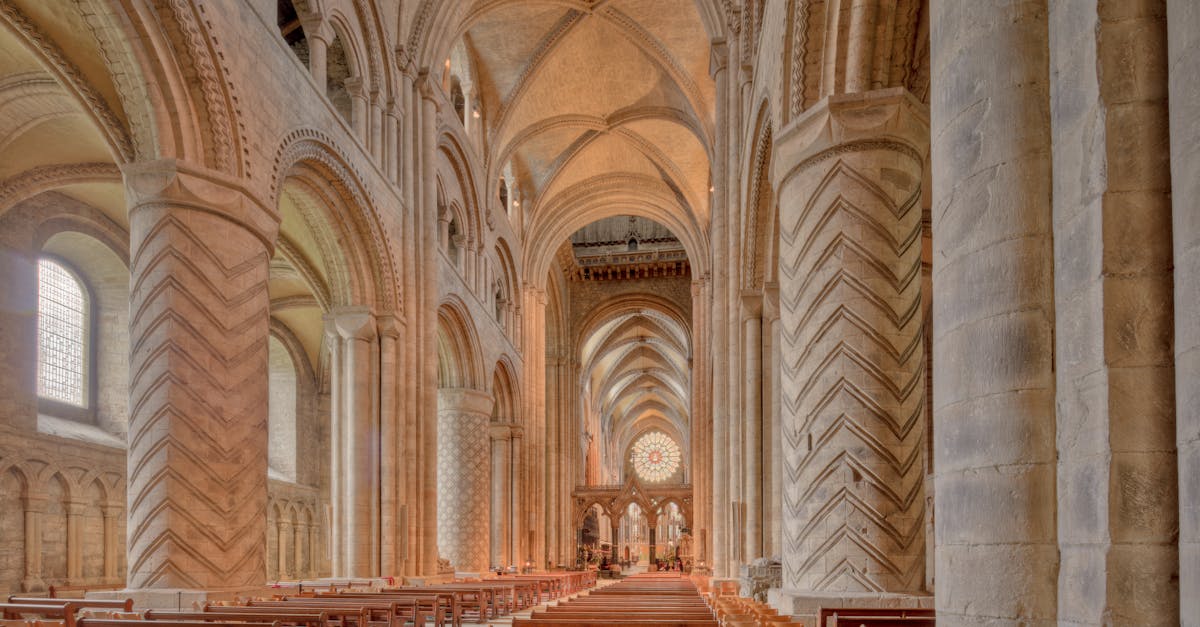 This photo was taken by Michael D Beckwith on Pexels.
Benvenuti in Italia, dove the sky meets stone and centuries of devotion are etched into every arch and spire. As you wander through the historic heart of Northern Italy, you will discover a landscape where the heavy, grounded majesty of Romanesque architecture seamlessly transitions into the ethereal lightness of Gothic grandeur. From the fortified strength of Lombard basilicas to the soaring ribbed vaults that pierce the clouds above Milan and Siena, our cathedral cities offer more than just religious sites; they are open-air museums of human ingenuity and faith. Join me on this immersive journey as we decode the secrets hidden within these sacred walls, explore the breathtaking facades that have stood the test of time, and uncover the medieval treasures waiting to be discovered behind the scenes of Italy's most magnificent Duomos.
A Journey Through Stone: Decoding Northern Italy's Romanesque Masterpieces
As you wander through the cobblestone streets of cities like Parma, Modena, and Piacenza, you are not merely walking on ancient pavement but stepping into a living museum where stone tells the story of faith and civic pride. The Romanesque architecture here is characterized by its robust grandeur, featuring thick walls, rounded arches, and the iconic red brickwork that defines the Lombard style. Look closely at the intricate facades of the Duomo di Modena or the Baptistery in Parma, where sculptors carved biblical narratives into every column and capital, turning cold limestone into a vibrant tapestry of saints, demons, and daily medieval life that invites endless contemplation.
While these structures stand as testaments to the region's medieval resilience, they also serve as the perfect prelude to the soaring elegance of the Gothic era that would soon follow. In Northern Italy, the transition from the heavy, earthbound Romanesque forms to the light-filled verticality of Gothic cathedrals creates a unique architectural dialogue rarely seen elsewhere. By tracing this evolution within a single city, such as seeing how the Basilica of San Zeno in Verona blends both styles, visitors can truly decode the artistic spirit of an age that sought to bridge the gap between earthly strength and divine aspiration, making every visit a profound journey through time and stone.
 This photo was taken by K on Pexels.
Soaring to the Sky: The Gothic Cathedrals of Milan, Siena, and Bologna
Northern Italy's cathedral cities offer a breathtaking journey through the evolution of Gothic architecture, where stone seems to defy gravity in a symphony of light and shadow. In Milan, the Duomo stands as a monumental testament to this style, its intricate façade adorned with thousands of statues and soaring spires that pierce the sky like a forest of marble needles. Travelers who venture into Siena will find a different kind of ethereal beauty within the Cathedral of Santa Maria Assunta, where the striped black-and-white marble exterior contrasts with an interior floor paved with masterpieces of inlaid art, while the nearby Basilica di San Domenico in Bologna reveals the raw, vertical elegance of early Gothic design, inviting visitors to look up at vaulted ceilings that seem to dissolve into the heavens.
Exploring these sacred spaces is not merely an architectural tour but a spiritual ascent, as each city interprets the Gothic ideal through its unique regional lens. The interplay of stained glass in Siena floods the nave with kaleidoscopic hues that tell biblical stories to the faithful, while the sheer scale of Milan's central transept creates an overwhelming sense of awe that has captivated pilgrims for centuries. Even in Bologna, where the twin towers dominate the skyline alongside the modest yet profound Basilica of San Petronio, the Gothic spirit persists in the detailed tracery and the ambitious aspirations of the builders who sought to bring the divine closer to the earth. These cathedrals remain the beating hearts of their respective cities, continuing to inspire wonder and reverence in all who dare to soar to the sky beneath their majestic domes and arches.
 This photo was taken by Caique Araujo on Pexels.
Beyond the Facade: Hidden Artifacts and Medieval Secrets Within the Duomos
While the soaring spires and intricate marble facades of Northern Italy's cathedrals often command the initial gaze, the true narrative unfolds within their shadowed naves, where time seems to suspend itself amidst a labyrinth of Romanesque arches and Gothic vaults. Beyond the polished grandeur lies a sanctuary of hidden artifacts, such as the fragile frescoes by Giotto in Padua that whisper stories of medieval devotion, or the crypts beneath Parma Cathedral where ancient sarcophagi rest in silence. These sacred spaces conceal centuries-old secrets, from Byzantine mosaics shimmering in dim light to the subtle architectural anomalies that reveal how master builders manipulated stone to create an ethereal connection between earth and heaven.
Delving deeper into these monumental structures unveils a treasure trove of lesser-known treasures, including the ornate bronze doors of Pisa that depict biblical epics with startling detail, or the intricate wooden choir stalls in Verona that hide carved figures of local saints and mythical beasts. Each cathedral serves as a living museum where the layers of history are not merely displayed but felt through the cool touch of limestone and the echo of chants that once filled these vast halls. For the discerning traveler, exploring these internal sanctuaries offers a profound encounter with the spiritual and artistic fervor of the Middle Ages, transforming a simple visit into a journey through the very heart of Northern Italy's cultural soul.
 This photo was taken by Elena Umyskova on Pexels.