The Roman Empire Unveiled: A History Buff's Guide to Ancient Ruins
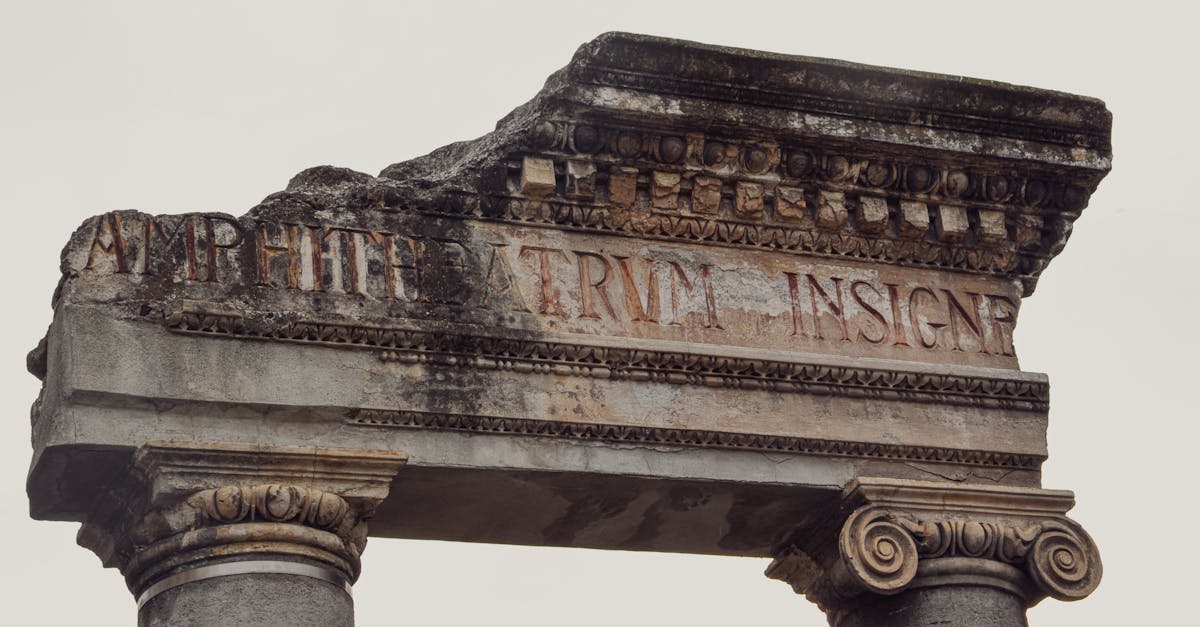 This photo was taken by Anton Ivanov on Pexels.
Benvenuti in Italia, where the very stones beneath your feet whisper tales of an empire that once ruled the known world. As a history enthusiast stepping onto Italian soil, you are not merely visiting ruins; you are walking through a living museum where the grandeur of antiquity remains remarkably intact. From the thunderous echoes of gladiatorial combat to the quiet elegance of imperial villas buried in ash, this journey invites you to peel back the layers of time and discover the secrets hidden within marble and mortar. Whether you stand amidst the towering arches of the Colosseum or wander through the preserved streets of Pompeii, prepare to be transported back to the height of Roman power in our exclusive guide to ancient wonders.
This photo was taken by Anton Ivanov on Pexels.
Benvenuti in Italia, where the very stones beneath your feet whisper tales of an empire that once ruled the known world. As a history enthusiast stepping onto Italian soil, you are not merely visiting ruins; you are walking through a living museum where the grandeur of antiquity remains remarkably intact. From the thunderous echoes of gladiatorial combat to the quiet elegance of imperial villas buried in ash, this journey invites you to peel back the layers of time and discover the secrets hidden within marble and mortar. Whether you stand amidst the towering arches of the Colosseum or wander through the preserved streets of Pompeii, prepare to be transported back to the height of Roman power in our exclusive guide to ancient wonders.
Walking Through Time: The Colosseum and the Roman Forum
Stepping onto the sun-baked grounds of the Colosseum is akin to pressing pause on history, allowing you to stand where over 50,000 spectators once roared in anticipation of gladiatorial combat and naval battles. As you trace the weathered travertine stones of the amphitheater's massive arches, imagine the electric atmosphere of ancient Rome at its zenith, a testament to engineering prowess that still dominates the skyline today. Just beyond this iconic structure lies the Roman Forum, the pulsating heart of the empire where politics, religion, and commerce intertwined; here, the ruins of the Temple of Saturn and the Rostra offer a silent but profound narrative of the Republic's rise and fall, inviting you to walk the very paths taken by Julius Caesar and Cicero.
For the history enthusiast, this journey through time offers more than just picturesque backdrops; it provides an immersive connection to the daily lives and grand ambitions of our ancestors. The juxtaposition of the Colosseum's imposing scale against the fragmented yet intimate streets of the Forum creates a unique dialogue between public spectacle and civic life, revealing how deeply the foundations of modern Western society are rooted in these ancient stones. As you wander among the scattered columns and reconstructed basilicas, let your imagination fill in the gaps, transforming the quiet ruins into a vibrant stage where the drama of the Roman Empire unfolded for centuries, leaving behind a legacy that continues to captivate visitors from every corner of the globe.
 This photo was taken by Erik Mclean on Pexels.
Hidden Gems: Exploring the Palatine Hill and Domus Augustana
While the Colosseum draws the crowds, a short walk through the lush gardens of the Palatine Hill reveals the true heart of imperial power: the Domus Augustana. As you ascend the steep path to this former residence of Emperor Augustus and his successors, imagine the opulent corridors where emperors once held court, surrounded by frescoes that have miraculously survived centuries beneath the earth. The sheer scale of the complex is staggering, with multi-level terraces overlooking the Circus Maximus, offering a breathtaking perspective on how the rulers of Rome viewed their city as their personal domain. Here, amidst the crumbling arches and overgrown cypress trees, you can trace the footsteps of Caesars and feel the weight of history in a way that no museum exhibit ever could.What makes this site particularly enchanting for the discerning traveler is the sense of discovery found in its quieter corners, far removed from the bustle of the Forum below. As you explore the excavated sections of the Domus, look closely at the intricate mosaic floors depicting sea creatures and mythological scenes, which once shimmered under the light of oil lamps in grand dining halls. Guided tours often reveal fascinating anecdotes about daily life within these walls, from the sophisticated plumbing systems that brought fresh water to the palace fountains to the secret passages used for private escapes. It is here, in the shadow of ancient stone giants, that the narrative of the Roman Empire shifts from broad military conquests to the intimate, human stories of those who lived at its very center.
This photo was taken by Erik Mclean on Pexels.
Beyond Rome: A Journey to Pompeii and Herculaneum
While the Colosseum and Forum often steal the spotlight in Rome, a short journey south along the coast reveals the Roman Empire's most hauntingly preserved secrets: Pompeii and Herculaneum. These two cities were not merely lost to history but were frozen in time by the catastrophic eruption of Mount Vesuvius in 79 AD, offering an unparalleled window into daily life during the height of imperial power. In Pompeii, you can wander through the same streets where merchants once shouted their wares, tracing the footprints of ancient residents on the worn stone and marveling at the vibrant frescoes that still adorn private homes, while Herculaneum, buried under meters of volcanic ash, provides a more intimate glimpse with its remarkably intact wooden beams and intricate mosaics that have survived centuries of neglect.Exploring these archaeological wonders is akin to stepping back two millennia, transforming abstract historical facts into tangible reality for any history enthusiast. As you navigate the ruins, imagine the bustling marketplaces, the thermal baths, and the lively theaters that once thrived here, only to be silenced instantly by nature's fury. The emotional impact of standing amidst the plaster casts of those who perished, or walking through the quiet, darkened streets of Herculaneum's elite villas, creates a profound connection to the past that few other sites can match. This excursion beyond the Eternal City is not just a tour of old stones; it is a deeply moving pilgrimage that brings the grandeur and fragility of the Roman world vividly to life.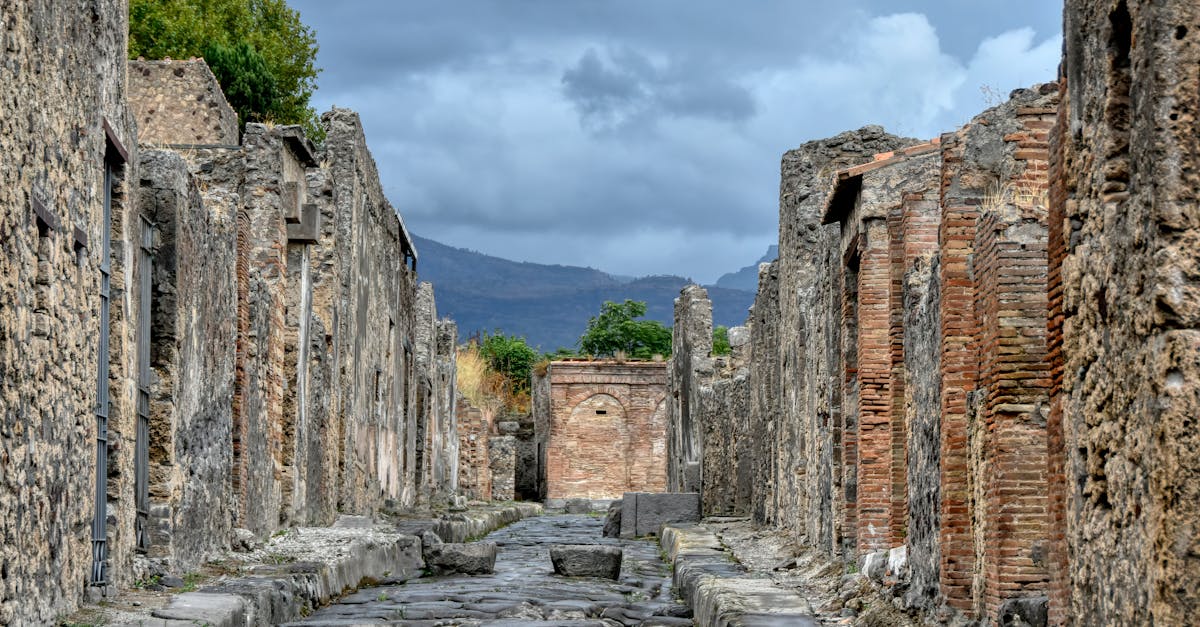 This photo was taken by Marc Peeters on Pexels.