The Renaissance Trail: Following Art History Through Central Italy
 This photo was taken by Jean-Paul Wettstein on Pexels.
Welcome to the beating heart of Italian culture, where every cobblestone and fresco tells a story of human potential and artistic revolution. As your guide through the Eternal City's golden age, I invite you to embark on "The Renaissance Trail," a journey that weaves through Central Italy to uncover the very birthplace of modern art. From the breathtaking masterpieces in Florence, known affectionately as the Cradle of the Renaissance, to the lesser-known yet equally captivating hidden treasures tucked away in Siena and Perugia, this path offers an intimate look at history in motion. Finally, we will arrive in Rome, a majestic city where the grandeur of classical antiquity seamlessly merged with Renaissance glory to create a timeless legacy. Get ready to step back in time and explore the genius that shaped our world.
Florence: The Cradle of the Renaissance
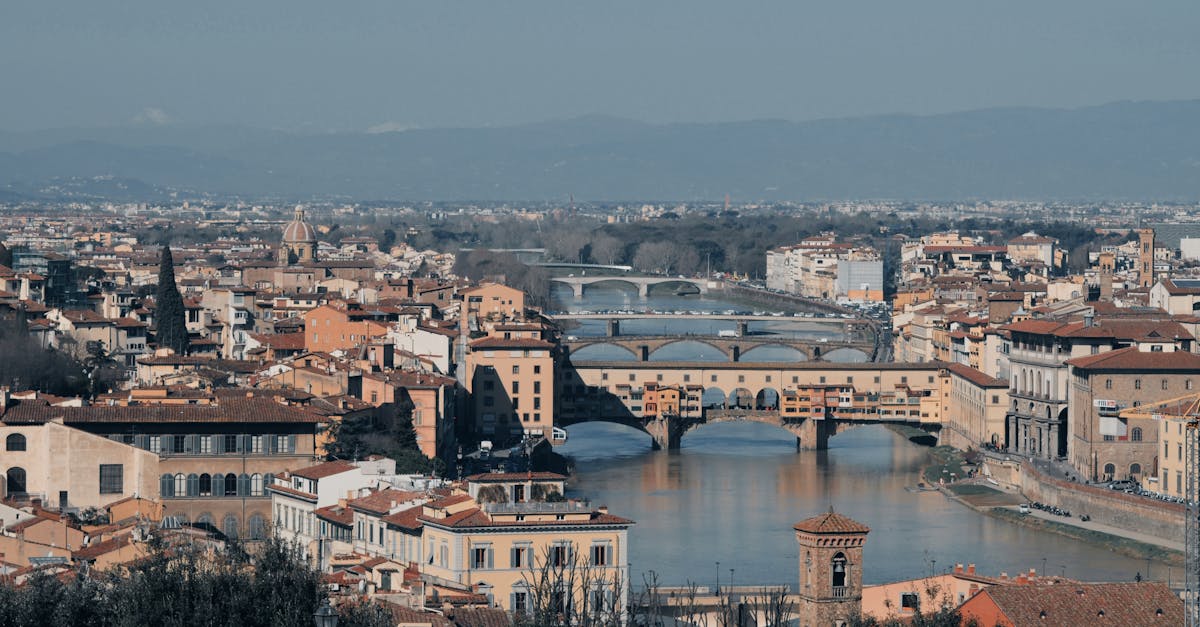
Stepping into Florence feels like walking through an open-air museum where every corner whispers the name of a master, from Brunelleschi's dome to Michelangelo's David. As the true cradle of the Renaissance, this Tuscan city offers an immersive journey into a golden age where art, science, and humanism converged under the patronage of the Medici family. Wander along the cobblestones of the Oltrarno district or gaze up at the intricate frescoes within the Uffizi Gallery, and you will witness how artists dared to break from medieval traditions to celebrate the beauty of the natural world and the potential of the human spirit.
The city's architectural harmony and artistic legacy are not merely relics of the past but living influences that still define its vibrant atmosphere today. Whether you are sketching by the Arno River as the sun sets behind Ponte Vecchio or exploring the quiet grandeur of the Boboli Gardens, Florence invites you to trace the footsteps of history while experiencing the timeless elegance that made it the heart of Central Italy's cultural renaissance.
 This photo was taken by Hub JACQU on Pexels.
Siena and Perugia: Hidden Treasures of Central Art
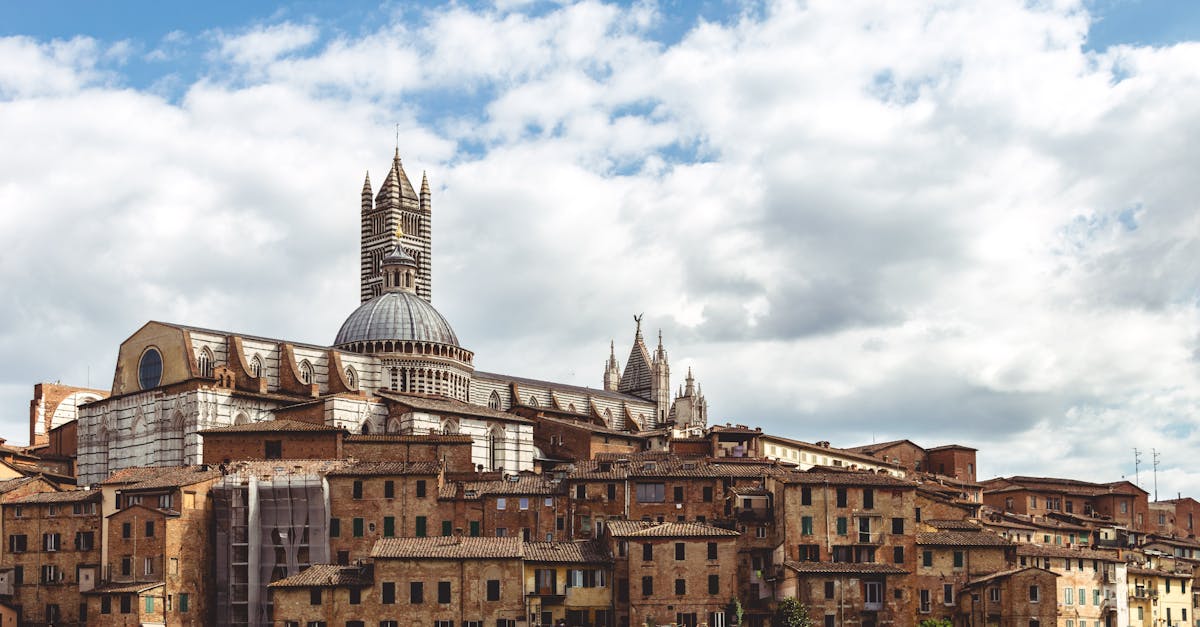
Nestled in the rolling hills of Tuscany, Siena offers a mesmerizing departure from the grandeur of Florence, preserving its medieval soul with an intensity that feels almost timeless. The city's heart beats within the Piazza del Campo, a shell-shaped square where the famous Palio horse race still echoes centuries of tradition, while the breathtaking Duomo stands as a masterpiece of Gothic architecture adorned with intricate marble inlays and frescoes by Duccio and Lorenzetti. Unlike the rigid symmetry often found elsewhere, Siena's art is deeply intertwined with its civic identity, inviting visitors to wander narrow, winding streets where every corner reveals a hidden chapel or a frescoed palace that whispers stories of the Sienese School, a distinct artistic movement that prioritized spiritual emotion over classical rationality.
Just across the Apennines in Umbria, Perugia presents another jewel of Central Italy, blending Etruscan roots with Renaissance elegance in a setting that feels both intimate and majestic. This hilltop city is home to the Palazzo dei Priori, which houses the National Gallery of Umbria, a treasure trove featuring works by Perugino, Raphael, and Pinturicchio that showcase the region's pivotal role in the evolution of Italian painting. Here, the light seems to dance differently upon the stone facades, illuminating the vibrant colors of local traditions and the quiet dignity of its churches, such as the Basilica di San Pietro, where the blend of architectural styles tells a continuous story of faith and artistic innovation. A visit to Perugia completes the journey through this artistic corridor, proving that some of the most profound cultural experiences lie not just in the famous capitals, but in these serene, overlooked sanctuaries of creativity.
 This photo was taken by Lorenc Memaga on Pexels.
Rome: Where Classical Roots Met Renaissance Glory
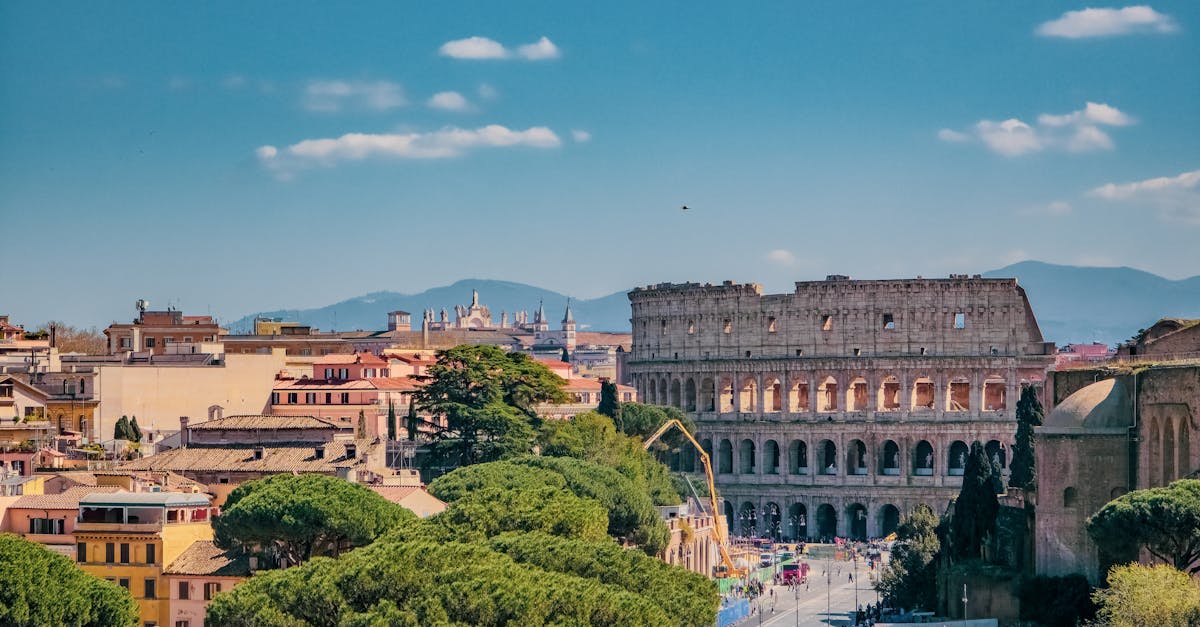
Rome stands as the undeniable heart of Italy's artistic evolution, where the marble grandeur of ancient Rome seamlessly intertwines with the vibrant rebirth of the Renaissance. As you wander through the cobblestone streets, the shadow of the Colosseum and the Pantheon provides a majestic backdrop to the masterpieces that define this era, creating a unique dialogue between antiquity and modernity. The city did not merely preserve its classical heritage; it reimagined it, with architects like Bramante and artists like Raphael drawing inspiration from Roman ruins to craft structures and frescoes that celebrate human potential and divine beauty in equal measure.
Immerse yourself in the breathtaking splendor of the Vatican Museums and St. Peter's Basilica, where Michelangelo's Sistine Chapel ceiling transforms the very sky into a canvas of theological narrative and anatomical perfection. Walking through these sacred halls, one feels the palpable energy of the High Renaissance, a period when Rome became the undisputed capital of art, attracting genius minds from across Europe. Every corner of the Eternal City whispers stories of patronage, ambition, and creativity, inviting travelers to trace the footsteps of history while marveling at how the glory of the past was elevated into an enduring legacy of Renaissance triumph.
 This photo was taken by Paolo Bici on Pexels.