The History Behind the Pizza: A Deep Dive into Neapolitan Cuisine
 This photo was taken by Erik Mclean on Pexels.
Benvenuti nel cuore pulsante della Campania! If you've ever taken a bite of a perfect slice from Naples, you know that pizza is far more than just a quick meal; it is a living piece of history wrapped in dough and topped with the sun-ripened tomatoes of Vesuvius. In this post, we embark on a culinary journey to uncover the fascinating story behind the world's most beloved dish, tracing its evolution from humble street food served to the working class to a royal delicacy cherished by kings. We will explore the mystical San Gennaro legends that fueled its creation, examine how strict D.O.P. regulations now protect its authentic soul, and discover why Neapolitan cuisine remains an irreplaceable treasure for travelers seeking the true taste of Italy. Prepare your appetite as we dive deep into the origins of this global icon.
This photo was taken by Erik Mclean on Pexels.
Benvenuti nel cuore pulsante della Campania! If you've ever taken a bite of a perfect slice from Naples, you know that pizza is far more than just a quick meal; it is a living piece of history wrapped in dough and topped with the sun-ripened tomatoes of Vesuvius. In this post, we embark on a culinary journey to uncover the fascinating story behind the world's most beloved dish, tracing its evolution from humble street food served to the working class to a royal delicacy cherished by kings. We will explore the mystical San Gennaro legends that fueled its creation, examine how strict D.O.P. regulations now protect its authentic soul, and discover why Neapolitan cuisine remains an irreplaceable treasure for travelers seeking the true taste of Italy. Prepare your appetite as we dive deep into the origins of this global icon.
The Royal Origins: From Street Food to a Global Icon
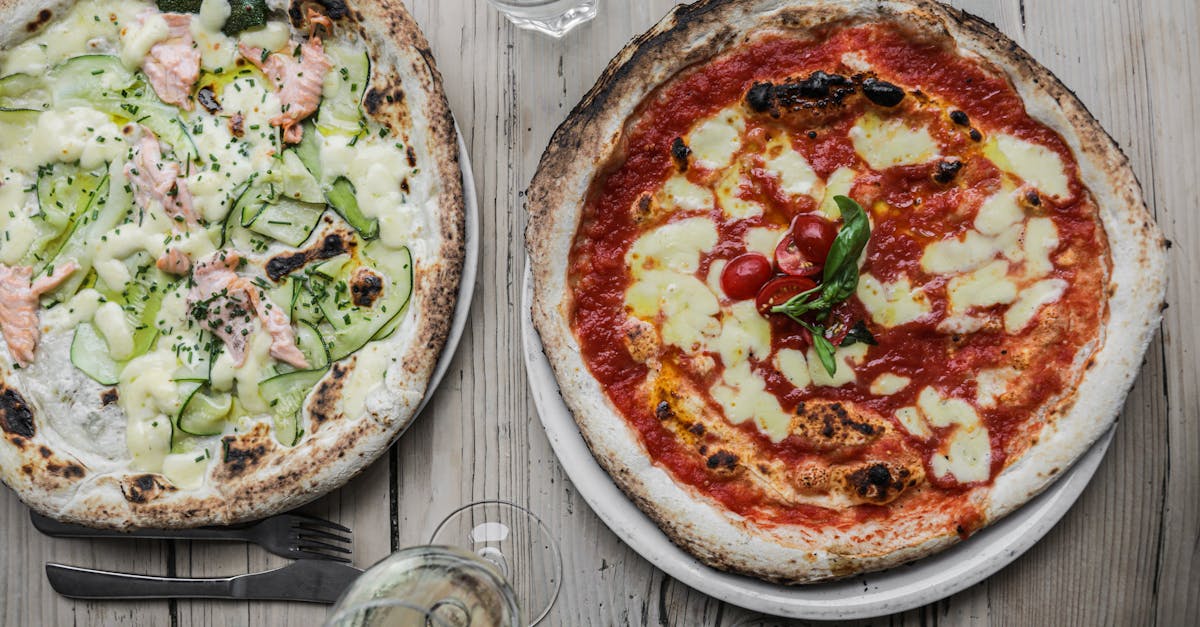
While pizza is now synonymous with global fast food, its humble beginnings in Naples were deeply rooted in the daily lives of the working class and the city's royal courts. Originally known as "pizza," these flatbreads topped with lard, cheese, and herbs were a staple for the poor, sold by street vendors to feed laborers quickly and affordably. However, the dish underwent a transformative moment in 1889 when Queen Margherita of Savoy visited Naples; her chef, Raffaele Esposito, created a special pie featuring tomatoes, mozzarella, and fresh basil to honor the colors of the Italian flag. This culinary tribute not only won the Queen's heart but also elevated the street snack into a symbol of national pride, marking the transition from simple sustenance to a refined gastronomic icon.
This royal endorsement sparked a cultural shift that turned Neapolitan pizza into a celebrated art form, eventually spreading across the Mediterranean and beyond. The strict tradition of using San Marzano tomatoes, buffalo mozzarella, and wood-fired ovens was preserved even as the pizza conquered international palates, evolving from a local specialty into a worldwide phenomenon. Today, the authentic Neapolitan style remains protected by the European Union's Traditional Speciality Guaranteed status, ensuring that the legacy begun on the streets of Naples and solidified by royalty continues to be honored in pizzerias around the globe, proving that sometimes the greatest culinary masterpieces start with the simplest ingredients.
 This photo was taken by Matej on Pexels.
The San Gennaro Legend and the Birth of Modern Pizza
Deep within the heart of Naples, the story of pizza is inextricably linked to the veneration of San Gennaro, the city's patron saint whose miraculous blood liquefaction has been celebrated for centuries. Legend holds that during a time of great famine and plague, the locals made a solemn vow to bake flatbreads topped with local ingredients as an offering to the saint for their deliverance; miraculously, these simple pies were said to sustain the populace until the crisis passed. This sacred tradition evolved from humble street food into a culinary symbol of Neapolitan identity, where the act of sharing a pie became a communal ritual honoring divine protection, laying the spiritual groundwork for what would eventually become one of the world's most beloved dishes.
While the religious roots provided the cultural soil, it was the practical needs of the 18th-century working class that truly birthed modern pizza as we know it today. In the crowded, impoverished neighborhoods surrounding the historic center, vendors began selling affordable, quick meals on the go, utilizing the abundant tomatoes brought from the Americas and fresh mozzarella di bufala from the nearby Campania region. The legend of the Margherita, created in 1889 by pizzaiolo Raffaele Esposito to honor Queen Margherita of Savoy, cemented this evolution by elevating the street snack into a national icon, perfectly blending the red of tomato, the white of mozzarella, and the green of basil to mirror the Italian flag, thus transforming a local legend into a global gastronomic phenomenon.
 This photo was taken by Cup of Couple on Pexels.
D.O.P. Status: Preserving Tradition in Naples Today
In the heart of Naples, the art of pizza-making is not merely a culinary practice but a living heritage meticulously protected by D.O.P. (Denominazione di Origine Protetta) status, a designation that guarantees the authenticity and quality of Neapolitan pizza worldwide. Established in 1984 and reinforced by strict European regulations, this prestigious label ensures that every pie bears the distinctive characteristics of its origin: a soft, elastic dough made from specific wheat varieties, San Marzano tomatoes cultivated in the volcanic soils of the Sarno valley, buffalo mozzarella from Campania, and extra virgin olive oil, all assembled with traditional techniques passed down through generations. For visitors, seeking out pizzerias proudly displaying the official D.O.P. seal means experiencing a dish that adheres to centuries-old protocols, where the wood-fired oven reaches temperatures exceeding 485°C for just 60 to 90 seconds, creating the signature "leopard spotting" on the crust while maintaining the delicate balance of flavors that define true Neapolitan cuisine.
Today, this regulatory framework serves as a vital bridge between history and modernity, safeguarding the culture of Naples against the dilution often caused by global commercialization. The D.O.P. status empowers local artisans to maintain their craft with pride, ensuring that the rigorous standards of ingredient sourcing and preparation methods are respected even as tourism booms in the city. By dining at an authorized establishment, tourists do more than enjoy a delicious meal; they actively participate in the preservation of an intangible cultural treasure recognized by UNESCO, supporting a community that views pizza as a symbol of identity rather than just fast food. This commitment to tradition allows the timeless taste of Naples to remain unchanged, offering travelers an authentic glimpse into the soul of Italian gastronomy where every bite tells a story of resilience, passion, and unbroken continuity.
 This photo was taken by Jean-Paul Wettstein on Pexels.