The History Behind the Colosseum: A Deep Dive into Ancient Rome
 This photo was taken by Matej on Pexels.
From Amphitheater to Arena: The Construction and Purpose
The construction of the Colosseum, originally known as the Flavian Amphitheatre, stands as a monumental testament to Roman engineering prowess and imperial ambition. Initiated by Emperor Vespasian around 70 AD on the site of Nero's artificial lake, this massive structure was completed by his son Titus in 80 AD, employing a staggering workforce of slave laborers and skilled artisans over eight years. The architects utilized a sophisticated system of concrete arches and vaults, allowing for a multi-tiered seating capacity that could accommodate up to 50,000 spectators while maintaining structural integrity against earthquakes and heavy usage. Its elliptical design was not merely aesthetic but functional, facilitating efficient crowd control through a complex network of vomitoria (exit passages) that allowed the entire arena to be emptied or filled within minutes.
Purposefully designed as the ultimate venue for public spectacle, the Colosseum served as a crucial tool for social cohesion and political propaganda, offering the Roman populace "bread and circuses" to maintain order and demonstrate the Empire's dominance. Inside its sand-covered floor, known as the harena, gladiatorial combats, wild animal hunts (venationes), and even mock naval battles were staged, showcasing the vast reach of Rome's territories through exotic fauna captured from distant lands. Beyond the bloodshed, the arena hosted elaborate mythological reenactments and executions, reinforcing social hierarchies where seating arrangements strictly dictated one's status in society, ensuring that every spectator knew their place while witnessing the grandeur and power of the Roman state.
 This photo was taken by Loic Van Montagu on Pexels.
Gladiators, Beasts, and Spectacles: Life in the Colosseum
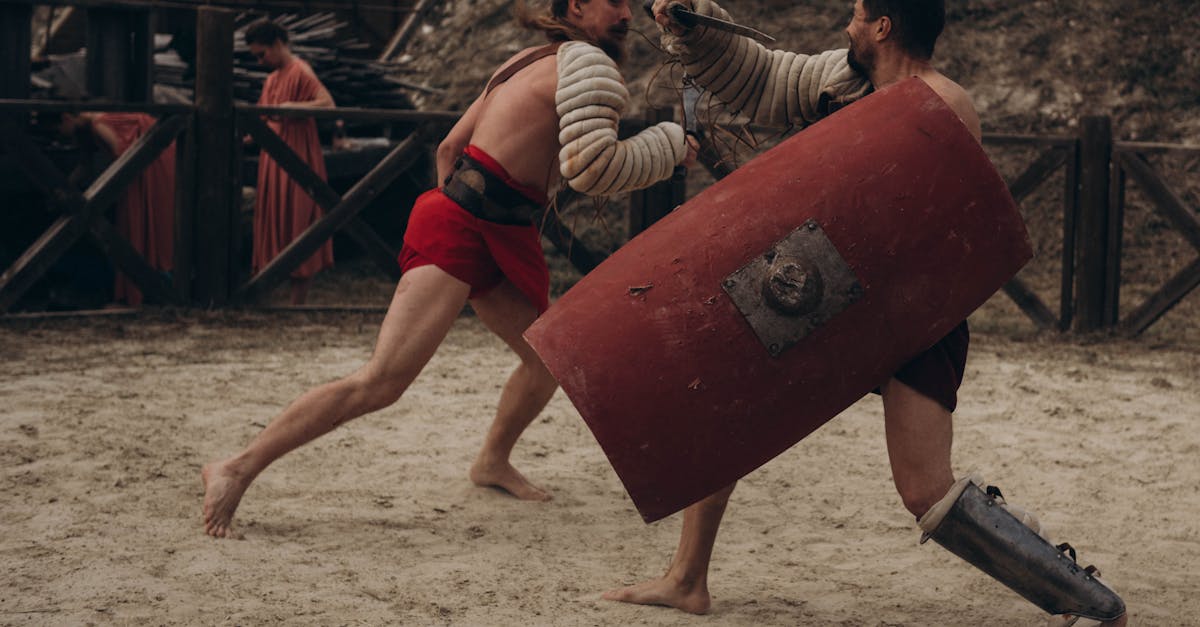 This photo was taken by Olga Solodilova on Pexels.
Echoes of Empire: Preservation and Modern Legacy
The Colosseum stands as a monumental testament to the Roman Empire's engineering prowess and its complex relationship with time, surviving centuries of earthquakes, stone robbers, and neglect through sheer structural resilience. Today, advanced preservation efforts have transformed this ancient amphitheater into a living museum where modern technology meets historical reverence; laser scanning and digital modeling allow experts to reconstruct missing sections virtually while stabilizing the original travertine stones against further decay. These meticulous conservation projects ensure that the very walls which once witnessed the roar of gladiatorial combat remain standing for future generations, offering a tangible link to a civilization that shaped the foundations of Western law, architecture, and culture.
Beyond its physical restoration, the Colosseum's legacy has evolved into a powerful symbol of Italy's enduring spirit and its ability to harmonize the past with the present. As one of the most visited sites in Rome, it serves not merely as a relic but as a dynamic stage for contemporary events, educational programs, and cultural dialogues that bridge millennia. The echoes of the empire reverberate through every archway, reminding visitors that while empires may rise and fall, the human capacity for creation and remembrance remains eternal, making the Colosseum an indispensable chapter in the ongoing story of our shared history.
 This photo was taken by Jonathan Borba on Pexels.