The Best Time of Year to Visit Italy for Weather and Crowds
 This photo was taken by izi m. on Pexels.
Benvenuti! As your local guide, I often get asked the same question: "When is the perfect time to visit Italy?" The answer isn't a single date, but rather a delicate balance between chasing ideal weather and avoiding the crushing crowds that define peak tourist season. Whether you dream of strolling through Florence's Renaissance streets without elbowing strangers, hiking the Dolomites in crisp air, or simply soaking up the sun on a secluded Sicilian beach, timing is everything. In this post, we'll explore how each season offers its own unique magic—from the blossoming gardens of spring and the golden hues of autumn to the festive warmth of winter—helping you craft an itinerary that suits your style perfectly.
Spring: The Sweet Spot for Mild Weather and Manageable Crowds
 This photo was taken by Abdullah Öğük on Pexels.
Summer Heat vs. Coastal Escapes: Navigating Peak Season
July and August in Italy are a double-edged sword, offering the most vibrant energy but also bringing scorching temperatures that can make sightseeing in cities like Rome or Florence an exhausting ordeal. The midday sun is relentless, often pushing mercury levels well above 35°C (95°F), while major attractions become so overcrowded that waiting times for entry can stretch into hours. During these peak months, the historic centers transform into bustling arenas of noise and heat, where the charm of ancient cobblestones is overshadowed by the sheer volume of tourists and the humidity that hangs heavy in the air.
However, savvy travelers know that escaping this intensity requires simply shifting your gaze toward the coast, where the Mediterranean breeze provides a refreshing counterbalance to the inland heat. By retreating to destinations such as the Amalfi Coast, Sicily's southern shores, or the islands of Sardinia and Capri, you can enjoy long, languid days on pristine beaches followed by cool evening strolls along the waterfront. While these coastal hubs do see a surge in visitors during summer, the lifestyle here revolves around the sea, allowing you to navigate the crowds with ease by spending your mornings swimming and your afternoons indulging in gelato by the water, effectively turning the season's challenges into a perfect seaside escape.
 This photo was taken by Erik Mclean on Pexels.
Autumn's Golden Glow and Winter's Festive Charm
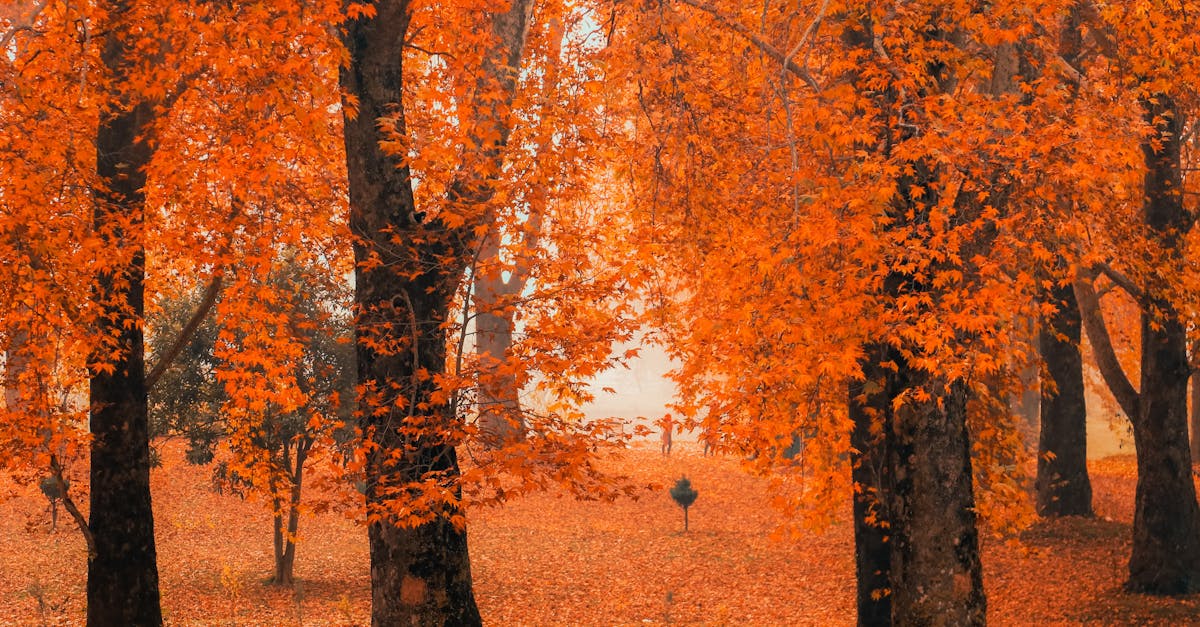
As the summer rush subsides, autumn unveils Italy's most painterly landscapes, offering a perfect balance of mild weather and manageable crowds. From late September through November, the vineyards of Tuscany and Piedmont transform into a tapestry of amber and crimson, while the air turns crisp enough for leisurely hikes without the stifling heat of July. This season is ideal for food lovers, as it coincides with the harvest festivals celebrating truffles, chestnuts, and the first pressings of olive oil, all enjoyed in historic cities like Rome and Florence where you can explore ancient ruins and art galleries without fighting through throngs of tourists.
When winter descends, Italy shifts its focus from sightseeing to celebration, wrapping itself in a festive charm that feels magical yet intimate. December brings twinkling lights to the streets of Milan and Venice, along with world-famous Christmas markets selling handcrafted ornaments and warm mulled wine, while January offers clear skies and fewer visitors for exploring museums and cathedrals at a relaxed pace. Although the northern regions may experience snow that adds a fairytale quality to places like the Dolomites or Lake Como, the south remains surprisingly temperate, allowing travelers to enjoy outdoor cafes and coastal walks even as the rest of Europe braces for colder temperatures.
 This photo was taken by Farhaan Mushtaq Parimoo on Pexels.