Sustainable Tourism in Italy: How to Travel Responsibly
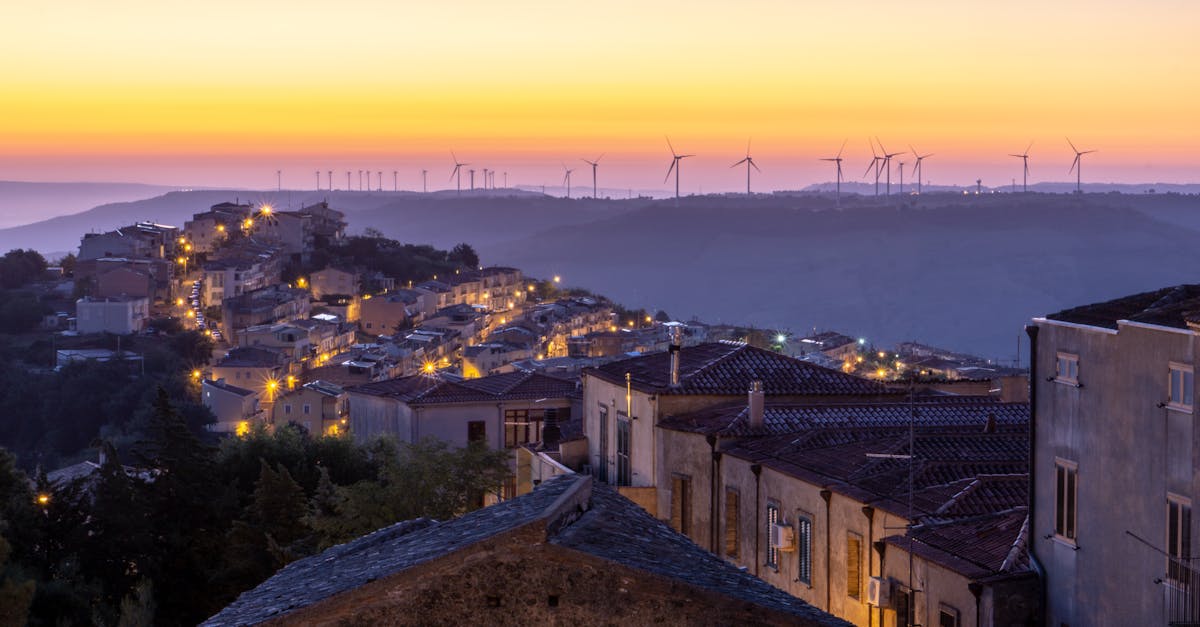 This photo was taken by Giovanni Filograno on Pexels.
Welcome to the heart of Italy, a land where ancient history dances with vibrant modern life. As your local guide, I invite you to explore our beautiful peninsula not just as a visitor, but as a responsible traveler. This journey is about more than ticking off famous landmarks; it is about connecting deeply with the culture, protecting our precious heritage, and ensuring that the magic of Italy remains for generations to come. In this post, we will dive into the art of slow travel to escape the crowds, discover how your choices can directly support local artisans and communities, and learn practical ways to respect our stunning natural landscapes and historic sites. Let's embark on a mindful adventure together, celebrating the true soul of Italy while leaving only footprints behind.
Embracing Slow Travel: Discovering Italy Beyond the Crowds
In a country where the rhythm of life has always been dictated by the sun and the seasons, slow travel offers the perfect way to reconnect with Italy's authentic soul. Instead of rushing from one iconic landmark to another, consider dedicating your days to wandering through the cobblestone alleys of Umbrian hill towns or sipping espresso at a local café in a quiet Sicilian village. This approach allows you to engage deeply with the community, perhaps sharing a meal with a family-run trattoria owner who can tell you the history of their vineyard, or participating in a traditional pottery workshop that has been passed down through generations. By slowing down, you transform from a passive observer into an active participant, discovering hidden gems that often remain invisible to the hurried masses.
Beyond the personal enrichment it brings, embracing this mindful pace is a powerful act of sustainable tourism that directly benefits the destinations we love. When travelers spread out geographically and temporally, they alleviate the crushing pressure on overcrowded hotspots like Venice or Florence, allowing local infrastructure to breathe and preserving the cultural integrity of these historic places. Choosing to stay longer in smaller regions not only reduces the carbon footprint associated with frequent train and bus transfers but also ensures that tourism revenue supports a wider network of small businesses rather than just large international chains. Ultimately, traveling responsibly means respecting the balance between discovery and preservation, ensuring that Italy remains vibrant and welcoming for future generations to explore.
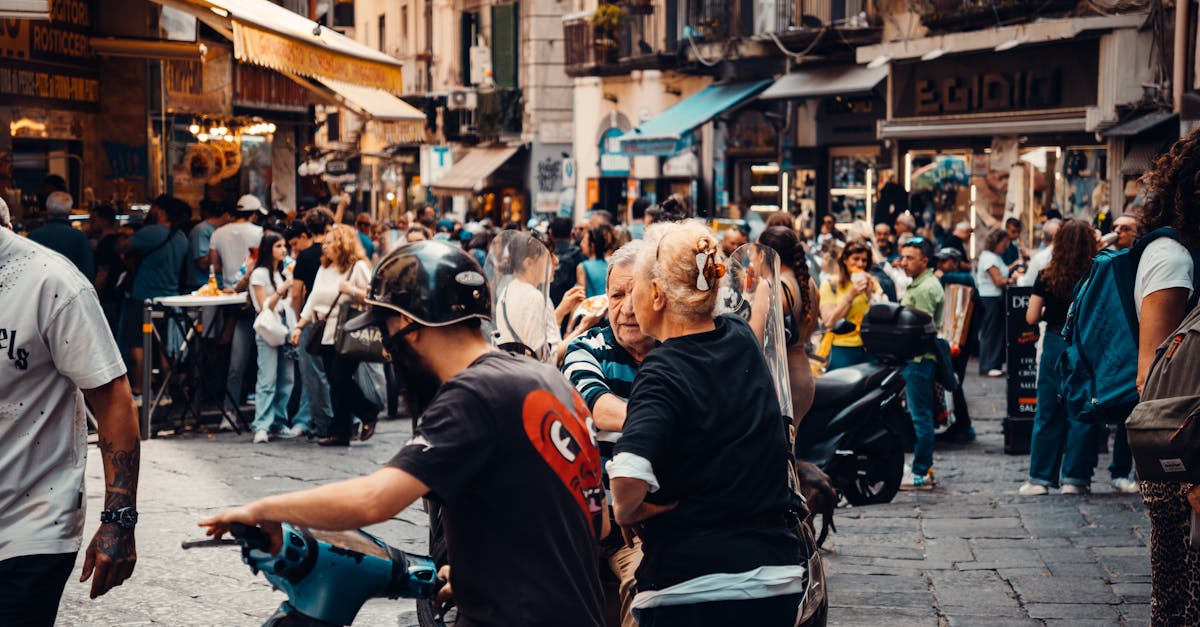 This photo was taken by HAMZA YAICH on Pexels.
Supporting Local Communities and Traditional Crafts
One of the most profound ways to practice sustainable tourism in Italy is by directing your spending toward local artisans and family-run businesses rather than international chains. From the hand-blown glass masters of Murano to the leather craftsmen of Florence, these traditional skills are not merely souvenirs but living heritage that has been passed down through generations. By purchasing directly from these workshops or visiting their studios, you ensure that the revenue stays within the community, helping to preserve ancient techniques that might otherwise vanish under the pressure of mass production.
Beyond simply buying goods, engaging with local communities fosters a deeper cultural exchange and supports the economic resilience of historic towns often overlooked by mainstream itineraries. Whether it is dining at a trattoria owned by a third-generation farmer or attending a workshop on making handmade ceramics in Umbria, your participation validates the value of slow travel and authentic experiences. This approach not only combats overtourism in overcrowded hotspots but also empowers residents to maintain their unique identities, ensuring that Italy's rich tapestry of traditions continues to thrive for future visitors to discover.
 This photo was taken by ATEEQ- PHOTOS on Pexels.
Respecting Heritage Sites and Natural Landscapes
Italy's rich tapestry of history, from the ancient ruins of Pompeii to the Renaissance masterpieces of Florence, demands a gentle touch from every visitor. Respecting these heritage sites means adhering strictly to designated pathways, refraining from touching fragile frescoes or climbing on restricted structures, and remembering that we are merely guests in spaces preserved for generations. By choosing licensed local guides and supporting community-run cultural initiatives, travelers help fund the meticulous restoration work required to keep these wonders standing, ensuring that the stories etched in stone continue to be told without further erosion.
Beyond our historic cities, Italy's breathtaking natural landscapes—from the rugged cliffs of the Cinque Terre to the pristine lakes of the Dolomites—require equal reverence to maintain their ecological balance. Responsible tourism involves staying on marked trails to prevent soil erosion, carrying out all waste including biodegradable items like fruit peels, and respecting wildlife by observing animals from a distance without feeding them. When you choose eco-friendly accommodations and minimize your carbon footprint while exploring these pristine environments, you contribute directly to preserving the raw beauty that makes Italy a global treasure for nature lovers.
 This photo was taken by PHILIPPE SERRAND on Pexels.