Sustainable Tourism: How to Explore Italy Responsibly and Respectfully
 This photo was taken by Giovanni Filograno on Pexels.
Preserving Italy's Heritage: Walking the Right Path
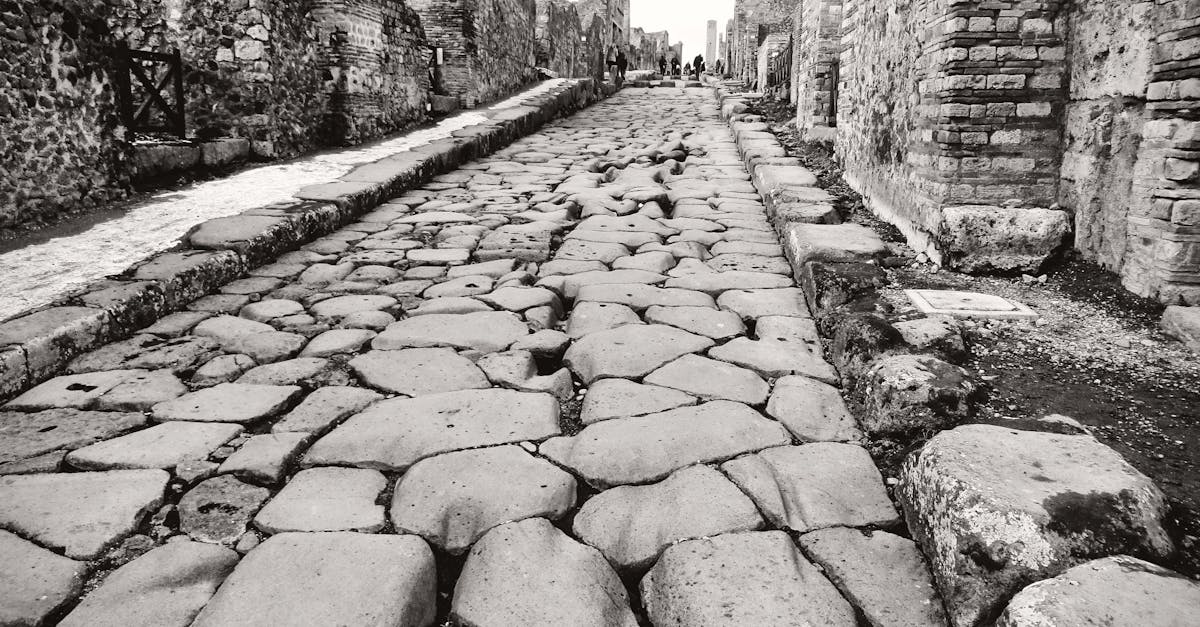
Preserving Italy's heritage requires a conscious shift from mass tourism to mindful exploration, where every traveler becomes a guardian of the country's timeless beauty. When visiting iconic sites like the Colosseum or the canals of Venice, it is crucial to stay on designated paths and resist the urge to climb on ancient ruins or litter in historic squares. These actions, though seemingly small, cumulatively cause irreversible damage to fragile structures that have stood for centuries; by respecting boundaries and following local guidelines, we ensure that future generations can continue to marvel at these architectural wonders without degradation.
Furthermore, walking the right path means engaging with local communities in a way that honors their traditions and supports their economies directly. Instead of crowding into overcrowded tourist traps, consider exploring lesser-known villages or purchasing authentic crafts from local artisans rather than imported souvenirs. This approach not only alleviates the pressure on popular hotspots but also fosters a deeper cultural exchange, allowing you to experience the true soul of Italy while contributing to the sustainability of its vibrant towns. By choosing responsible behaviors, we transform our journeys from mere sightseeing into acts of preservation, ensuring Italy remains a living, breathing testament to human history.
 This photo was taken by Ivan Dražić on Pexels.
Supporting Local Economies Beyond the Tourist Trail
To truly support the Italian economy, venture beyond the crowded piazzas of Venice and Florence to discover the vibrant hinterlands where authentic traditions still thrive. By choosing family-run agriturismos in Tuscany, staying in small guesthouses in the Dolomites, or dining at trattorias tucked away in historic villages like Matera or Orvieto, your spending directly empowers local families rather than multinational chains. These rural areas often face depopulation challenges, and a conscious decision to visit them helps preserve ancient craftsmanship, such as pottery making in Umbria or cheese production in Emilia-Romagna, ensuring that Italy's rich cultural heritage remains a living practice for future generations.
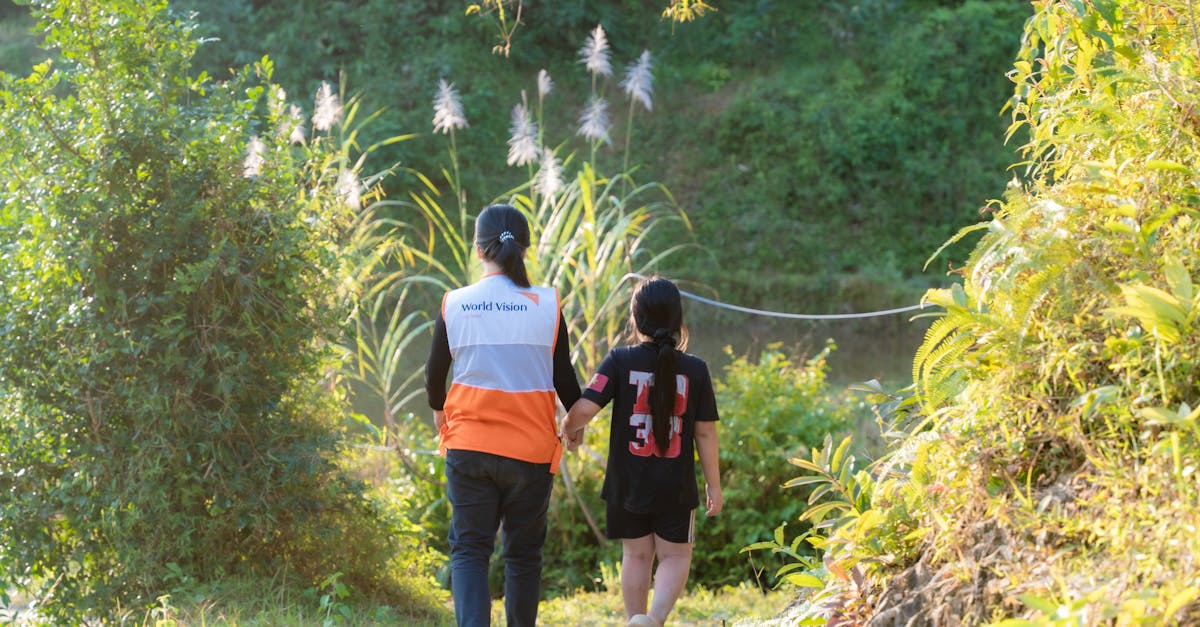
Furthermore, responsible tourism involves engaging with local artisans and producers who offer more than just souvenirs; they provide a window into the daily life and history of their communities. Seek out markets in smaller towns where you can buy seasonal produce directly from farmers, or participate in workshops led by master glassblowers in Murano or leather workers in Santa Croce sull'Arno. This direct interaction not only guarantees fair wages for skilled laborers but also fosters meaningful cross-cultural exchanges that transform a simple holiday into an educational journey. When you prioritize these local connections, you become a catalyst for sustainable development, proving that the most memorable Italian experiences are found where the tourist crowds have yet to arrive.
 This photo was taken by Đậu Photograph on Pexels.
Eco-Conscious Travel: Reducing Your Carbon Footprint in the Bel Paese
Exploring the Bel Paese with a light footprint begins with choosing low-impact transportation, where Italy's extensive and efficient rail network offers a picturesque alternative to flying or driving. By hopping on regional trains from the rolling hills of Tuscany to the vibrant streets of Naples, you not only minimize your carbon emissions but also immerse yourself in the stunning landscapes that define our country. For shorter distances, embracing the local culture means walking or cycling through historic city centers like Florence or Venice, which are often best enjoyed at a leisurely pace that allows for spontaneous discoveries while supporting cleaner air and quieter streets.
Beyond transportation, true sustainability in Italy involves respecting our rich biodiversity and supporting the local economy through mindful consumption. Travelers can reduce waste by carrying reusable water bottles to fill at the thousands of public fountains known as "nasoni" or "fontanelle," which provide free, fresh drinking water across the peninsula. Furthermore, choosing locally sourced ingredients at family-run trattorias and purchasing artisanal goods directly from producers helps preserve traditional crafts and ensures that tourism revenue stays within the community, fostering a resilient relationship between visitors and the land we love.
 This photo was taken by Gustavo Novo on Pexels.