Sustainable Tourism: How to Explore Italy Responsibly
 This photo was taken by Giovanni Filograno on Pexels.
Embracing Slow Travel: Discovering Italy Beyond the Crowds
Moving beyond the bustling hubs of Rome, Venice, and Florence allows you to uncover the authentic heartbeat of Italy, where time seems to slow down in favor of genuine connection. Instead of rushing through major landmarks, embrace the art of "slow travel" by wandering the cobblestone streets of lesser-known villages like Matera or the rolling hills of Umbria, where locals still greet neighbors with warm smiles and traditional customs remain vibrant. This approach not only reduces the strain on overtouristed sites but also invites you to savor the simple pleasures: sharing a home-cooked meal with a family in a tiny agriturismo, learning the nuances of regional dialects, and discovering hidden wineries that have been passed down through generations.
By choosing to explore these quieter corners, you directly contribute to sustainable tourism, ensuring that the economic benefits of your visit are distributed more evenly among local communities rather than concentrating solely in tourist traps. Engaging with small businesses, such as artisan workshops in Tuscany or fishing cooperatives in Sicily, helps preserve cultural heritage while fostering a deeper understanding of Italian life. As you traverse the country at a leisurely pace, you become a respectful guest rather than just another visitor, leaving behind nothing but footprints and memories that support the long-term vitality of Italy's diverse landscapes and rich traditions.
 This photo was taken by HAMZA YAICH on Pexels.
Supporting Local Economies: Where to Eat, Shop, and Stay Sustainably
To truly support Italy's vibrant local economies, travelers should prioritize dining at family-run trattorias and osterias that source ingredients from nearby farms, ensuring your meal directly benefits regional producers rather than large chains. When shopping for souvenirs, seek out artisan markets in cities like Florence or Naples where you can purchase handmade ceramics, leather goods, and textiles crafted by local masters, avoiding mass-produced imports that offer little value to the community. By choosing these authentic experiences, you not only enrich your journey with genuine cultural immersion but also help preserve traditional skills that are the heartbeat of Italian heritage.
Accommodation choices play a pivotal role in sustainable tourism, so consider staying in agriturismos on the countryside estates or small, family-owned bed and breakfasts in historic centers instead of international hotel chains. These establishments often reinvest their profits back into the local area, providing employment opportunities for residents and maintaining the architectural integrity of ancient buildings. Furthermore, many eco-conscious lodging options implement green practices such as water conservation and waste reduction, allowing you to rest comfortably while knowing your presence contributes positively to the destination's long-term vitality and environmental health.
 This photo was taken by Miguel Á. Padriñán on Pexels.
Preserving Heritage and Nature: Your Role as a Responsible Visitor
Italy's breathtaking landscapes and centuries-old cities are treasures that require our collective protection to remain vibrant for future generations. As you wander through the cobblestone streets of Rome or hike the Cinque Terre trails, remember that your presence is a privilege; please stay on marked paths, never remove stones or artifacts as souvenirs, and dispose of waste in designated bins to keep these iconic sites pristine. By choosing eco-friendly accommodations and supporting local artisans who practice traditional crafts, you directly contribute to an economy that values sustainability over mass consumption, ensuring that the magic of Italy endures without being eroded by overtourism.
Furthermore, respecting local customs and environmental regulations is a fundamental part of being a responsible traveler in the Bel Paese. Whether you are enjoying a quiet moment at a historic fountain or visiting a protected natural reserve like the Dolomites, adhere strictly to "no littering" rules and avoid disturbing wildlife or vegetation. Engaging with your surroundings mindfully—such as conserving water during your stay and participating in community-led conservation initiatives—transforms you from a passive observer into an active guardian of Italy's rich cultural and natural heritage, fostering a deeper connection with the land while helping to preserve its unique character.
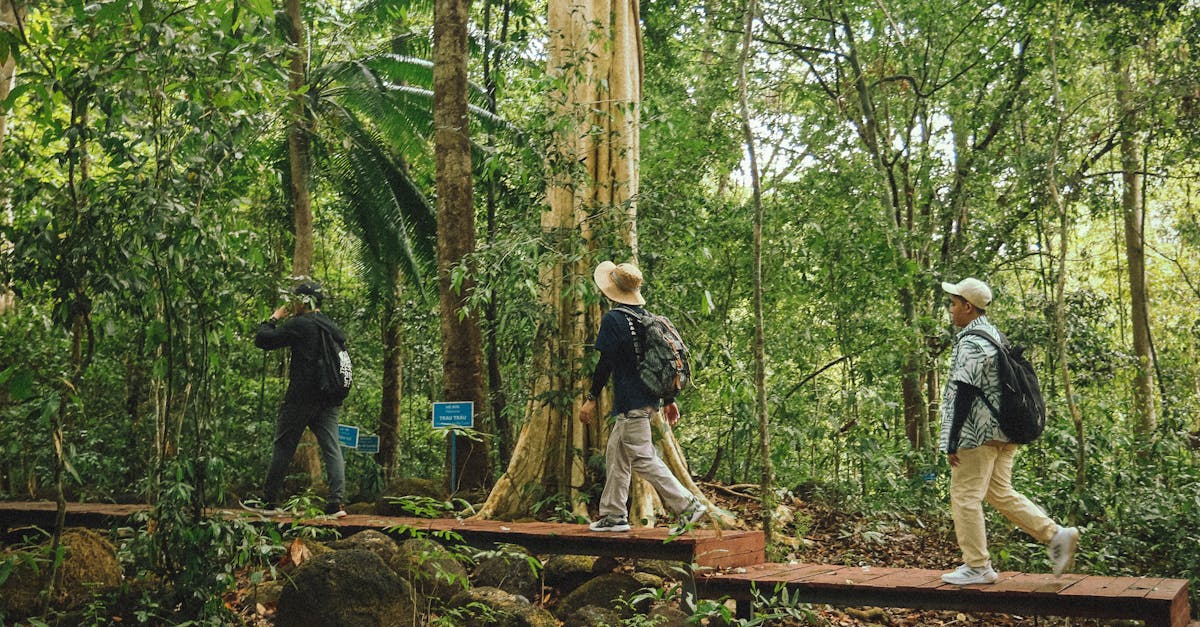 This photo was taken by Vietnam Photographer on Pexels.