Sustainable Tourism: Exploring Italy Responsibly
 This photo was taken by Giovanni Filograno on Pexels.
Welcome to the heart of Italy, a land where ancient history dances with vibrant modern life. As your guide through this breathtaking peninsula, I invite you to look beyond the crowded piazzas and iconic landmarks to discover a deeper, more meaningful way to travel. In this post, "Sustainable Tourism: Exploring Italy Responsibly," we will explore how your journey can leave a positive footprint on our beautiful country. From embracing the art of slow travel to uncovering hidden gems away from the tourist trails, supporting local artisans who keep centuries-old traditions alive, and adopting eco-friendly practices that protect our shared heritage, together we can ensure that Italy remains as magical for future generations as it is for us today.
Embracing Slow Travel: Discovering Italy's Hidden Gems
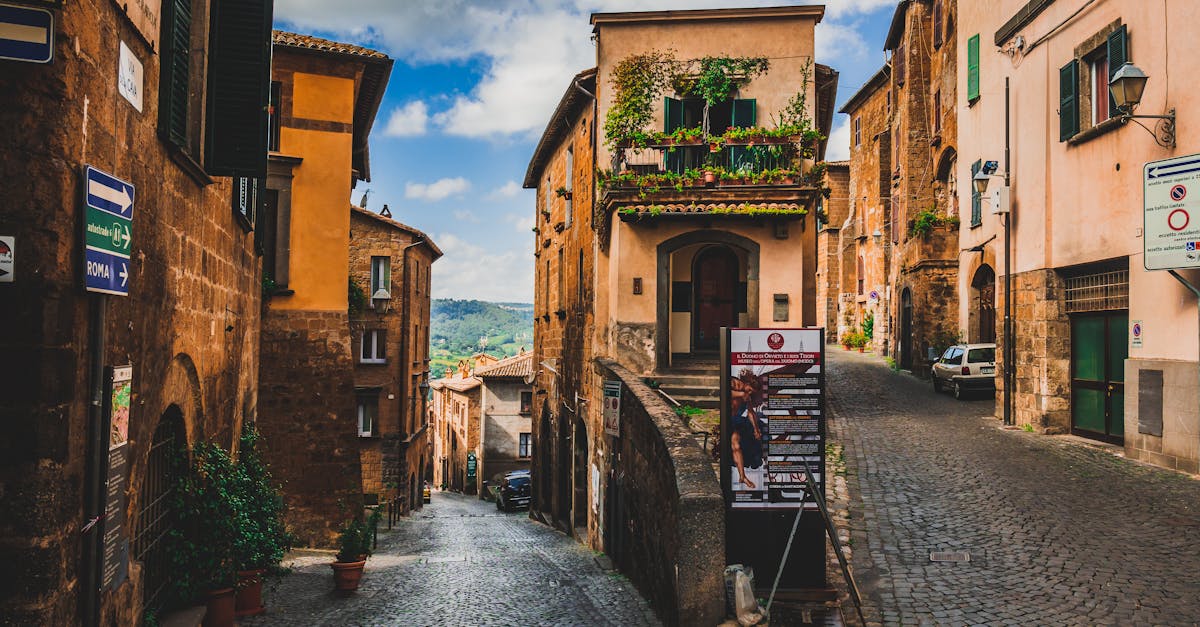
Embracing slow travel in Italy means shifting your pace from a frantic checklist of famous landmarks to a deeper, more immersive connection with the local rhythm. Instead of rushing through the crowds of Venice or Rome, consider spending a week wandering the cobblestone streets of lesser-known hill towns like Matera or Orvieto, where time seems to stand still. This approach allows you to savor authentic flavors at family-run trattorias, engage in meaningful conversations with artisans preserving centuries-old traditions, and truly understand the soul of the region without contributing to overtourism hotspots.
By venturing off the beaten path, you directly support the preservation of Italy's hidden gems and the communities that call them home. Your choice to explore rural villages in Umbria or the quiet coastlines of Calabria helps distribute economic benefits beyond the major tourist hubs, fostering sustainable development in areas that often rely on agriculture and craftsmanship. As responsible travelers, we have the power to protect these fragile environments by respecting local customs, using eco-friendly transportation, and choosing experiences that prioritize cultural exchange over mere sightseeing, ensuring that Italy's beauty endures for future generations to enjoy.
 This photo was taken by Chait Goli on Pexels.
Supporting Local Communities and Artisan Traditions
One of the most profound ways to travel responsibly in Italy is by directing your spending toward local artisans and family-run businesses that have preserved centuries-old traditions. From the hand-blown glass masters of Murano to the leather craftsmen of Florence and the ceramic painters of Deruta, these individuals are the living guardians of Italy's cultural heritage. By choosing to purchase directly from their workshops or visiting small-scale producers rather than mass-market souvenir shops, you ensure that the revenue stays within the community, supporting not just a single livelihood but an entire ecosystem of apprentices and suppliers who keep these ancient skills alive for future generations.
Beyond commerce, engaging with local communities fosters a deeper, more respectful connection between visitor and host, transforming a standard holiday into a meaningful exchange of culture. When you participate in cooking classes led by nonnas in rural Tuscany, join a traditional festival in a Sicilian village, or dine at a trattoria owned by locals, you contribute to the vitality of the neighborhood and help prevent the homogenization often caused by overtourism. This approach encourages a sustainable model where tourism acts as a catalyst for cultural preservation rather than a force of disruption, ensuring that the authentic soul of Italian towns remains vibrant and intact for both residents and visitors alike.
 This photo was taken by Ron Lach on Pexels.
Protecting Our Heritage: Eco-Friendly Practices for Visitors
As we wander through the cobblestone streets of Rome or sail past the colorful cliffs of the Amalfi Coast, it is vital to remember that our presence leaves a footprint. Protecting Italy's priceless heritage means embracing eco-friendly habits that minimize our impact on these fragile environments. Simple actions, such as carrying a reusable water bottle to utilize the city's many public fountains, refusing single-use plastics, and sticking to designated paths in archaeological sites like Pompeii, make a profound difference. By choosing local, seasonal produce for our meals and supporting artisans who use traditional, sustainable methods, we ensure that the cultural fabric of these communities remains intact for future generations.
Beyond individual choices, responsible tourism involves respecting the rhythm of Italian life and the sanctity of its historical landmarks. This means adhering to quiet hours in historic centers, avoiding littering even in seemingly empty corners, and participating in organized clean-up initiatives where available. When visiting natural wonders like the Dolomites or the Cinque Terre, we must follow marked trails to prevent erosion and protect native flora. By traveling with mindfulness and a deep respect for both nature and history, we transform from mere observers into active guardians, ensuring that the beauty of Italy continues to thrive long after our journey has ended.
 This photo was taken by Abu Bakar Siddique on Pexels.