Survival Guide: Essential Italian Phrases for Tourists
 This photo was taken by Marta Branco on Pexels.
Welcome to the Bel Paese, where the air is filled with the aroma of fresh espresso and the streets hum with a vibrant rhythm that has captivated travelers for centuries. As your local guide, I know that while Italy's landscapes and history are breathtaking, the true magic often lies in those fleeting moments of connection with its people. Many visitors fear that a lack of fluency will create a barrier, but the truth is far more charming: Italians adore tourists who make even a modest effort to speak their language. This Survival Guide is designed to bridge that gap, transforming you from a passive observer into an engaged participant in daily Italian life. From mastering the nuanced art of greetings and table manners to confidently navigating bustling streets and ordering like a seasoned local, these essential phrases will unlock doors, warm hearts, and ensure your journey through Italy is nothing short of unforgettable.
Greetings and Table Manners: The Art of Politeness
Upon entering any Italian restaurant, the first step to a delightful dining experience is mastering the art of polite greetings. Always begin your interaction with a warm "Buongiorno" during the day or "Buonasera" in the evening; skipping this pleasantries can be perceived as rude by staff. When you are seated, wait for the host to guide you and never call out to attract attention, as waving or tapping fingers on the table is considered impolite. Instead, make eye contact and offer a subtle nod or a soft "Scusi" (Excuse me) if you need assistance, ensuring your tone remains respectful and courteous throughout your stay.
Once seated, understanding local table manners will help you blend in seamlessly with the locals. In Italy, meals are a leisurely affair meant for conversation, so rushing through your course or asking for the check immediately after finishing is frowned upon; simply signal the waiter when you are ready by making brief eye contact. Remember that bread is placed directly on the tablecloth rather than a plate, and it is customary to keep your hands visible above the table, not in your lap. Furthermore, unless you are at a very casual trattoria, avoid ordering cappuccino after 11 AM, as Italians believe milk-based coffees are strictly for breakfast and sipping one later in the day disrupts the culinary rhythm.
 This photo was taken by Polina ⠀ on Pexels.
Navigating the Streets: Directions and Transportation
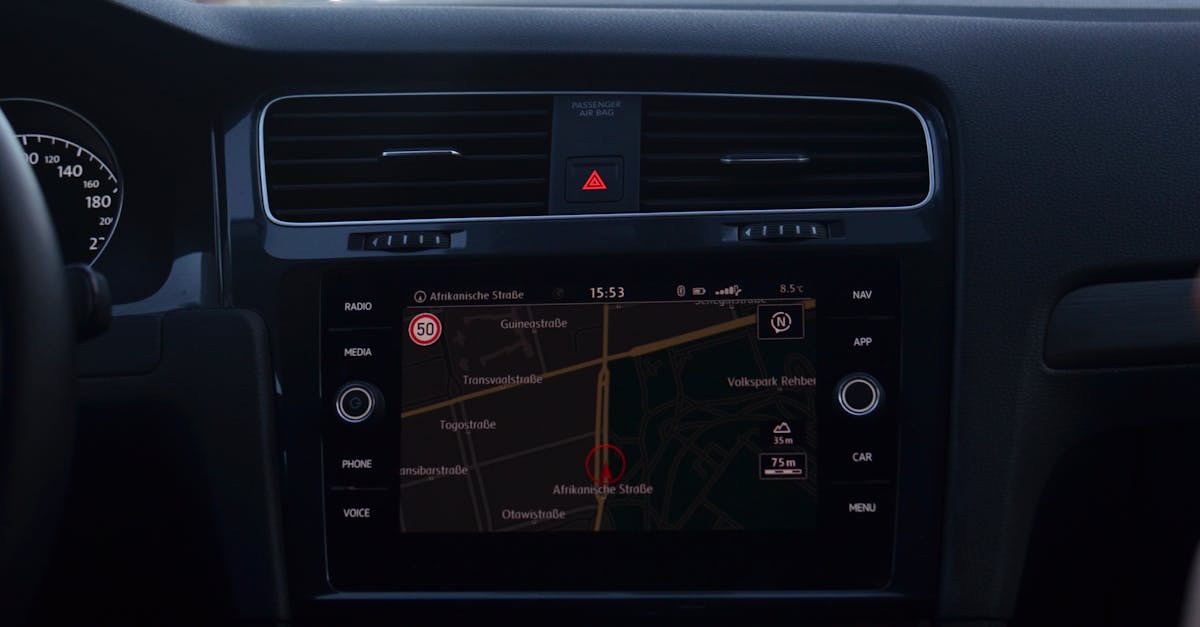
Getting around Italy's historic cities can be an adventure in itself, where narrow cobblestone streets often lead to hidden piazzas rather than direct routes. While GPS is a helpful tool, it sometimes struggles with the labyrinthine layout of old towns like Florence or Rome, so don't hesitate to ask locals for directions using the polite phrase "Scusi, potrebbe indicarmi la strada?" (Excuse me, could you show me the way?). Remember that many Italian cities have ZTL zones (Zona a Traffico Limitato) where unauthorized vehicles are heavily fined, so always verify parking restrictions and consider walking or taking a taxi when your map suggests a car route through these restricted areas.
For longer distances or to escape the city bustle, Italy boasts an extensive and efficient public transportation network ranging from high-speed trains to local buses and trams. When boarding, keep in mind that tickets must often be validated upon entry by stamping them in the green machines found on platforms and inside bus stops; failing to do so can result in a fine even if you have a valid ticket. If you find yourself confused at a station, simply point to your destination on a map and say "Dov'è il treno per [city]?" (Where is the train for [city]?) to get immediate assistance from friendly staff who will guide you to the correct platform without hesitation.
 This photo was taken by Skylar Kang on Pexels.
Ordering Like a Local: Food, Drink, and Shopping
Navigating the bustling trattorias of Rome or the cozy cafes of Florence becomes effortless when you master the art of ordering like a local. Instead of simply pointing at a menu, try starting your interaction with "Buongiorno" or "Buonasera" to set a polite tone before asking for the wine list with "Posso vedere la lista dei vini?" or requesting the check with "Il conto, per favore." Remember that in Italy, coffee is often a standing affair; say "Un caffè, per cortesia" at the bar counter rather than sitting down, and never order a cappuccino after 11 AM, as locals believe it hinders digestion. When dining, always ask if water is included ("L'acqua è inclusa?") and specify whether you prefer sparkling ("frizzante") or still ("naturale"), as this small detail shows you understand the local customs.
Beyond the dining table, shopping in Italy offers a unique cultural experience where conversation is key to securing the best deals and finding hidden gems. Whether you are browsing leather goods in Florence or silk scarves in Como, phrases like "Quanto costa questo?" (How much does this cost?) and "Ha qualcosa di più economico?" (Do you have something more affordable?) will help you negotiate respectfully without offending the merchant. If you need assistance finding a specific item, ask "Dov'è il reparto di..." followed by the section name, such as "pasta" or "abbigliamento," and don't forget to close every transaction with a warm "Grazie mille" and a friendly smile, which often opens doors to better service and insider tips on the area's best boutiques.
 This photo was taken by RDNE Stock project on Pexels.