 This photo was taken by Quang Nguyen Vinh on Pexels.
Benvenuti in Italia, dove every season whispers a different story and the calendar is punctuated by celebrations that have echoed through centuries. As your guide through this beautiful peninsula, I invite you to step beyond the typical tourist path and immerse yourself in the vibrant pulse of our local traditions. From the ethereal masks of winter to the fiery passion of summer, Italy's festivals are not merely events; they are living expressions of history, faith, and community spirit. Join me as we explore how these unique cultural gatherings transform ordinary days into unforgettable memories, offering a glimpse into the very soul of Italian life.
Winter's Magical Carnival: Venice and Beyond
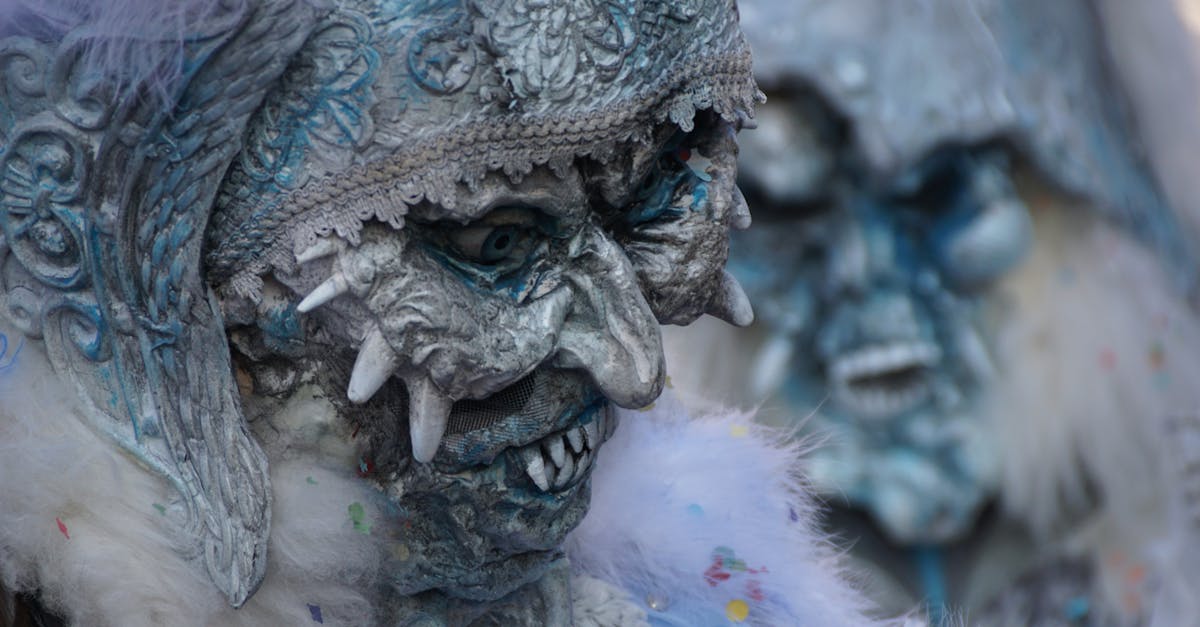
As the winter chill settles over the Venetian Lagoon, the city transforms into a dreamlike realm of mystery and grandeur during its world-renowned Carnival. Unlike any other celebration, this event invites visitors to step back in time, donning elaborate 18th-century masks and opulent costumes that conceal identities and blur social lines for days on end. The atmosphere is electric as masked revelers parade through St. Mark's Square, watch the historic "Flight of the Angel" from the Campanile tower, and dance the night away at exclusive masquerade balls held in ancient palazzos. Beyond the iconic Venice, the spirit of carnival spreads across northern Italy, where towns like Viareggio offer their own spectacular parades of giant papier-mâché floats, creating a tapestry of regional traditions that showcase Italy's deep-rooted love for theatrical expression even in the coldest months.
While the mask-clad festivities dominate the headlines, winter in Italy offers a quieter yet equally enchanting cultural rhythm for the discerning traveler. In the days following the main carnival events, many regions host intimate religious processions and traditional fairs that celebrate local patron saints with rustic charm and hearty cuisine. Imagine sipping warm mulled wine by candlelit altars in the Dolomites or wandering through medieval villages adorned with festive lights that reflect off snow-dusted cobblestones. These seasonal gatherings provide a unique opportunity to connect with authentic Italian life, far removed from the summer crowds, allowing you to experience the warmth of community hospitality and the profound sense of history that defines Italy's winter soul.
This
photo was taken by
Rainer Lüthy on Pexels.
Springtime Saints and Sweets: Easter Traditions Across the Peninsula
As the first warm breezes of April sweep across the Italian peninsula, the air fills with a unique blend of religious solemnity and culinary delight, marking the heart of Easter traditions. From the dramatic reenactments in Sicily to the grand processions in Florence, every region offers its own distinct way to honor Holy Week, known locally as Settimana Santa. In Orvieto, the "Processione dei Misteri" sees locals carrying heavy wooden statues through cobblestone streets at night, while in Matera, the ancient stone city transforms into a living tableau of biblical history. These spiritual observances are not merely static rituals but vibrant community events that weave together centuries of faith, art, and local pride, inviting visitors to witness a profound connection between the sacred and the everyday.
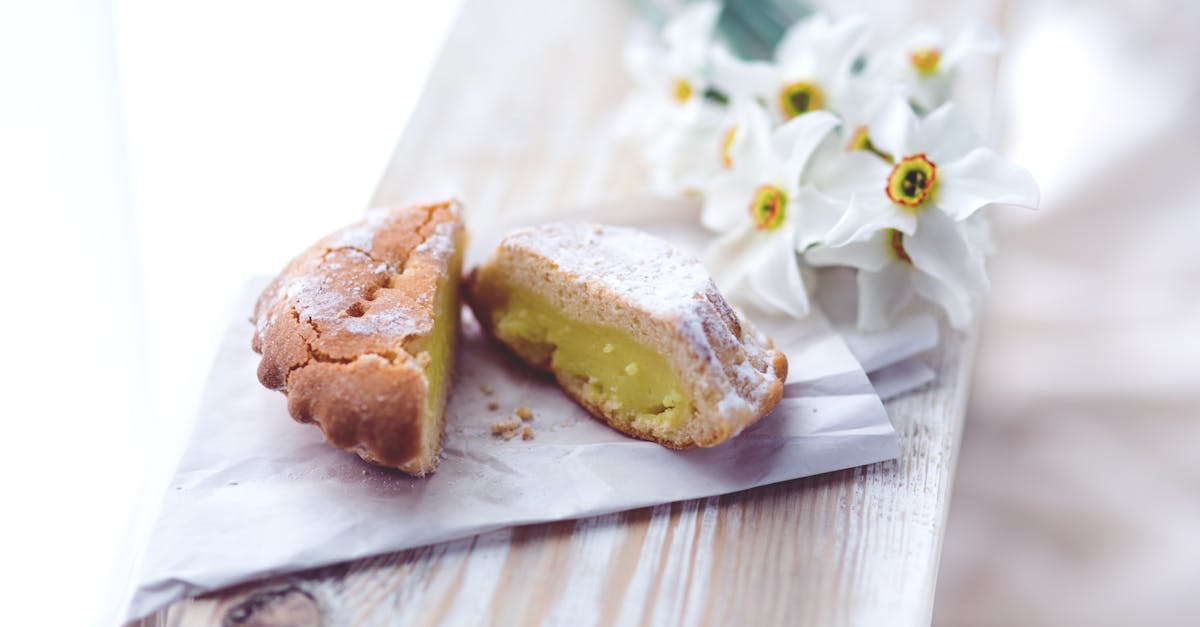
Yet, no Italian Easter experience is complete without indulging in the season's most anticipated sweets, which vary dramatically from north to south. In Tuscany, you will find the savory schacciata filled with raisins and pine nuts, whereas in Rome, the star of the table is the rich, egg-laden colomba di Pasqua, shaped like a dove to symbolize peace. Further south, particularly in Naples and Puglia, the focus shifts to pastiera or cuddura, pastries bursting with ricotta, candied citrus, and wheat berries that evoke the freshness of spring itself. As you wander through these historic towns, tasting these regional delicacies, you will discover that the true flavor of an Italian Easter lies in this harmonious marriage of deep-rooted tradition and the simple joy of sharing a meal with family and friends.
This
photo was taken by
Karolina Grabowska www.kaboompics.com on Pexels.
Summer Nights of Fire and Food: The Palio and Beyond
As the summer sun dips below the Tuscan horizon, the air in Siena transforms into a palpable electric charge, setting the stage for the Palio di Siena, one of the world's most thrilling and historic horse races. This is not merely a sporting event but a visceral celebration of local identity, where rival contrade (districts) don their vibrant colors and compete with fierce passion on the dusty, shell-shaped Piazza del Campo. The night before the race is just as captivating, featuring the ceremonial procession of historical costumes and banners that echo centuries of tradition, culminating in a raucous atmosphere where locals and visitors alike share in the anticipation. Amidst the chanting and drumming, the scent of grilling meats and roasted chestnuts drifts through the crowd, offering a sensory prelude to the culinary delights that await after the dust settles.
Beyond the roar of the hooves, the true magic of these Italian summer nights lies in the al fresco dining that follows, where the festival spirit extends far beyond the racecourse. In towns from Naples to Sicily, streets come alive with tables spilling out onto cobblestones, laden with fresh pasta, spicy 'nduja, and chilled white wine under strings of fairy lights. Whether you are savoring a slow-cooked ragù in a quiet courtyard or joining a lively street party in Bologna, the food serves as the universal language of connection, binding strangers together in shared joy. These evenings are a testament to the Italian art of living, where the heat of the day gives way to the warmth of community, ensuring that your memory of Italy is etched not just by the sights, but by the unforgettable flavors and the enduring fire of its cultural celebrations.
This
photo was taken by
Elizabeth Zernetska on Pexels.