Rome Through the Ages: From Ancient Ruins to Modern Streets
 This photo was taken by Paolo Bici on Pexels.
Welcome to the heart of Italy, where every cobblestone whispers a story and every shadow holds a secret. As your local guide, I invite you to step into Rome, a city that defies time itself. Here, the grandeur of ancient emperors stands shoulder-to-shoulder with the vibrant pulse of contemporary life, creating a unique tapestry that has captivated travelers for millennia. In this journey through "Rome Through the Ages," we will traverse from the sun-drenched ruins of the Colosseum to the ornate churches of the Baroque era, and finally immerse ourselves in the lively rhythm of modern Roman streets. Whether you are tracing the footsteps of gods or enjoying an evening aperitivo by the Tiber, prepare to discover why this is truly the Eternal City.
Walking Among the Gods: Exploring Rome's Ancient Heart
Stepping into the Roman Forum is akin to walking through a living history book, where every cracked column and weathered stone whispers tales of emperors, senators, and the daily lives of ancient citizens. As you meander through this sprawling archaeological park, the sun-dappled ruins of the Temple of Saturn and the Arch of Titus stand as silent sentinels of an empire that once ruled the known world. The air here feels thick with time, inviting you to imagine the bustling crowds of togas and sandals that once filled these sacred spaces during triumphal parades and political debates. It is a profound experience to trace your fingers along the rough texture of marble that has witnessed centuries of rise and fall, connecting you directly to the heartbeat of the civilization that shaped Western culture.
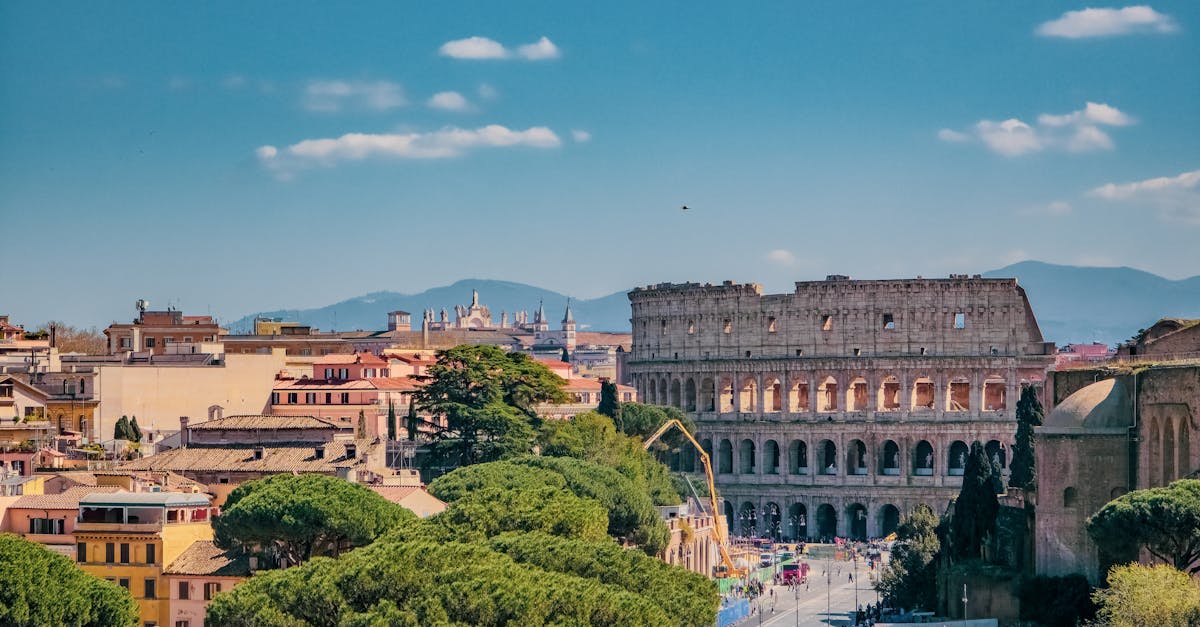
Just beyond the Forum lies the Colosseum, an architectural marvel that continues to dominate the skyline and draw visitors from every corner of the globe. Walking beneath its massive arches, one can almost hear the roar of fifty thousand spectators who gathered to witness gladiatorial combat and grand spectacles, a stark reminder of Rome's complex blend of power and spectacle. Yet, even amidst these monumental remnants of antiquity, the city breathes with modern life; street vendors sell gelato near the base of the Flavian Amphitheatre while locals chat on their phones, creating a unique tapestry where the past and present coexist seamlessly. This juxtaposition allows travelers to truly feel the layers of history embedded in the very streets, making Rome not just a destination for sightseeing, but a timeless journey through the ages.
 This photo was taken by Golden Jojo on Pexels.
The Eternal City's Renaissance and Baroque Splendor
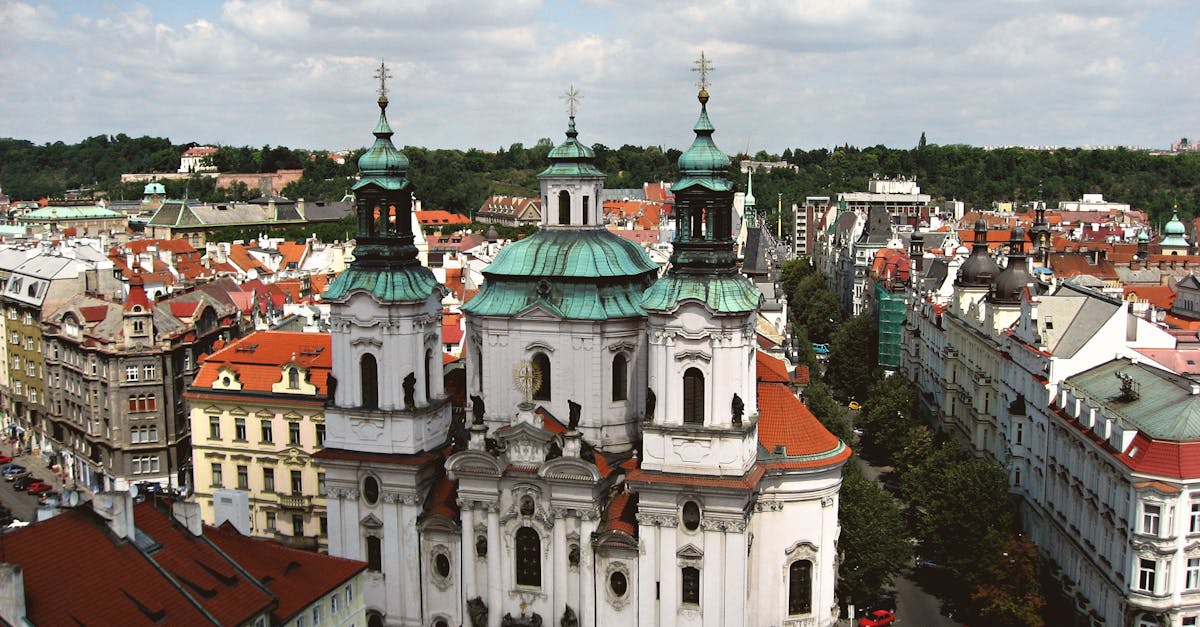
While Rome is often synonymous with its ancient imperial past, the city truly transforms into an open-air museum of artistic evolution during the Renaissance and Baroque eras. As you wander through the narrow streets of Trastevere or the grand piazzas near the Pantheon, you will witness how architects like Bramante and Michelangelo reimagined classical forms, infusing them with a new sense of humanism and proportion. This artistic rebirth reached its fever pitch in the 17th century under the patronage of powerful popes, turning the cityscape into a dramatic stage for the Baroque style. Here, Bernini's swirling marble columns and Borromini's undulating facades create a theatrical interplay of light and shadow that invites visitors to lose themselves in the emotional intensity of the era.
Immersing yourself in this splendor means more than just admiring static monuments; it involves experiencing the dynamic energy that defined these centuries. A stroll through Piazza Navona reveals how the Baroque spirit turned public spaces into living canvases, where fountains dance with sculpted figures and churches explode with gilded frescoes that seem to dissolve the very ceiling into the heavens. From the intricate details of the Trevi Fountain to the soaring dome of St. Peter's Basilica, every corner tells a story of ambition and devotion that continues to captivate travelers today. Walking these modern streets, you are not merely observing history but walking through the very heart of a city that mastered the art of making stone sing.
 This photo was taken by DΛVΞ GΛRCIΛ on Pexels.
From Tram Rides to Aperitivo: Experiencing Modern Roman Life
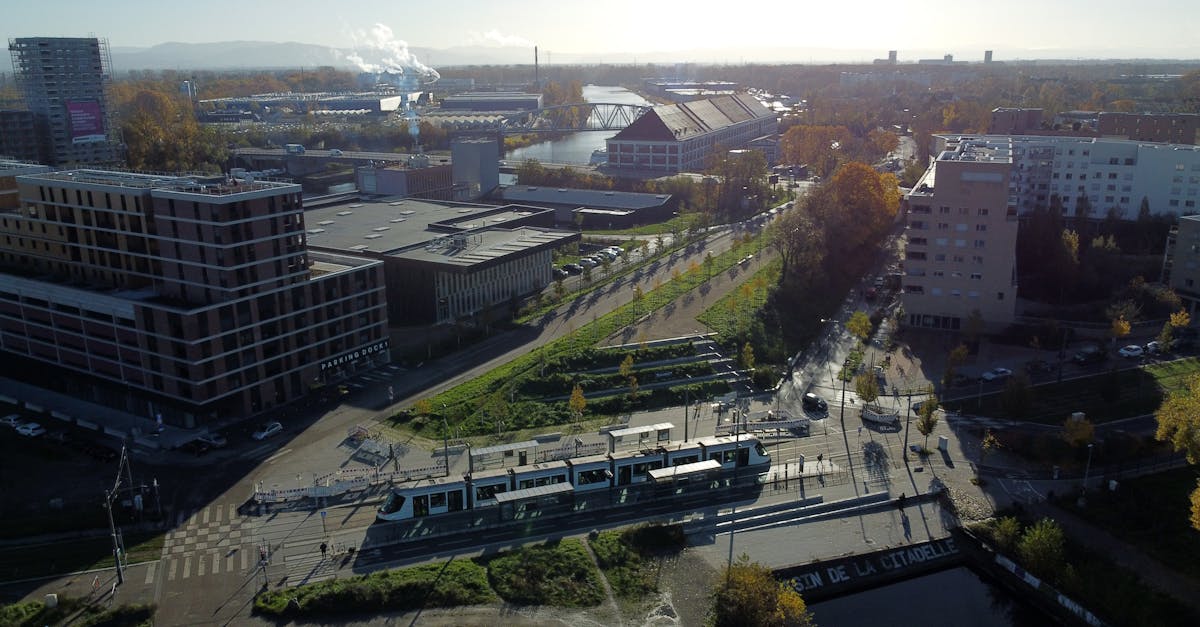
While the ancient ruins of the Colosseum and Forum dominate the historical narrative, the true pulse of contemporary Rome beats along its vibrant tram lines and bustling piazzas. Hop aboard a classic yellow or green tram that winds through neighborhoods like Trastevere and Testaccio, where the rhythm of daily life unfolds against a backdrop of modern art galleries and trendy cafes. These electric journeys offer a unique perspective, gliding past historic facades that have stood for centuries while revealing how locals seamlessly blend their rich heritage with current urban trends, turning every commute into a moving panorama of living history.
As the sun begins to dip below the golden skyline, the city transforms once again during the beloved ritual of the aperitivo, a social cornerstone that defines modern Roman evenings. Locals gather in lively spots from Campo de' Fiori to the banks of the Tiber, sipping spritzes and prosecco while enjoying complimentary snacks that accompany the drink, creating an atmosphere of relaxed conviviality that has captivated visitors for generations. This cherished tradition bridges the gap between the day's sightseeing and the night's festivities, inviting tourists to sit alongside residents and experience the warm, unpretentious hospitality that makes Rome not just a museum of the past, but a thriving, dynamic metropolis today.
 This photo was taken by Julien Goettelmann on Pexels.