Rome Like a Local: Avoiding Tourist Traps in the Eternal City
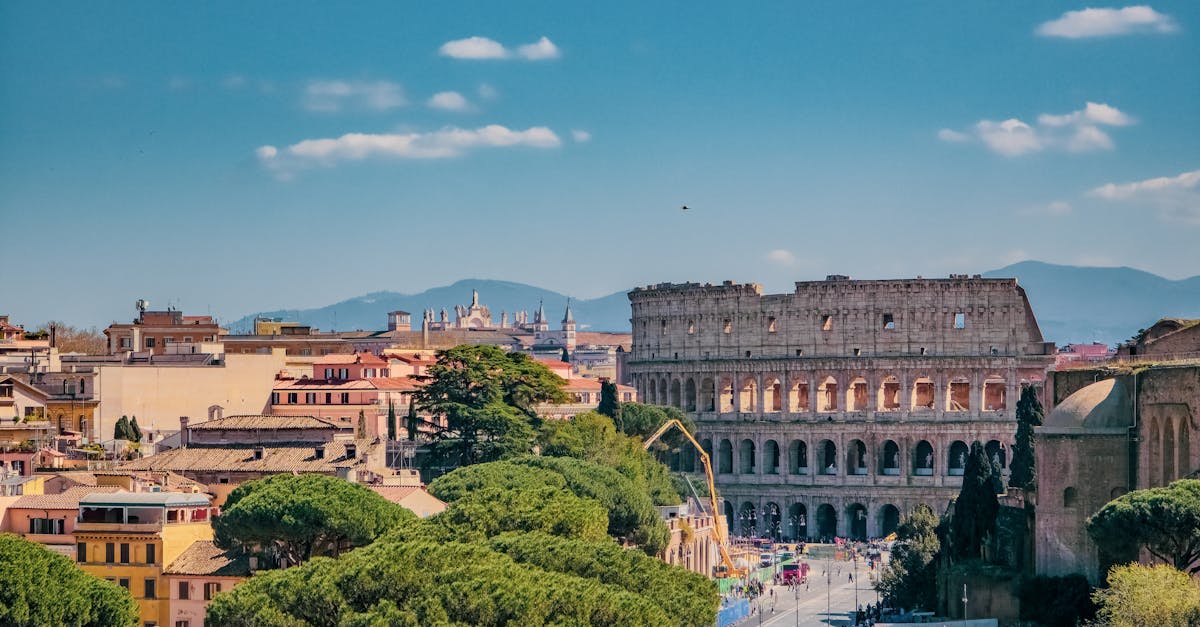 This photo was taken by Paolo Bici on Pexels.
Welcome to the heart of Italy, where ancient history breathes through every cobblestone and the scent of fresh espresso mingles with the aroma of blooming jasmine. As your local guide, I know that Rome is often reduced to a checklist of iconic landmarks, leaving travelers trapped in crowded queues and overpriced menus designed solely for outsiders. But the true magic of the Eternal City lies just beyond the tourist trail, in the quiet corners where Romans live, laugh, and dine. In this post, we will ditch the typical itineraries to uncover authentic culinary gems away from the Colosseum's shadow, discover secret gardens and hidden courtyards that have remained untouched by time, and share my insider secrets for mastering the metro so you can glide past the crowds like a true native. Get ready to experience Rome not as a visitor, but as one of us.
Dining Beyond the Colosseum: Where Romans Actually Eat
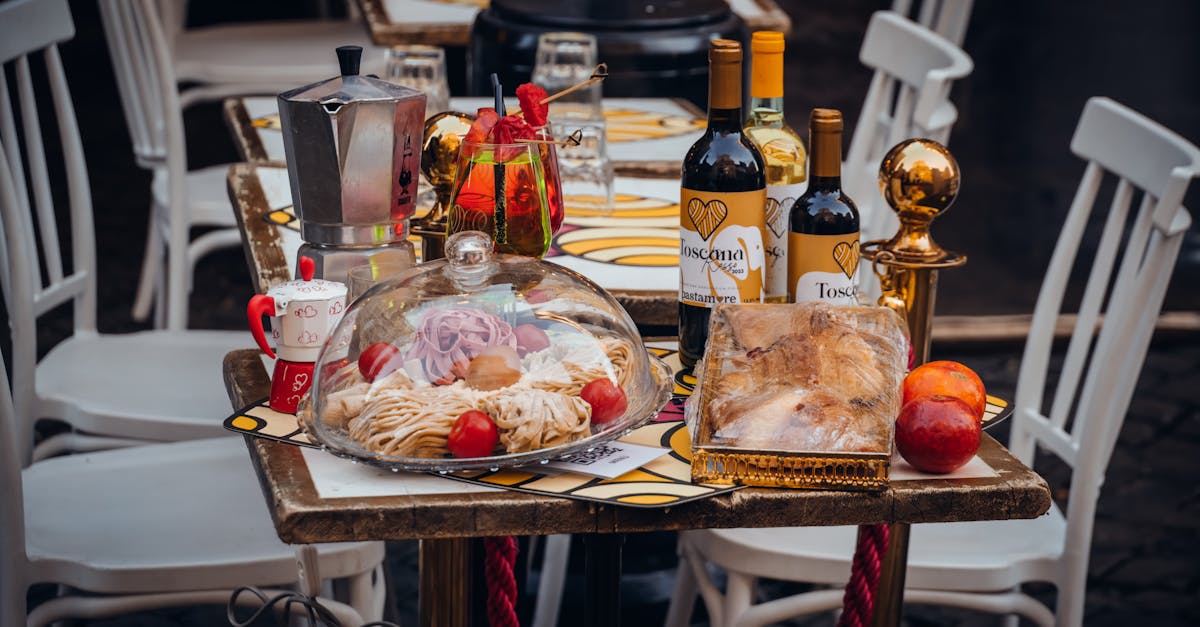 This photo was taken by Magda Ehlers on Pexels.
Secret Gardens and Hidden Courtyards Off the Beaten Path
While the Colosseum draws the crowds, the true soul of Rome often hides behind unassuming iron gates in the quieter neighborhoods of Trastevere and Monti. Seek out the Giardino degli Aranci on the Aventine Hill, where you can sit beneath ancient orange trees and enjoy a panoramic view of the city without the throngs of selfie sticks found at other viewpoints. For a more intimate experience, wander down to the tiny, flower-filled courtyard of Palazzo Corsini or peek through the wrought-iron bars of the Orto Botanico's lesser-known sections, where centuries-old botanical specimens whisper stories of papal gardens long forgotten by guidebooks.
Venturing beyond the major thoroughfares reveals a network of secret courtyards known as "cortili," which serve as serene oases away from the relentless urban noise. In the historic center, try to locate the hidden entrance near Via dei Coronari that leads to the Chiostro del Bramante's quiet annexes or explore the residential palazzos in Prati that open their doors only to those who know where to look. These secluded spaces, often adorned with crumbling frescoes and vibrant bougainvillea, offer a glimpse into the private domestic life of Romans, allowing you to savor the Eternal City not as a museum, but as a living, breathing home filled with unexpected beauty and tranquility.
 This photo was taken by Timberly Hawkins on Pexels.
Mastering the Metro: Navigating Rome Without the Crowds
Mastering the Metro: Navigating Rome Without the Crowds
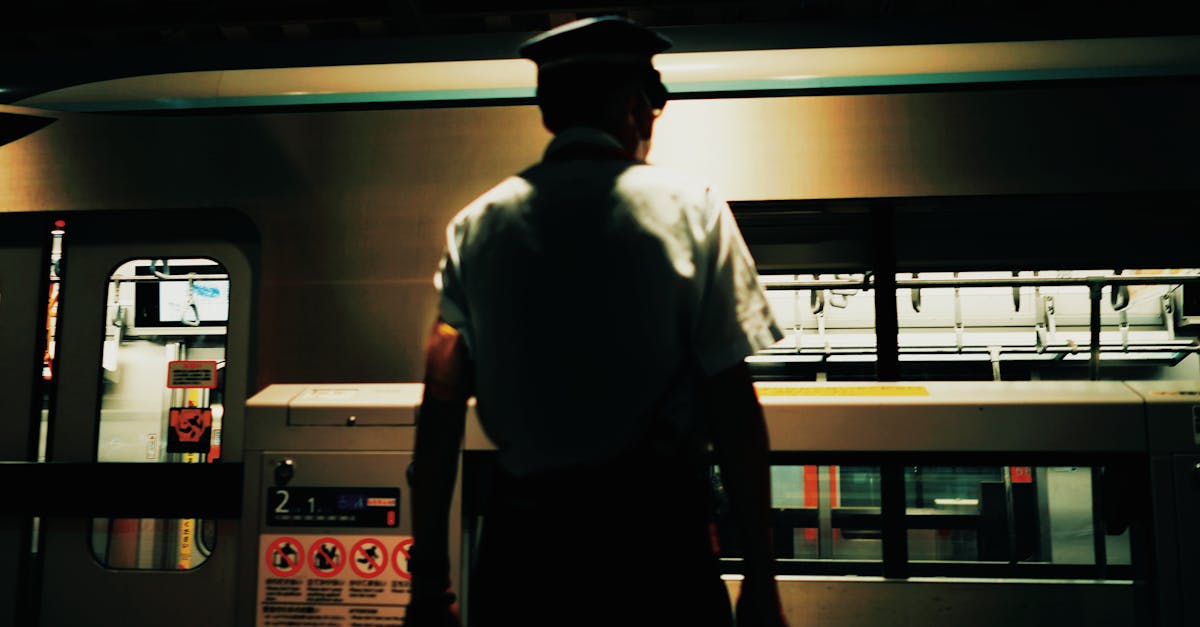
While the iconic Colosseum and Trevi Fountain draw the masses, the true rhythm of Rome beats along its two primary metro lines, A (orange) and B (blue), which offer a swift escape from the chaotic street-level traffic. To truly navigate like a local, avoid the rush hour peaks between 7:30 AM and 9:30 AM or 6:00 PM and 8:00 PM, when stations like Termini and Repubblica transform into human sardine cans. Instead, aim for mid-morning or early afternoon visits to these hubs, where you can board a train with relative ease and glide past the historic center in minutes rather than hours. Remember that Line B runs beneath the ancient city walls, offering glimpses of archaeological sites through tunnel windows, while Line A cuts through the modern heart of the city, connecting major shopping districts with surprising quietude if you know exactly where to stand on the platform.
For those seeking to bypass the subway entirely during peak tourist seasons, savvy locals often combine short walks with the efficient bus network, particularly routes 40 and 64, which provide a scenic, albeit sometimes slow, surface-level alternative to the underground crush. However, when time is of the essence, mastering the ticket validation process is your first step toward a stress-free journey; always remember to stamp your paper tickets at the green machines before boarding, as random inspections by uniformed officials are common and fines for fare evasion are strictly enforced. By planning your route around the less crowded termini of Battistini on Line A or Rebibbia on Line B, you can seamlessly transition between neighborhoods, discovering hidden cafes and artisan workshops that most tour groups simply zip past without ever noticing.
 This photo was taken by Süha on Pexels.