Rome Like a Local: Avoiding Tourist Traps and Finding Authentic Flavors
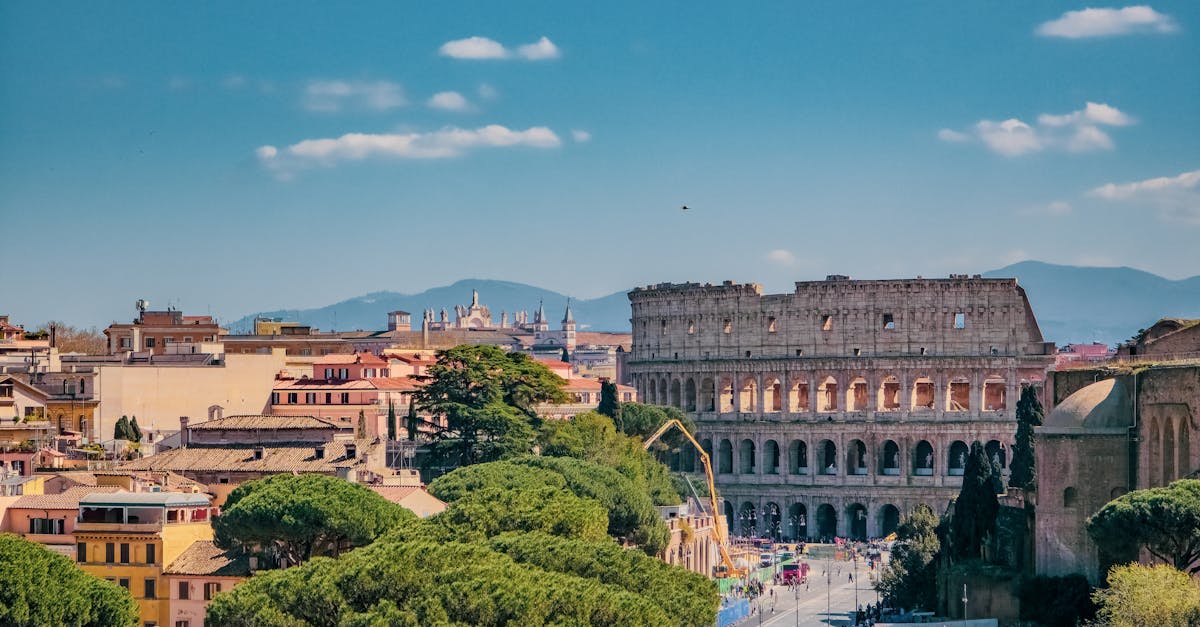 This photo was taken by Paolo Bici on Pexels.
Where Locals Actually Eat: Skipping the Trastevere Tourist Lines
While the cobblestone streets of Trastevere offer undeniable charm, they are often clogged with tourists waiting hours for a table at restaurants that serve generic carbonara and overpriced tiramisu. To truly experience Roman dining, venture just a few blocks north to the Testaccio neighborhood, once the city's slaughterhouse district and now its culinary heart. Here, you will find osterie where the menu changes based on what is fresh at the market, featuring iconic dishes like coda alla vaccinara (oxtail stew) and pajata (intestines in tomato sauce) that have been passed down through generations without any attempt to cater to foreign palates.Another excellent strategy is to explore the residential areas around San Lorenzo or along the Tiber banks near Ostiense, where locals gather after work for an aperitivo before heading home for a proper meal. In these neighborhoods, the atmosphere is relaxed and unpretentious, with families sharing plates of supplì (fried rice balls) and glasses of house wine while discussing their day. By skipping the main tourist thoroughfares, you not only avoid inflated prices but also immerse yourself in the genuine rhythm of Roman life, discovering hidden gems where the food tastes exactly as it has for centuries. This photo was taken by Erik Mclean on Pexels.
Hidden Gems in Rome's Historic Center: Beyond the Colosseum Crowds
While the Colosseum and Roman Forum draw millions, the true soul of Rome beats quietly in its narrow, cobblestone alleys where locals still gather for their morning espresso. Venture just a few blocks north from the Trevi Fountain to discover the Jewish Ghetto, a labyrinth of winding streets that feels worlds away from the bustling main thoroughfares. Here, you can witness the ancient tradition of fried artichokes being prepared right on the sidewalk, a dish that has been a staple since the 16th century, or get lost among the historic synagogues and hidden courtyards that have remained largely untouched by modern commercialization.
For those seeking a genuine culinary escape, skip the crowded trattorias near major monuments and instead explore the residential neighborhoods of Monti and Trastevere's quieter corners. In these districts, family-run osterias serve seasonal specialties like cacio e pepe or carbonara made with ingredients sourced from nearby markets, offering flavors that tell the story of centuries-old recipes passed down through generations. By wandering past the grand piazzas and into these intimate backstreets, you will find not just authentic food, but the warm hospitality and daily rhythm of Romans who call this historic heart home.
 This photo was taken by Hobi Photography on Pexels.
Navigating Rome Like a Resident: Smart Tips to Avoid Overpriced Scams
One of the most effective ways to navigate Rome like a true resident is to master the art of "coperto" and menu transparency. Many tourist traps in areas like Trastevere or near the Colosseum will lure you with pictures of pasta dishes that look nothing like what arrives at your table, often charging exorbitant fees for water or bread without prior disclosure. To avoid this, always check if the menu lists prices per item rather than just offering a "menu degustazione" without clear costs, and never hesitate to ask for the "carta dei prezzi" before sitting down. Remember that a genuine Roman trattoria rarely displays photos of food on the window; instead, look for places where locals are queuing outside or where the staff speaks Italian as their primary language, signaling an authentic experience free from predatory pricing.
Beyond dining, smart navigation involves bypassing the notorious taxi scams and unauthorized ticket sellers that plague major attractions. Never hail a cab off the street in high-traffic zones like Termini Station unless it is an official white taxi with a meter running visibly; otherwise, insist on using licensed apps like Free Now or Uber Black to ensure fixed rates. Similarly, when visiting sites such as the Vatican Museums or the Roman Forum, skip the touts selling "skip-the-line" tickets at a markup and purchase directly through the official websites well in advance. By planning your entry times online and sticking to designated public transport stops rather than unmarked vans, you not only save money but also immerse yourself in the city's rhythm, avoiding the chaotic pitfalls designed specifically for unsuspecting visitors.
 This photo was taken by Pixabay on Pexels.