Renaissance Secrets: Masterpieces Hidden in Small Towns
 This photo was taken by Josh Withers on Pexels.
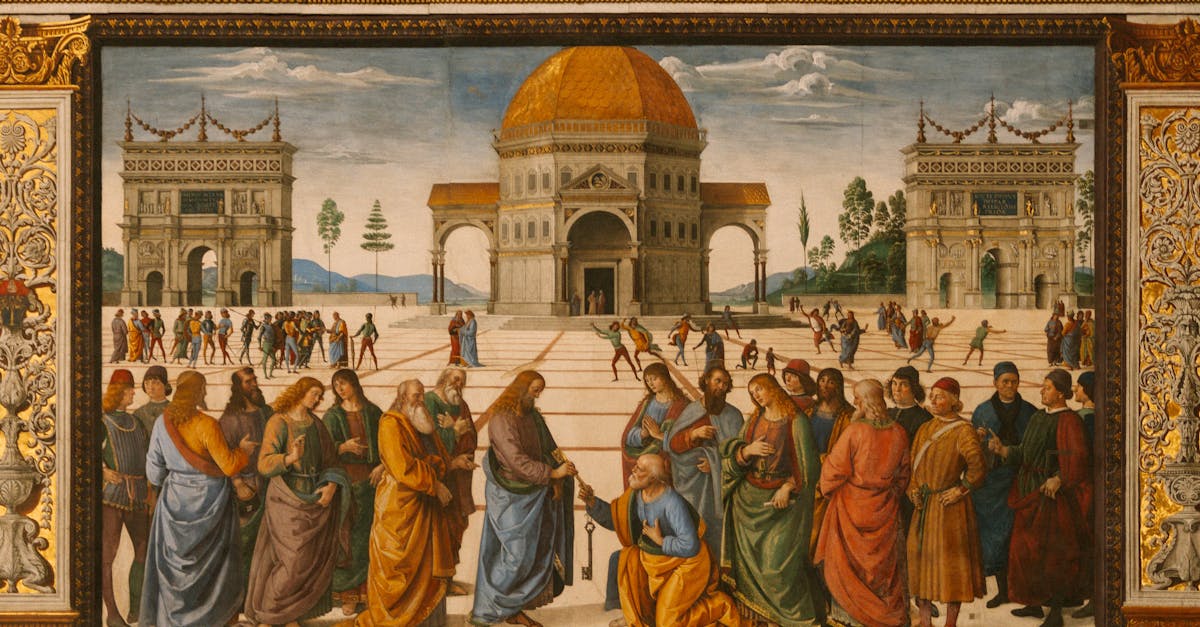
Beyond the bustling crowds of Florence and Rome lies a quieter, yet equally captivating side of Italian art history. In this journey through the heart of Tuscany and the Marche region, we uncover the Renaissance secrets tucked away in charming small towns where the giants of art once walked the streets. From the harmonious urban planning of Urbino to the architectural perfection of Pienza and the medieval towers of San Gimignano, discover how these hidden gems preserve the spirit of an era that changed the world forever.
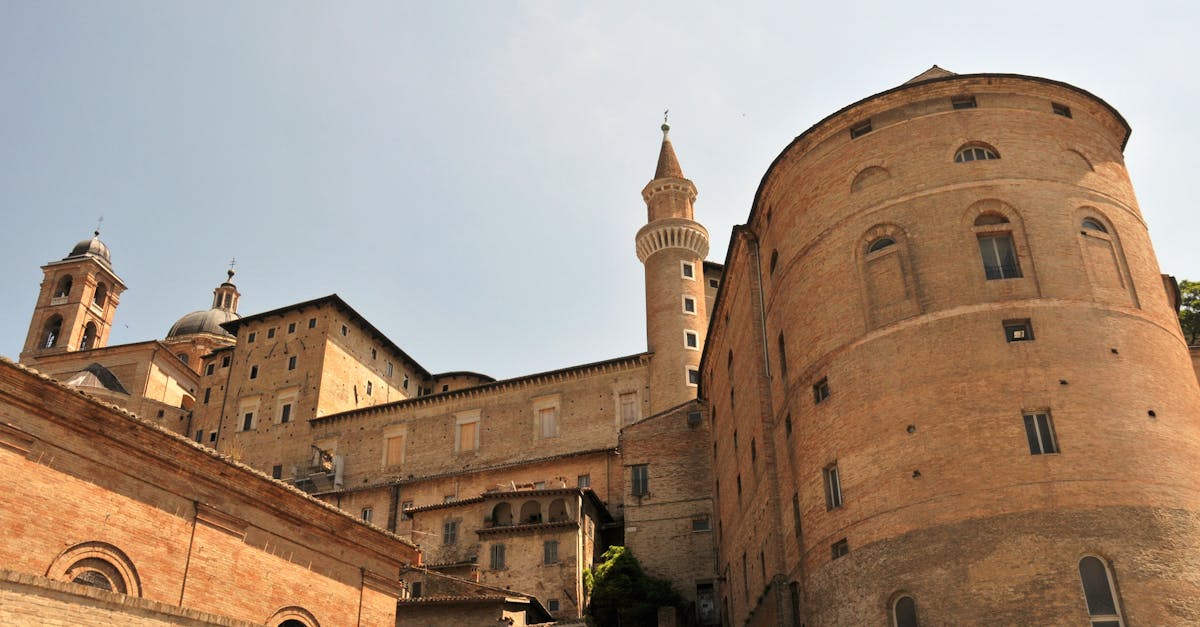
Urbino: Where the Perfect City Was Born
Step into the cobblestone streets of Urbino, a jewel nestled in the rolling hills of Marche that serves as the very cradle of the High Renaissance. Unlike the bustling crowds of Florence or Rome, this UNESCO World Heritage site offers an intimate journey through time, where every corner whispers the secrets of its most famous son, Raphael. As you wander past the majestic Palazzo Ducale, designed by Luciano Laurana and Francesco di Giorgio Martini, you will feel the profound influence of humanism that once defined the court of Federico da Montefeltro, a patron whose vision turned this small town into a beacon of art and intellect.
Immerse yourself in the atmosphere that inspired some of history's greatest masterpieces, from Raphael's iconic "Madonna of the Pearl" to the architectural harmony found in the city's churches and palazzos. The Ducal Palace itself stands as a testament to this golden age, housing a stunning library and a gallery filled with portraits that capture the essence of Renaissance elegance. For the discerning traveler seeking authentic cultural treasures away from the mainstream tourist trail, Urbino provides a rare opportunity to walk in the footsteps of giants and discover how a perfect city was born from the convergence of art, philosophy, and visionary leadership.
 This photo was taken by Daniele Riva on Pexels.
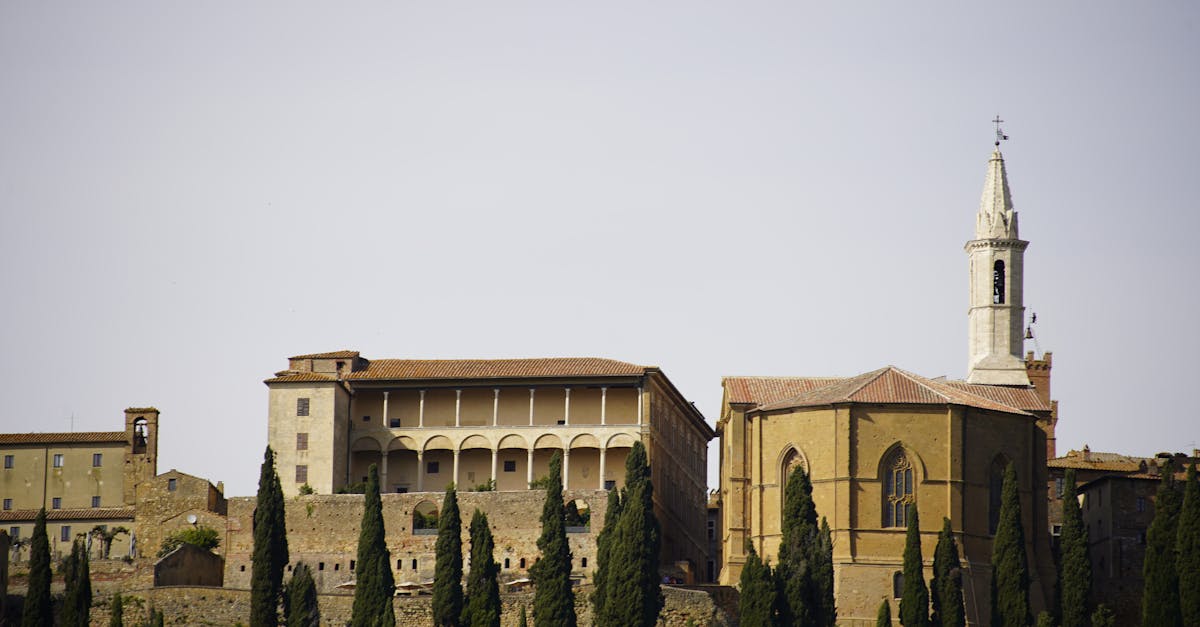
Pienza: The Renaissance Ideal in Stone
Nestled in the heart of the Val d'Orcia, Pienza stands as a breathtaking testament to Pope Pius II's visionary dream of creating "the ideal city of the Renaissance." Commissioned by the humanist pope himself in the 15th century, this small Tuscan gem was meticulously rebuilt by architects Bernardo Rossellino and Francesco di Giorgio Martini, transforming a humble medieval village into a harmonious masterpiece of urban planning. Every stone seems to whisper the ideals of symmetry, proportion, and classical beauty, with its perfectly aligned piazzas and elegant palazzos offering a living lesson in how art and architecture can shape a community.
As you wander through the town's narrow streets, the experience feels less like sightseeing and more like stepping inside a living painting, where the golden light of Tuscany bathes the warm travertine facades in an eternal glow. The centerpiece, Piazza Pio II, serves as an open-air salon where the Palazzo Piccolomini overlooks the Duomo, creating a visual dialogue that has inspired travelers for centuries. Beyond the architecture, Pienza invites you to savor its world-renowned pecorino cheese and enjoy panoramic views of rolling hills dotted with cypress trees, proving that sometimes the greatest masterpieces are not found in bustling metropolises, but in the quiet, perfected corners of Italy's countryside.
 This photo was taken by Giuseppe Di Maria on Pexels.
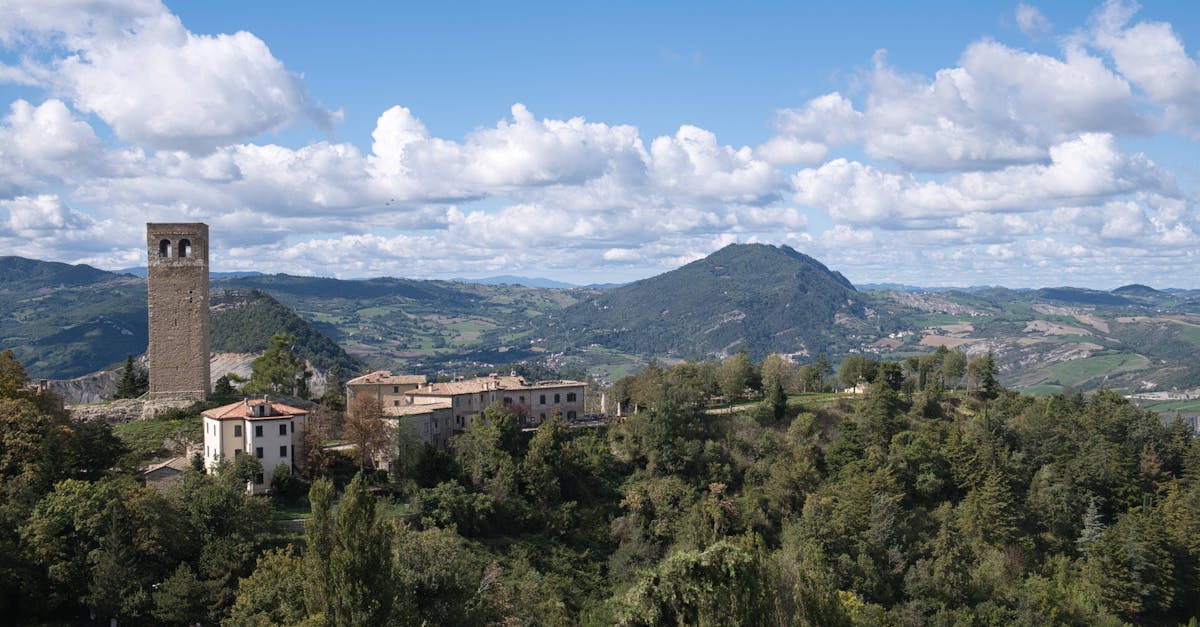
San Gimignano: A Walk Through Time
Stepping into San Gimignano feels less like visiting a town and more like walking through a preserved chapter of history, where the air still carries the whispers of medieval merchants and Renaissance artists. Perched atop its own hill in Tuscany, this UNESCO World Heritage site is famous for its soaring stone towers that once signaled the wealth and power of rival families, creating a skyline that rivals even Florence's. As you wander through the narrow, cobbled streets of the historic center, known as the Manhattan of the Middle Ages, you are surrounded by well-preserved palazzos and hidden chapels that showcase the transition from Gothic to Early Renaissance styles, offering an intimate glimpse into the daily lives of those who shaped Italian culture centuries ago.
Beyond the impressive architecture, the true secrets of San Gimignano lie in its quiet corners and the masterpieces waiting to be discovered within its walls. The Collegiate Church houses stunning frescoes by Ghirlandaio, which offer a rare look at the artistic brilliance that flourished when this small town was a major stop on the pilgrimage route to Rome. After exploring these sacred spaces, visitors can savor the local treasures, including the world-renowned saffron and the crisp Vernaccia wine produced just outside the city gates. It is a place where time seems to slow down, allowing travelers to connect deeply with the artistry and heritage that defined an era, proving that some of Italy's most profound stories are best told in its smallest, most charming towns.
 This photo was taken by Reinhard Bruckner on Pexels.