Practical Essentials: Visas, SIM Cards, and Etiquette for First-Time Visitors
 This photo was taken by Caique Araujo on Pexels.
Welcome to the heart of the Mediterranean, where ancient history, world-class art, and unparalleled culinary delights await every traveler. As your local guide, I know that while the dream of an Italian adventure is exciting, the logistics can sometimes feel overwhelming for first-timers. Whether you are planning a romantic getaway in Venice or a food tour through Tuscany, preparation is key to unlocking the true magic of this beautiful country. In this essential guide, we will demystify the entry process by breaking down Italy's Visa Requirements for Non-EU Travelers, ensuring your journey begins without a hitch. We'll also help you choose the best Italian SIM cards and data plans so you can stay connected and navigate with ease from Rome to the Amalfi Coast. Finally, let us walk you through the cultural Do's and Don'ts, empowering you to master Italian etiquette and immerse yourself authentically in the local way of life. Get ready to pack your bags; Italy is calling!
Navigating Italy's Visa Requirements for Non-EU Travelers
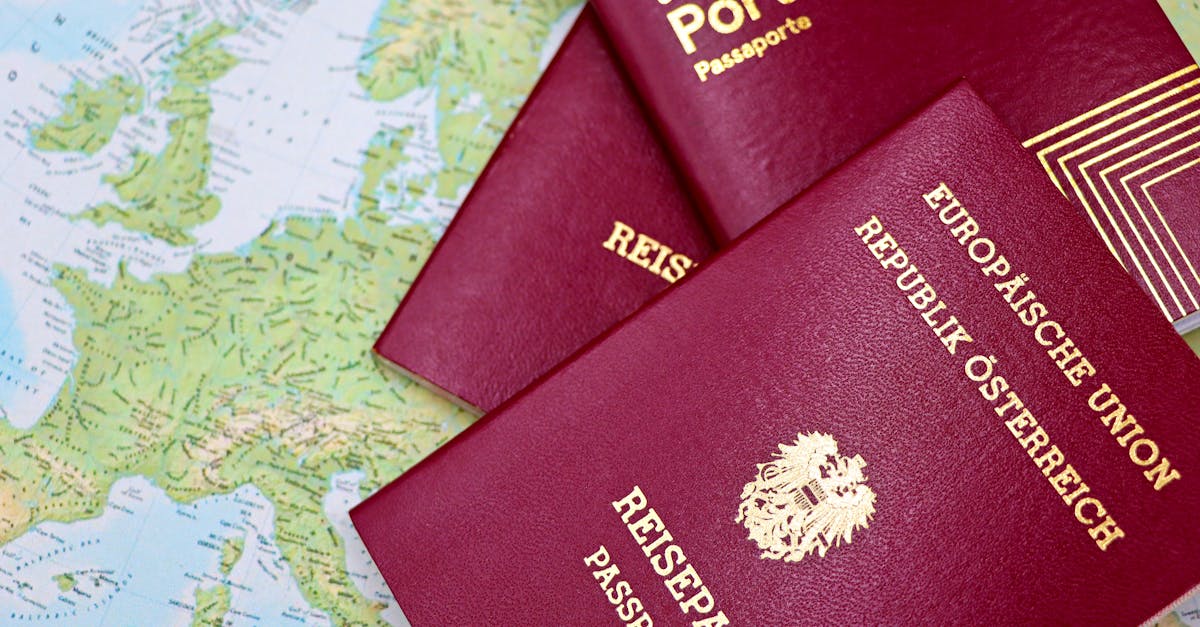
For non-EU travelers, understanding Italy's entry requirements is the first crucial step toward a seamless journey. As a member of the Schengen Area, Italy generally allows citizens from visa-exempt countries to stay for up to 90 days within any 180-day period for tourism or business without a visa; however, starting in late 2025, these visitors will need to obtain an ETIAS travel authorization prior to departure. It is vital to check your specific nationality against the official EU list well in advance, as some travelers may require a short-stay Schengen visa, which involves submitting an application at an Italian consulate with supporting documents like proof of accommodation and sufficient funds. Ensuring your passport remains valid for at least three months beyond your intended date of departure is equally important, as border officials are strict about this regulation.
Once you have secured the necessary permissions, navigating the actual border crossing becomes much smoother if you prepare your digital and physical documentation correctly. While immigration officers primarily verify your visa status or ETIAS approval, they may also ask for proof of onward travel, such as a return flight ticket, and evidence of where you will be staying during your visit. Many first-time visitors find it helpful to print out their confirmed hotel reservations or a detailed itinerary, even though these checks are becoming increasingly digital. By taking the time to organize these details before landing, you avoid unnecessary delays at customs and can immediately begin exploring the stunning landscapes and historic cities that await you across the boot-shaped peninsula.
 This photo was taken by Marta Branco on Pexels.
Staying Connected: Choosing the Best Italian SIM Cards and Data Plans
Navigating the beautiful streets of Italy becomes infinitely smoother when you have reliable internet access, making the choice of a local SIM card your first practical priority upon arrival. While many travelers rely on expensive international roaming plans from their home carriers, purchasing a prepaid Italian SIM card at the airport or any authorized store like TIM, Vodafone, WindTre, or Iliad offers significant savings and superior coverage. These providers offer flexible data packages ranging from daily passes for short trips to monthly unlimited options, often including generous amounts of 4G/5G data and minutes for local calls. To activate your SIM, remember that by law you must present a valid passport or ID card, so keep this document handy immediately after landing to avoid delays in getting online.Once connected, you will find that having a local number is not just about staying in touch with family but also essential for accessing various services, from booking last-minute train tickets via apps to using ride-sharing platforms like Uber or free Wi-Fi hotspots in public squares. Many tourists appreciate the ability to use popular messaging apps like WhatsApp without incurring extra charges, as it is the primary mode of communication for locals and businesses alike. However, be mindful that some rural areas may experience spotty signal strength compared to major cities, so checking coverage maps beforehand can help manage expectations. By securing an affordable data plan early in your journey, you ensure that you can effortlessly explore Italy's rich history and culture while remaining seamlessly connected throughout your adventure. This photo was taken by Bulat Khamitov on Pexels.
Cultural Do's and Don'ts: Mastering Italian Etiquette on Your First Trip
When navigating the vibrant streets of Italy, understanding local etiquette can transform a good trip into an unforgettable one. Always greet shopkeepers and restaurant staff with a polite "Buongiorno" or "Buonasera" upon entering; skipping this simple courtesy is often seen as rude by locals. Furthermore, respect the sacred Italian coffee culture: while cappuccinos are beloved in the morning, ordering one after 11 AM is a cultural faux pas that might raise an eyebrow, so switch to an espresso if you need your caffeine fix later in the day. Dressing appropriately is also key, especially when visiting religious sites like the Vatican or historic churches, where covering your shoulders and knees is strictly enforced to maintain decorum.
On the dining front, remember that meals are a social ritual meant to be savored, not rushed, so avoid asking for food to be boxed up immediately or demanding faster service, which can be interpreted as disrespectful to the chef's craft. Tipping is appreciated but not mandatory in the way it is in the United States; leaving small change or rounding up the bill is sufficient for good service, whereas leaving a large tip can sometimes seem odd. Finally, embrace the slow pace of life known as il dolce far niente; rushing through conversations or trying to squeeze too many activities into a single afternoon goes against the local rhythm, so take a deep breath, enjoy the moment, and let Italy guide your schedule rather than the other way around.
 This photo was taken by Giovanni Palma on Pexels.