Pompeii and Beyond: Exploring Ancient Ruins Without the Rush
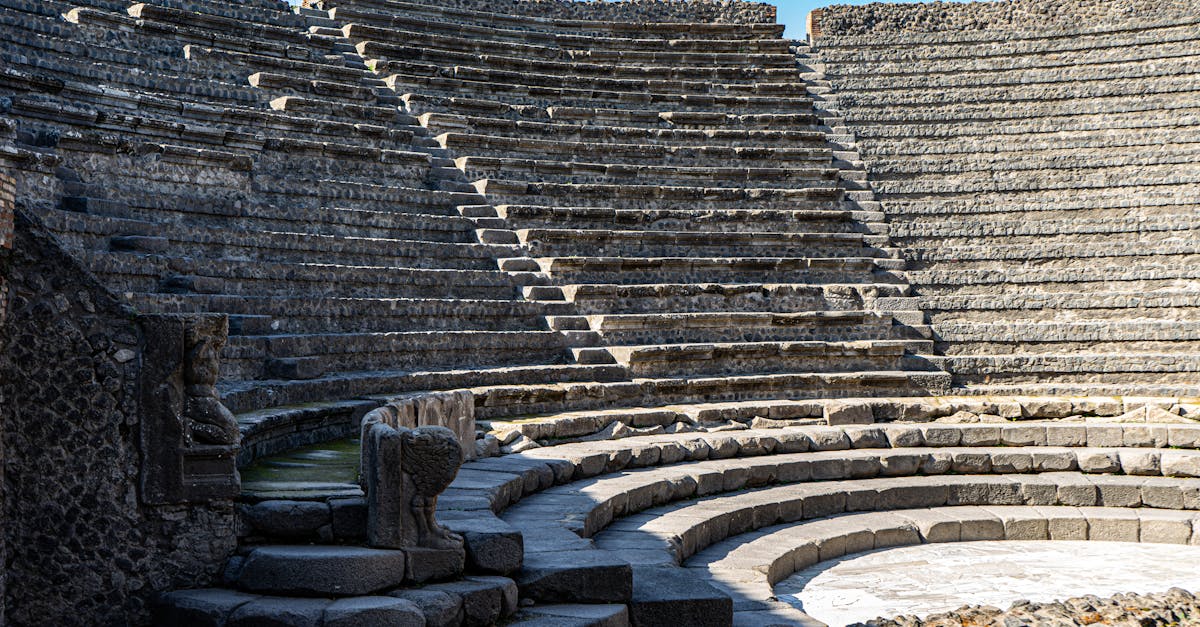 This photo was taken by Jiří Dočkal on Pexels.
Welcome to the heart of Italy's ancient soul, where time seems to stand still amidst the ash and stone. While the world often rushes through Pompeii, snapping photos in a blur, there is a profound magic waiting for those who choose to linger. In this post, we invite you to trade the hurried tour group pace for a slow, contemplative journey that reveals the true whispers of history. From the shadowed alleyways of Pompeii to the secluded treasures of Herculaneum and Stabiae, discover how pausing allows you to connect with the past on a deeper level. Join me as we explore the art of experiencing ancient Italy at your own pace, ensuring every step feels like a discovery rather than a checklist.
Step Into the Shadows: A Slow Walk Through Pompeii's Streets
Leave the bustling crowds behind and step into the hushed, shadowed streets of Pompeii, where time seems to have suspended itself in a moment of ancient stillness. As you wander past the worn cobblestones and towering columns, the midday sun casts long, dramatic shadows that reveal the true texture of this lost city, transforming the ruins from mere archaeological sites into a living narrative of daily life. In these quieter corners, away from the main thoroughfares, you can almost hear the echo of footsteps that once belonged to merchants, children, and families, inviting you to slow your pace and truly listen to the whispers of history that linger in the air.
This deliberate, unhurried exploration allows you to uncover the intimate details often missed in a hurried tour, such as the faded frescoes hidden in doorways or the intricate mosaic floors that once greeted guests with vibrant colors. By choosing a slower path through the labyrinthine alleys, you transform your visit from a simple sightseeing stop into a profound connection with the past, feeling the weight of centuries settle gently around you. It is in these moments of quiet reflection amidst the stones that the true spirit of Pompeii emerges, offering a sanctuary for contemplation far removed from the rush of modern tourism.
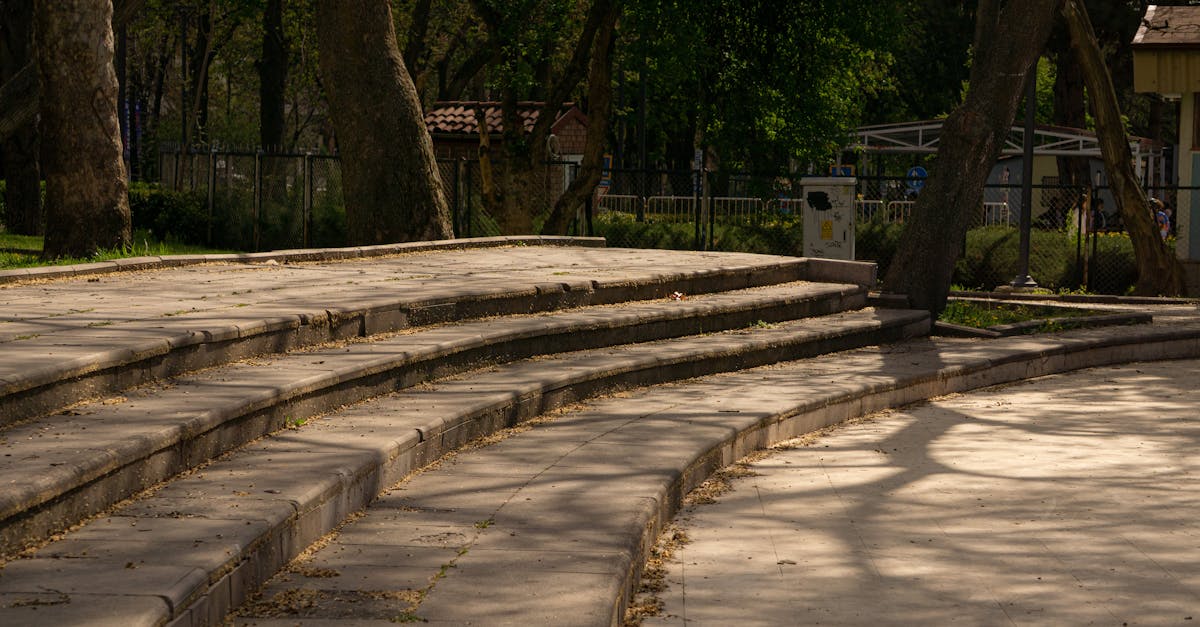 This photo was taken by Muhammed Hanefi on Pexels.
Beyond the Ruins: Hidden Gems in Herculaneum and Stabiae
While the grandeur of Pompeii often commands the spotlight, venturing just a few kilometers away to Herculaneum and Stabiae reveals a more intimate and remarkably preserved slice of ancient life. Unlike its larger neighbor, Herculaneum was buried rapidly under volcanic ash, sealing organic materials like wooden beams, food, and even scrolls that have long since vanished elsewhere; walking through its narrow streets feels less like touring a museum and more like stepping into a time capsule where you can almost hear the echoes of daily routines frozen in 79 AD. Further south lies Stabiae, an elegant resort town perched on cliffs overlooking the Bay of Naples, where the ruins are interspersed with lush gardens and offer breathtaking views that were once enjoyed by Roman patricians seeking respite from the city heat.
Exploring these lesser-known sites offers a serene escape from the crushing crowds that often overwhelm Pompeii, allowing visitors to truly absorb the architectural beauty and historical significance without the rush. The excavations at Stabiae, particularly the Villa San Marco and Villa Arianna, showcase stunning frescoes in pristine condition, providing a glimpse into the lavish lifestyle of the elite that complements the more modest dwellings found in Herculaneum. By dedicating time to these hidden gems, travelers gain a deeper, more nuanced understanding of the region's rich heritage, discovering how different communities adapted to their environments before the fateful eruption, all while enjoying the tranquil atmosphere that makes these archaeological treasures feel uniquely personal and profoundly moving.
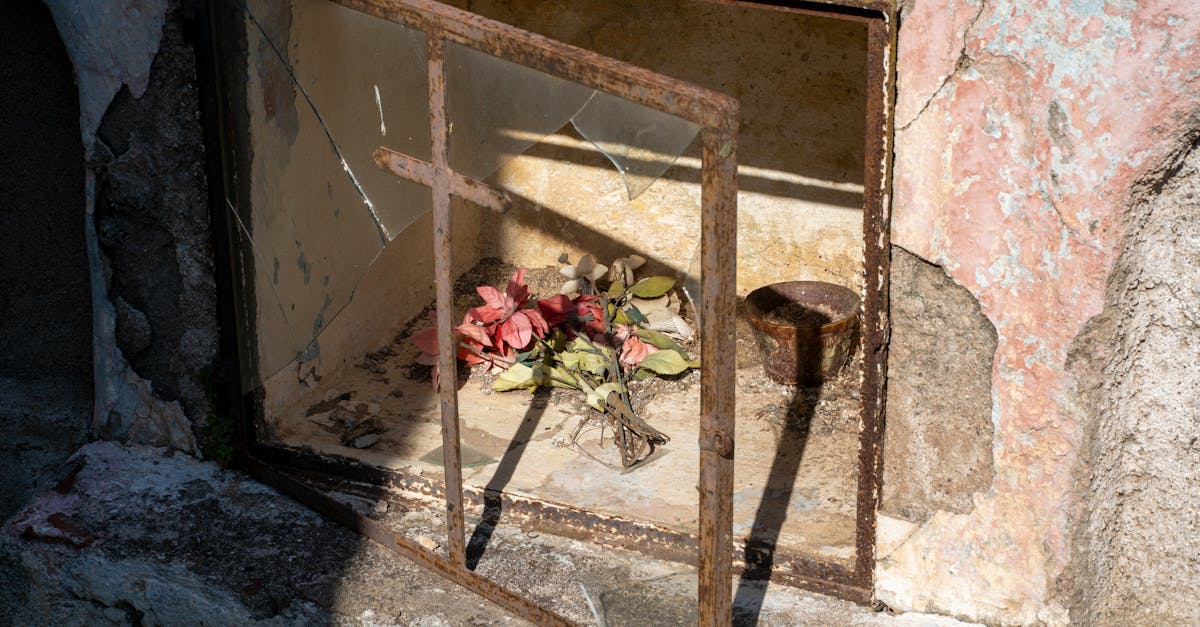 This photo was taken by Tomás Asurmendi on Pexels.
The Art of Pausing: How to Experience Ancient Italy at Your Own Pace
In the shadow of Vesuvius, the true magic of Pompeii unfolds not in the frantic ticking of a tour group's schedule, but in the quiet moments where time seems to stand still. Imagine wandering through the Forum at dawn when the crowds have yet to arrive, allowing the golden light to caress the weathered columns and reveal the intricate frescoes that have survived two millennia. Instead of rushing from one archaeological site to the next, take the liberty to sit on a sun-warmed stone bench in the amphitheater or trace your fingers along the grooves left by ancient carts in the cobblestone streets. This deliberate slowing down transforms a simple historical visit into a profound conversation with the past, letting you hear the whispers of daily life rather than just reading the facts on a placard.
This philosophy of "pausing" extends far beyond the walls of Pompeii, inviting you to discover the lesser-known ruins scattered across the Italian countryside, such as the serene temples of Paestum or the mysterious Etruscan necropolises near Tarquinia. By embracing an unhurried pace, you gain the freedom to explore these hidden gems without the pressure of a fixed itinerary, perhaps stopping for a slow lunch in a nearby village before continuing your journey. The art of experiencing ancient Italy lies in surrendering to the rhythm of the land itself; it is in these pauses that you truly connect with the enduring spirit of the civilization that once thrived here, creating memories that linger long after you have left the stones behind.
 This photo was taken by Erik Mclean on Pexels.