Planning the Perfect Two-Week Italian Road Trip Through the Dolomites
 This photo was taken by K on Pexels.
Welcome, fellow wanderers! There is a unique magic in the Italian Dolomites that transforms a simple road trip into an unforgettable journey through towering limestone peaks, emerald valleys, and charming mountain villages. Imagine cruising along winding alpine passes with the crisp air filling your car, where every turn reveals a new panorama of dramatic beauty straight out of a fairy tale. Whether you are chasing the golden light of sunrise at Tre Cime di Lavaredo or seeking the quiet serenity of hidden lakes like Braies, this guide is your essential companion for crafting the ultimate two-week adventure.
In this post, we will help you chart a seamless route from the historic canals of Venice to the highest Alpine peaks, ensuring you don't miss the region's most spectacular highlights while uncovering those secret spots known only to locals. We will also share crucial practical tips for navigating Italy's mountainous roads safely, so you can focus entirely on the breathtaking views ahead. Get ready to pack your bags and prepare for the drive of a lifetime!
Charting Your Route: From Venice to the Alpine Peaks
Embarking on your journey from the floating canals of Venice to the jagged granite spires of the Dolomites offers a dramatic shift in landscape that sets the perfect tone for your Italian adventure. After navigating the narrow waterways and historic streets of Venice, you will soon find yourself behind the wheel, heading north along the scenic SS13 or A27 motorway where the flat Venetian plains gradually give way to rolling vineyards and the first whispers of the Alps. This initial leg of the drive is not merely transit; it is a gradual ascent into a world where architecture meets nature, allowing you to witness the transition from Renaissance artistry to raw geological wonder as you approach the foothills of the Tre Cime di Lavaredo.
Once you have crossed the mountain passes and entered the heart of the Dolomites, your route transforms into an exploration of high-altitude meadows and glacial lakes that seem plucked from a fairy tale. The roads here, such as the famous Stelvio Pass or the winding routes through Val Gardena, demand your full attention but reward you with breathtaking vistas that change with every curve. As you chart your course toward the Alpine peaks, remember to plan frequent stops at small mountain villages like Ortisei or Cortina d'Ampezzo, where traditional Ladin culture thrives alongside modern luxury, ensuring that your two-week road trip balances thrilling drives with moments of serene cultural immersion amidst Italy's most majestic mountains.
 This photo was taken by Erik Mclean on Pexels.
Must-See Highlights and Hidden Gems of the Dolomites
The Dolomites offer a breathtaking tapestry of limestone peaks that seem to defy gravity, making them an essential stop on any Italian road trip. No visit is complete without witnessing the dramatic sunrise at Tre Cime di Lavaredo, where the rock faces ignite in fiery hues of pink and gold, or taking the cable car up to Seceda for panoramic views that stretch across three valleys. For those seeking iconic landmarks, the Sella Ronda ski circuit transforms into a scenic driving loop in summer, allowing you to circle this massive mountain massif while passing through charming alpine villages like Corvara and Arabba. These world-famous highlights provide the majestic backdrop that defines the region's unique UNESCO World Heritage status.
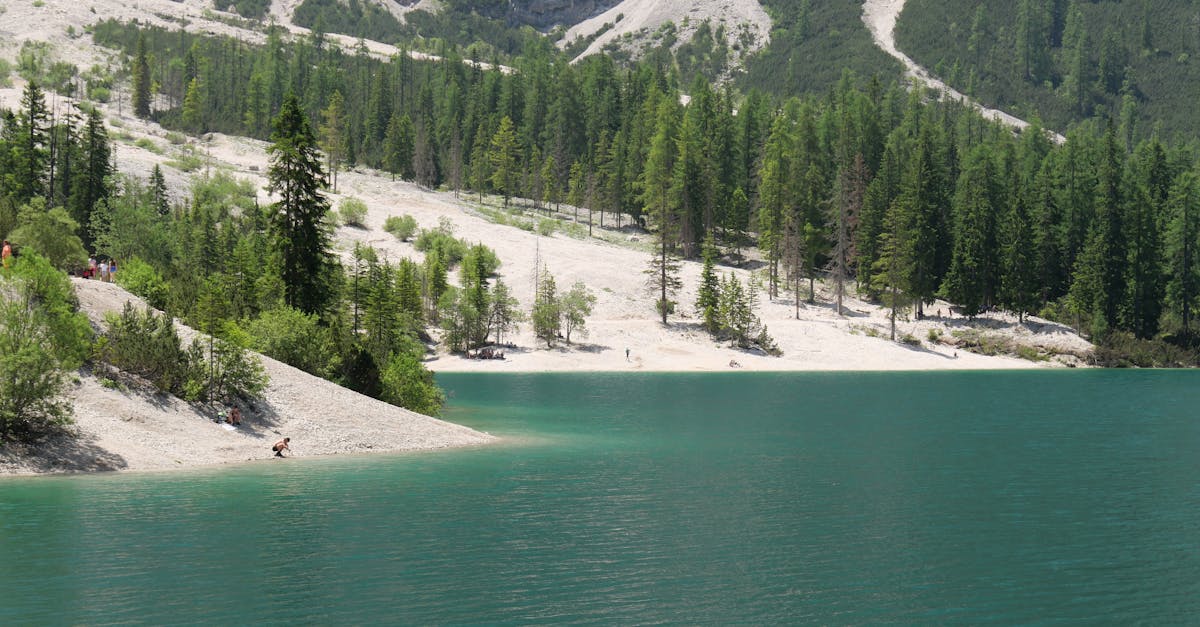
Beyond the postcard-perfect summits lie hidden gems that offer a more intimate connection with the local culture and nature. Venture off the main highways to discover the serene Lago di Braies, often called the "Pearl of the Dolomites," where you can rent a wooden rowboat at dawn to avoid the crowds. Further north, the Val di Funes presents a fairy-tale landscape featuring the ancient St. John Church set against the Odle group, perfect for a quiet picnic by the stream. For true adventurers, the secluded Rifugio Nuvolau offers a challenging hike rewarded with a view over the vast Alpe di Siusi plateau, providing a peaceful retreat away from the bustling tourist trails and a chance to taste authentic South Tyrolean cuisine in a rustic mountain hut.
 This photo was taken by Dirk Pothen on Pexels.
Practical Tips for Driving in Italy's Mountainous Regions
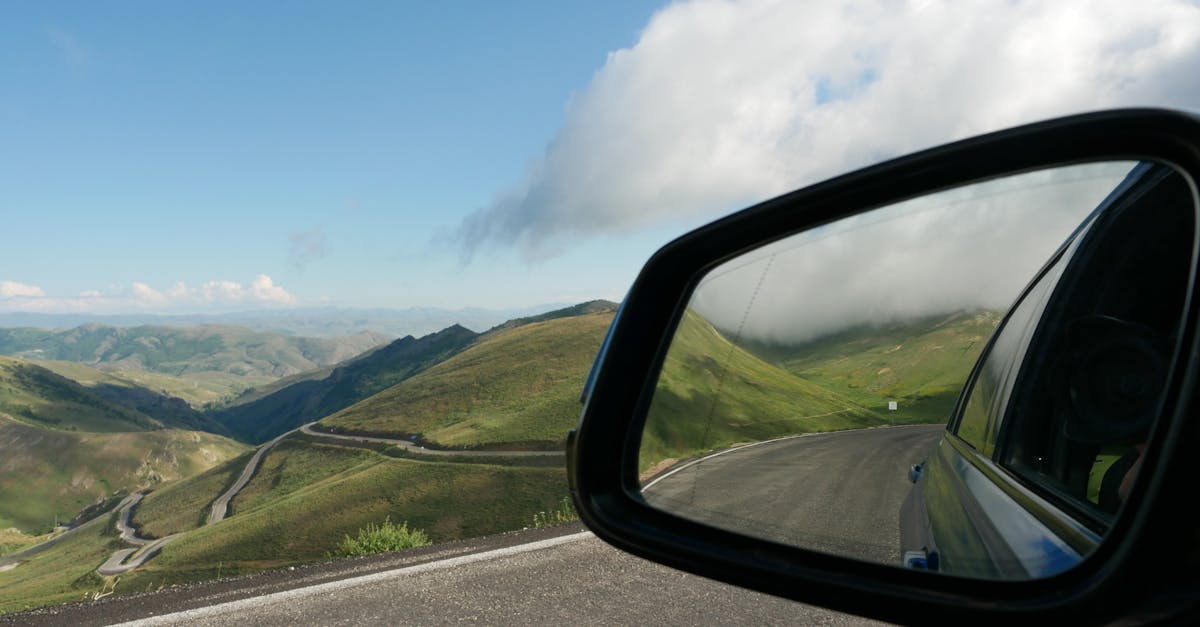
Navigating the winding passes of the Dolomites requires a blend of patience and preparation, as many roads are narrow, steep, and often lack guardrails on sheer drop-offs. It is essential to rent a smaller car with good handling capabilities, as larger vehicles can struggle on tight hairpin turns common in areas like the Sella Pass or the Stelvio. Always keep an eye out for local signage indicating seasonal restrictions; some high-altitude routes may close entirely during winter snows or open only in summer months, so checking current conditions with your hotel concierge or local tourism office before setting out each day is crucial for safety.
Beyond vehicle choice, mastering the rhythm of mountain driving means respecting local customs and road etiquette. You will frequently encounter slow-moving trucks or cyclists ascending the slopes, so resist the urge to overtake aggressively unless you have a clear, long stretch of straight road with ample visibility. Additionally, fuel stations become scarce once you venture deep into the valleys, so make it a rule to top up your tank whenever you see one, rather than waiting until the needle hits empty. Finally, remember that "ZTL" (Limited Traffic Zones) exist even in small mountain towns, and entering them without a permit can result in heavy fines, so park in designated lots outside the historic centers and explore on foot to fully immerse yourself in the alpine atmosphere.
 This photo was taken by Fatih Turan on Pexels.