Pasta Perfection: A Beginner's Guide to Regional Italian Dishes
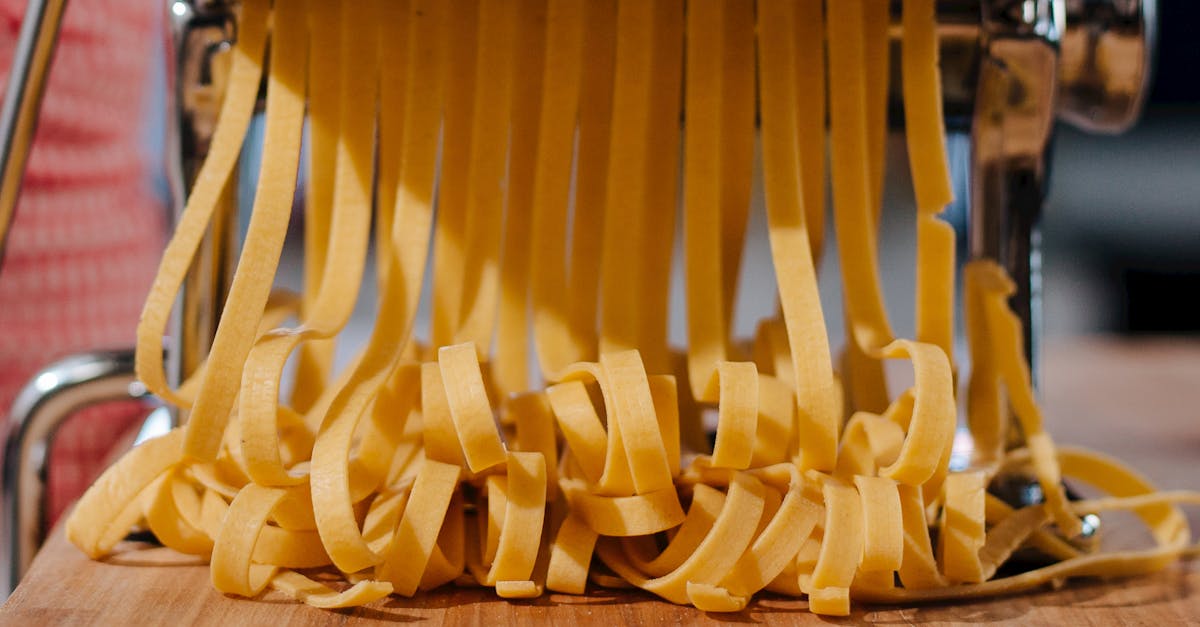 This photo was taken by Ron Lach on Pexels.
The North's Creamy Delights: Risotto and Gnocchi
Venturing into the lush, mist-covered valleys of Northern Italy reveals a culinary landscape where rice and potatoes take center stage, creating some of the region's most comforting staples. Here, Risotto is not merely a side dish but an art form perfected over centuries, demanding patience as Arborio or Carnaroli grains are slowly toasted and then coaxed into a creamy consistency with rich stocks, white wine, and generous amounts of butter and Parmigiano-Reggiano. Whether it is the golden saffron-infused Risotto alla Milanese from Lombardy or the earthy porcini mushroom risotto found in Piedmont, this dish offers a luxurious texture that stands in stark contrast to the al dente pasta of the south, embodying the region's affinity for dairy and slow-cooked elegance.
Complementing these rice dishes are the pillowy clouds of Gnocchi, which serve as the ultimate comfort food in the Alpine foothills and Veneto regions. Unlike their southern counterparts made primarily from wheat flour, Northern gnocchi often embrace potato as the star ingredient, resulting in a tender, melt-in-your-mouth experience that pairs beautifully with robust sauces. You will frequently find them tossed in a velvety sage and browned butter sauce, known as "Gnudi," or smothered in a hearty meat ragù that has simmered for hours. These dumplings represent the rustic soul of the North, transforming simple ingredients like potatoes and flour into a sophisticated dining experience that captures the essence of Italian hospitality.
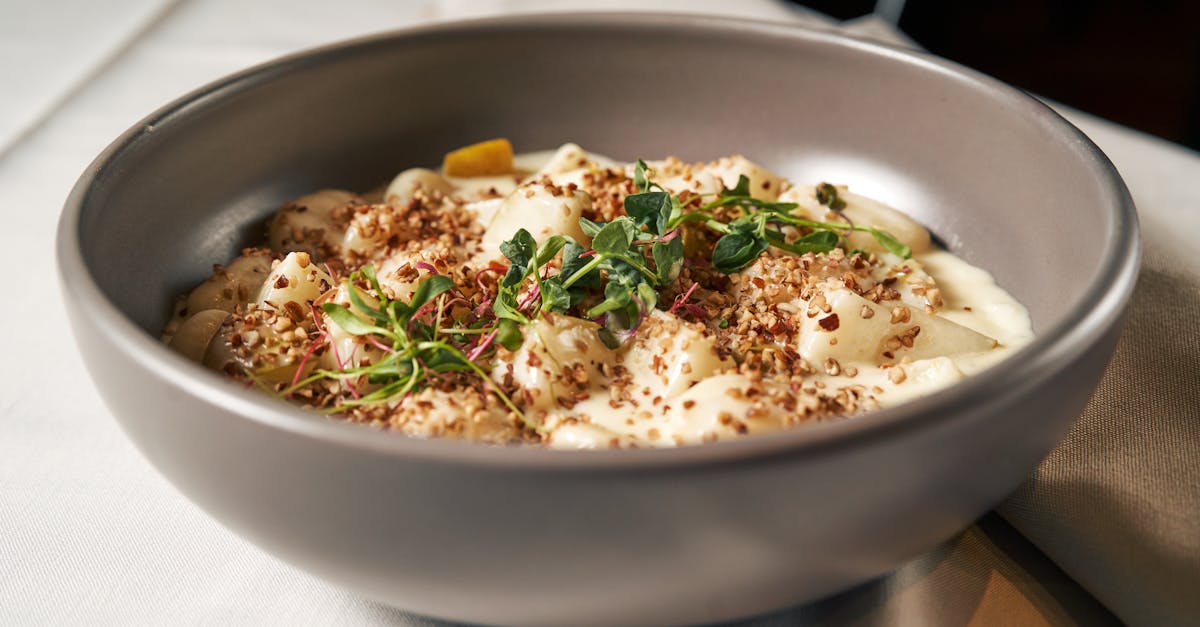 This photo was taken by Willians Huerta on Pexels.
Central Italy's Heart: The Art of Carbonara and Cacio e Pepe
Traveling through the rolling hills of Lazio, you will discover that Central Italy's culinary soul is defined by a masterclass in simplicity: the art of Carbonara and Cacio e Pepe. These iconic Roman dishes prove that perfection lies not in complexity, but in the precise alchemy of just a few high-quality ingredients. In a true Carbonara, there is no cream; instead, guanciale (cured pork jowl) renders its fat to create a silky base for eggs and Pecorino Romano cheese, which emulsify into a golden sauce when tossed with hot pasta off the heat. Similarly, Cacio e Pepe relies entirely on the marriage of sharp pecorino and cracked black pepper, requiring the cook to manage starch water temperatures with surgical precision to avoid clumping. To taste these dishes in their birthplace is to understand the Italian philosophy that humble components, treated with respect and skill, can yield an unforgettable dining experience.
Mastering these recipes offers more than just a delicious meal; it provides a cultural gateway into the history of Rome's working-class roots, where resourcefulness was born from necessity. As you wander through the historic center of Rome or the quiet trattorias of Umbria, watching a local chef whisk the egg mixture over residual heat demonstrates a technique passed down through generations. The aroma of sizzling guanciale or the pungent, nutty scent of toasted pepper instantly transports you to the heart of the region, inviting you to slow down and savor every bite. Whether you are dining at a bustling osteria or attempting to recreate these flavors in your own kitchen, embracing the "art" behind Carbonara and Cacio e Pepe ensures you appreciate the delicate balance that makes Central Italian cuisine so enduringly beloved by food lovers worldwide.
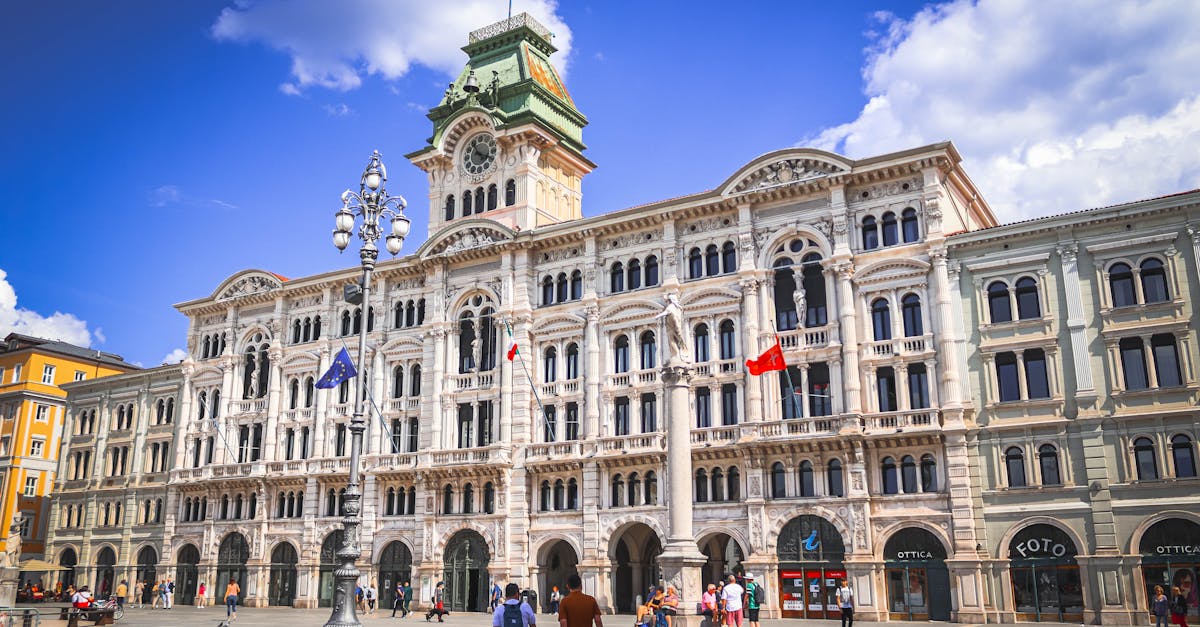 This photo was taken by Lorenza Magnaghi on Pexels.
Southern Soul: Hearty Ragùs and Fresh Seafood Pastas
When your journey takes you south of Rome, the culinary landscape transforms into a vibrant tapestry of sun-drenched flavors and robust traditions. Here, ragù is not merely a sauce but a labor of love, simmering for hours until the meat melts into the tomato base, creating a rich, velvety coating perfect for tagliatelle in Naples or orecchiette in Puglia. Unlike the delicate sauces of the north, these hearty preparations embrace bold garlic, fresh basil, and sometimes a splash of local red wine, offering a soul-warming experience that defines the region's comfort food. Whether you are dining in a bustling trattoria in Sicily or a quiet village in Calabria, each bite tells a story of generations passing down recipes that celebrate the earth's bounty.
Beyond the land lies the coast, where the rhythm of the sea dictates the menu with an abundance of incredibly fresh seafood pastas that showcase Italy's maritime heritage. From the spicy 'nduja-infused squid ink pasta of Calabria to the light, lemony linguine with clams along the Amalfi Coast, these dishes rely on simplicity and quality ingredients to shine. The ocean breeze often accompanies the meal as chefs toss al dente noodles with prawns, mussels, and calamari, finished with a drizzle of extra virgin olive oil and a squeeze of local citrus. This coastal cuisine offers a refreshing counterpoint to the heavy ragùs inland, inviting travelers to savor the pure, briny essence of the Mediterranean in every forkful.
 This photo was taken by Jean-Paul Wettstein on Pexels.