Pasta Perfection: A Beginner's Guide to Italian Pasta Shapes and Sauces
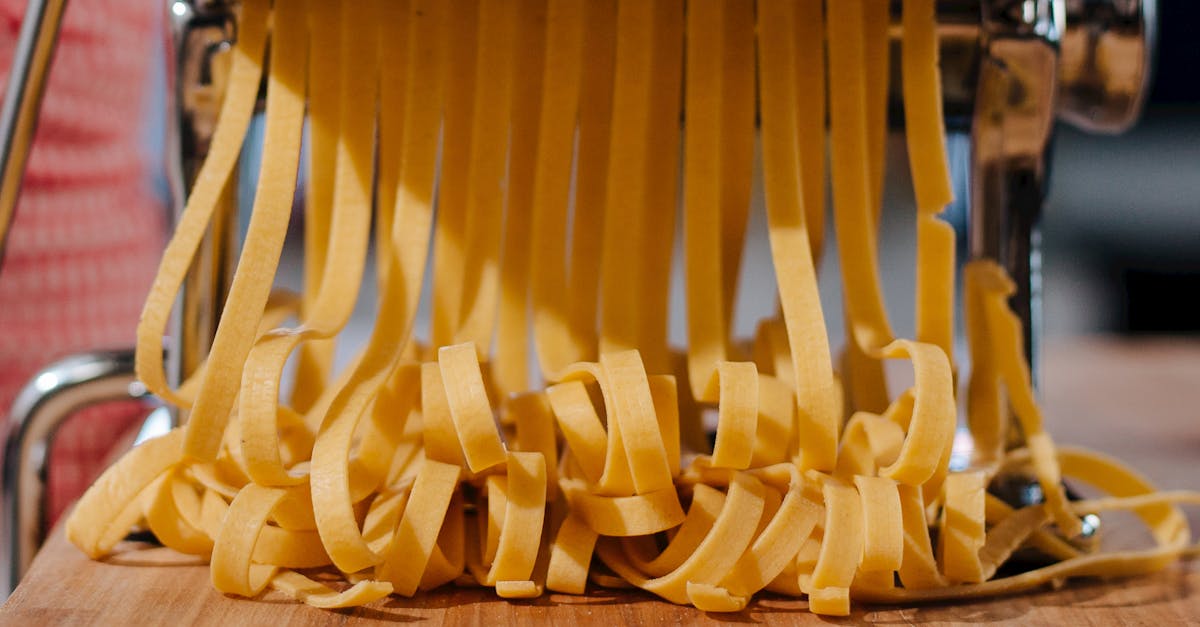 This photo was taken by Ron Lach on Pexels.
Bentornato, travelers! If there is one universal language spoken in every corner of Italy, from the bustling streets of Rome to the sun-drenched hills of Tuscany, it is undoubtedly pasta. Yet, for many visitors, the vast array of shapes and the specific rules governing their pairing with sauces can feel like a culinary maze. Fear not! This guide is designed to transform you from a curious tourist into a confident pasta connoisseur. Whether you are standing before a mountain of spaghetti in a trattoria or trying to decide between fusilli and penne, we will demystify the art of Italian dining. Join us as we explore the great divide between long and short noodles, uncover the secrets behind perfect sauce pairings, and taste our way through iconic regional specialties that define this beloved dish.
The Great Divide: Long vs. Short Pasta
In the grand theater of Italian cuisine, the choice between long and short pasta is far more than a matter of personal preference; it is a fundamental rule of culinary engineering designed to maximize flavor absorption. Long strands like spaghetti, linguine, and fettuccine are the ideal partners for oil-based, creamy, or delicate tomato sauces that coat the surface evenly. When you twirl these noodles on your fork, the sauce clings smoothly to every strand, ensuring a harmonious bite where the texture of the pasta complements the silkiness of the sauce without overwhelming it.
Conversely, short shapes such as penne, rigatoni, fusilli, and orecchiette are engineered to capture chunky, hearty ingredients within their nooks, crannies, and ridges. Whether it is a robust ragù with minced meat, a vibrant pesto with basil leaves, or a vegetable-laden arrabbiata, the geometry of short pasta traps the solids so that every forkful delivers a balanced explosion of flavors. This structural diversity ensures that whether you are dining in a rustic trattoria in Rome or a seaside taverna in Naples, the perfect pairing of shape and sauce elevates the dish from simple sustenance to an unforgettable gastronomic experience.
 This photo was taken by Marcelo Verfe on Pexels.
Sauce Pairing Secrets Every Traveler Should Know
Understanding the ancient rule of legame, or binding, is the first step to mastering Italian dining. In Italy, pasta shapes are not merely decorative; they are engineered to trap specific sauces and textures. For instance, when you visit a rustic trattoria in Tuscany, you will often see thick, short shapes like rigatoni or pappardelle served with hearty meat ragus that cling to their ridges and wide surfaces. Conversely, delicate long strands such as spaghetti or fettuccine are best paired with lighter, oil-based emulsions like cacio e pepe or simple tomato sauces that coat each strand evenly without overwhelming the grain. This symbiotic relationship ensures that every bite delivers a harmonious balance of flavor and texture.
As a traveler exploring the diverse regions of Italy, remember that regional traditions dictate the perfect pairing just as much as personal taste does. In the coastal cities of Liguria, you will find trenette or trofie lovingly tossed with vibrant pesto Genovese, where the grooves of the pasta hold onto the basil and pine nut mixture perfectly. Meanwhile, in the south, sturdy tubes like orecchiette from Puglia are traditionally paired with chunky broccoli rabe and sausage, allowing the sauce to nestle into the ear-like indentations. By observing these local customs and asking your server for the "traditional" preparation, you unlock the true essence of Italian cuisine, transforming a simple meal into an authentic cultural experience that honors centuries of culinary wisdom.
 This photo was taken by Engin Akyurt on Pexels.
Regional Specialties: From Carbonara to Pesto
While the world often associates Italian pasta with a single iconic dish, the true magic lies in how specific regions have crafted sauces to perfectly complement their local shapes. In Rome, the capital of Lazio, you will find Carbonara, a creamy yet light sauce made strictly from eggs, Pecorino Romano cheese, guanciale (cured pork jowl), and black pepper, traditionally tossed with long strands like spaghetti or rigatoni. Moving westward to the Ligurian coast, the climate shifts the flavor profile entirely; here, Pesto Genovese reigns supreme, a vibrant emulsion of fresh basil, pine nuts, garlic, Parmigiano-Reggiano, and generous amounts of olive oil, which clings best to trofie or trenette. Understanding these regional pairings is essential, as each sauce was historically designed to hug the unique texture and geometry of its native pasta shape.
Exploring Italy's culinary map reveals that even within pasta categories, there are distinct variations that reflect local ingredients and traditions. For instance, while Northern Italy favors rich, butter-based sauces like those found in Emilia-Romagna with tagliatelle and ragù, Southern regions lean heavily on the acidity of tomatoes and the heat of chili peppers, perfect for orecchiette or cavatelli. From the seafood-infused linguine alle vongole of Naples to the earthy mushroom sauces of Tuscany served over pappardelle, every bite tells a story of the land it came from. As a traveler, embracing these regional specialties allows you to taste the authentic diversity of Italian cuisine, transforming a simple meal into a journey through the country's most beloved landscapes and histories.
 This photo was taken by Loic Van Montagu on Pexels.