Packing for Italy: What to Wear in Summer vs. Winter
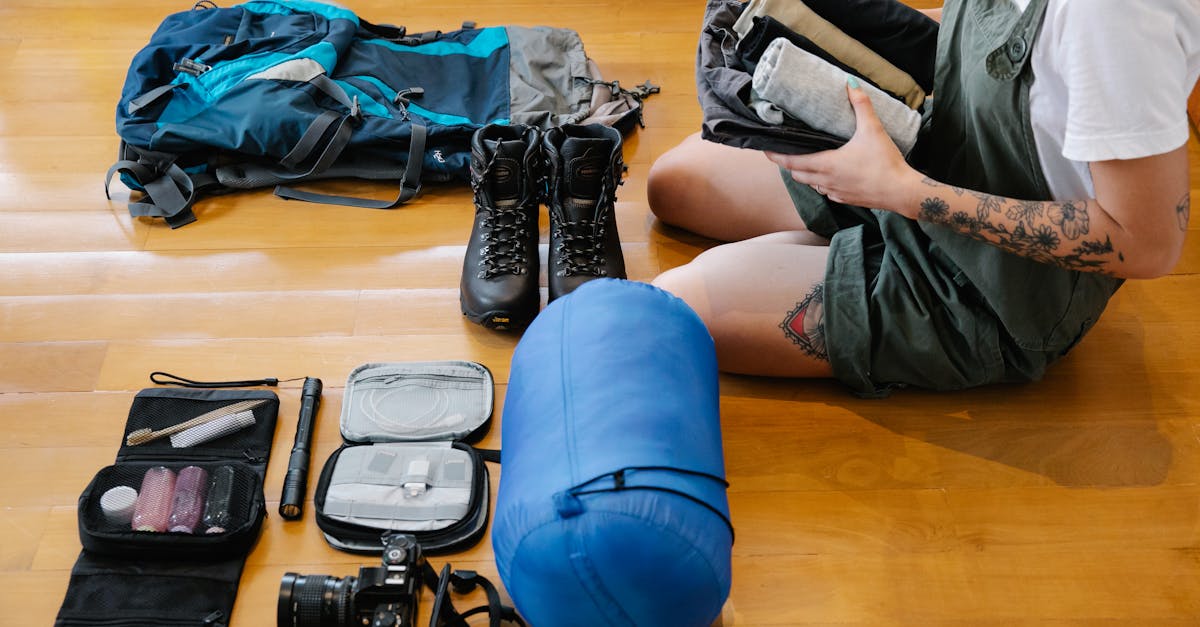 This photo was taken by Timur Weber on Pexels.
Welcome to the Eternal City and beyond! As a local guide who has spent years showing visitors the best of Italy, I know that one of the most common questions I receive is about what to pack. The truth is, Italy's climate is as diverse as its landscapes, ranging from the scorching sun of the Amalfi Coast in July to the crisp, misty mornings of the Dolomites in January. To truly enjoy your journey without freezing or overheating, understanding the seasonal nuances is key. Whether you are planning to wander through historic cobblestone streets, hike mountain trails, or simply sip espresso in a piazza, this guide will help you master the art of dressing for every Italian season.
Summer Essentials: Lightweight Fabrics and Sun Protection
When strolling through the cobblestone streets of Rome or navigating the narrow alleys of Florence under the blazing summer sun, your wardrobe should prioritize breathable, natural fibers like linen and lightweight cotton. These fabrics not only allow air to circulate freely, keeping you cool during those scorching afternoons when temperatures often exceed 30°C (86°F), but they also offer a sophisticated, relaxed aesthetic that perfectly complements Italy's laid-back style. Opt for loose-fitting trousers, flowing maxi dresses, and unstructured blazers that provide comfort while maintaining elegance, ensuring you look stylish even as you sweat through hours of sightseeing.
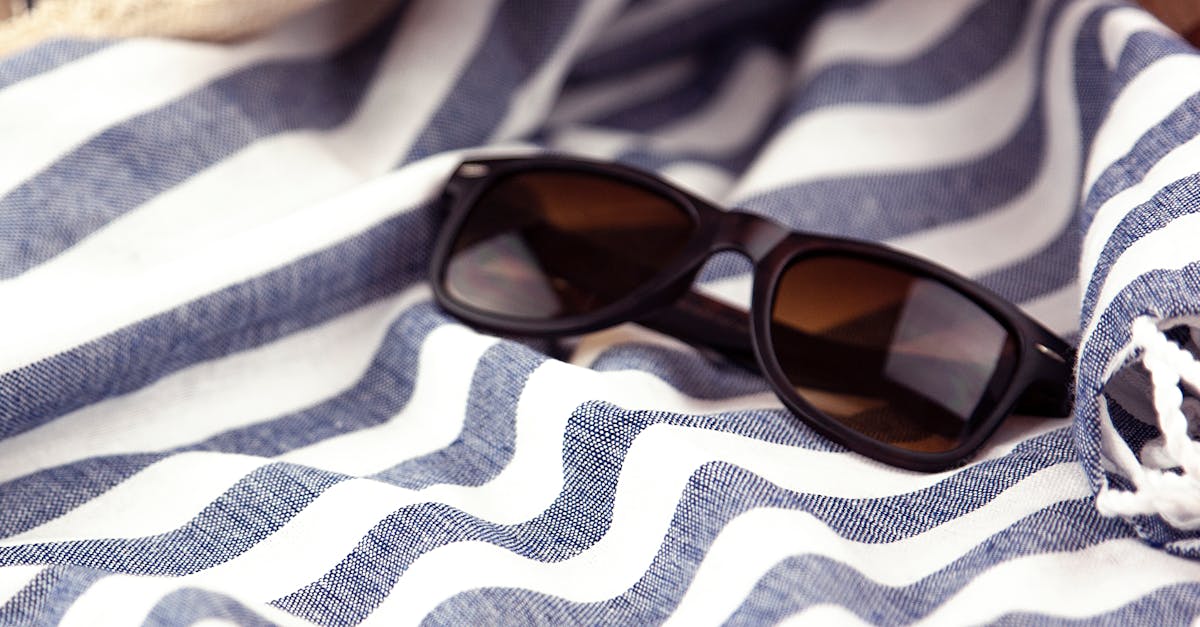
However, staying fashionable is secondary to staying safe from the intense Mediterranean rays, so sun protection must be woven into every outfit choice. Pack wide-brimmed hats made of straw or felt to shield your face and neck, along with high-quality polarized sunglasses that are essential for protecting your eyes while exploring historic sites without glare. Don't forget to layer with a lightweight, long-sleeved shirt or a sarong that can quickly cover up when the UV index peaks, and always carry a compact bottle of high-SPF sunscreen to reapply throughout the day, ensuring your Italian adventure remains memorable for all the right reasons.
 This photo was taken by Karen Laårk Boshoff on Pexels.
Winter Warmth: Layering for City Streets and Mountain Skis
When the crisp air of an Italian winter settles over our historic cities, mastering the art of layering becomes your best strategy for exploring cobblestone streets from Rome to Florence. Think of a thermal base layer paired with a stylish wool sweater or a chic turtleneck, topped by a versatile trench coat or a warm down jacket that can be easily removed when you step into a heated museum or café. Don't forget a fashionable scarf and leather gloves; they are essential not just for warmth, but because Italians appreciate a polished look even in the chill. While sturdy walking shoes are non-negotiable for navigating uneven ancient stones, swapping heavy boots for sleek, insulated ankle boots allows you to maintain elegance while staying comfortable during long days of sightseeing.
For those venturing into the majestic Dolomites or the Alps for skiing, your wardrobe shifts towards high-performance gear without sacrificing style. The key here is technical layering: start with moisture-wicking thermal underwear, add a mid-layer like a fleece or merino wool hoodie for insulation, and seal it all with a waterproof, breathable ski shell. Since temperatures can fluctuate wildly between sunny slopes and shadowed valleys, having removable layers is crucial. Once you've finished your run, transition seamlessly to the après-ski scene by keeping your base layers on and simply swapping your outer shell for a cozy cable-knit sweater or a puffer vest, ensuring you're ready for both mountain adventures and warm evenings in rustic mountain lodges.
 This photo was taken by Loic Van Montagu on Pexels.
Footwear and Accessories: Navigating Cobblestones Year-Round
When exploring Italy's historic centers, your choice of footwear is far more critical than fashion trends; the ubiquitous cobblestones and uneven paving stones demand sturdy, broken-in soles that provide genuine traction. In the summer, opt for breathable leather sandals with arch support or lightweight walking shoes rather than flimsy flip-flops, as you will likely cover miles on ancient streets where heels can get stuck in gaps. During the winter months, waterproof boots with non-slip soles become essential not only for navigating wet, slick stones but also for protecting against sudden rain showers and chilly winds that sweep through narrow alleyways, ensuring your feet stay dry and secure regardless of the season.
Accessories should be chosen with both utility and local style in mind, serving as practical shields against the elements while blending seamlessly into the Italian aesthetic. A high-quality scarf is a year-round staple, offering warmth during crisp winter mornings and acting as a modest cover-up when visiting churches or cathedrals in the summer heat. For bags, crossbody styles are highly recommended over backpacks to keep your hands free for holding maps or gelato, while also deterring pickpockets in crowded piazzas. Finally, always pack a compact umbrella or a stylish hat; these items protect you from intense summer sun glare or unexpected downpours without compromising your look as you wander from one masterpiece to another.
 This photo was taken by Amanda Fagan on Pexels.