Off the Beaten Path: Discovering the Dolomites and Alpine Villages
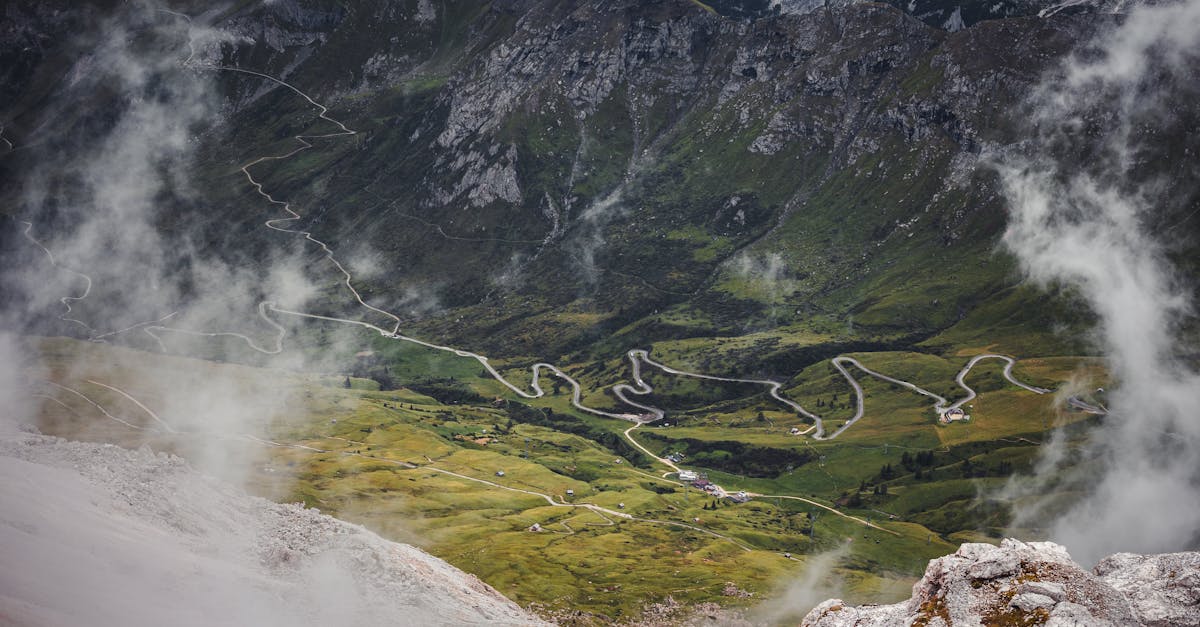 This photo was taken by Gioele Gatto on Pexels.
While the world often turns its gaze toward Venice's canals or Rome's ancient ruins, there exists a realm of breathtaking verticality and pristine silence that defines the true soul of Italian nature: the Dolomites. Rising dramatically from the northern plains, these UNESCO World Heritage peaks offer more than just a postcard-perfect backdrop; they invite you to wander into secret valleys where time seems to stand still and discover authentic mountain villages that have preserved their warm Alpine hospitality for centuries. Whether you are seeking the thrill of winter hiking beyond the crowded ski slopes or simply craving the quiet beauty of hidden gems away from the tourist trails, this journey promises an unforgettable immersion into a landscape where culture and nature dance in perfect harmony. Join me as we explore the lesser-known corners of Italy's most majestic mountains.
Hidden Gems: Secret Valleys Beyond the Tourist Trails
While the iconic peaks of the Dolomites draw crowds to Val Gardena and Cortina, true magic often hides in the quiet valleys tucked away behind the main passes. Venture into the Valle di Funes beyond the famous church silhouette, where you will find the secluded hamlet of San Martino di Castrozza surrounded by ancient larch forests that whisper with the wind. Here, the silence is profound, broken only by the distant lowing of cows and the crunch of gravel under your boots as you wander paths rarely marked on standard tourist maps. These secret valleys offer a sanctuary for those seeking solitude, revealing wildflower meadows in full bloom during summer and offering breathtaking views of jagged rock faces without the hustle of tour groups.
Further north, the hidden villages of the Alta Badia region provide an authentic glimpse into a lifestyle unchanged by mass tourism, where stone houses cling to steep slopes and locals still practice traditional cheese-making in mountain huts known as malghe. In places like Colle Santa Lucia or the lesser-known valley of Livinallongo, you can experience the genuine warmth of Alpine hospitality, savoring hearty stews made from ingredients harvested just hours before. By stepping off the beaten path, travelers discover not just stunning landscapes but a living heritage where time seems to slow down, allowing for a deep connection with the rugged beauty of the Italian Alps that remains elusive to the hurried visitor.
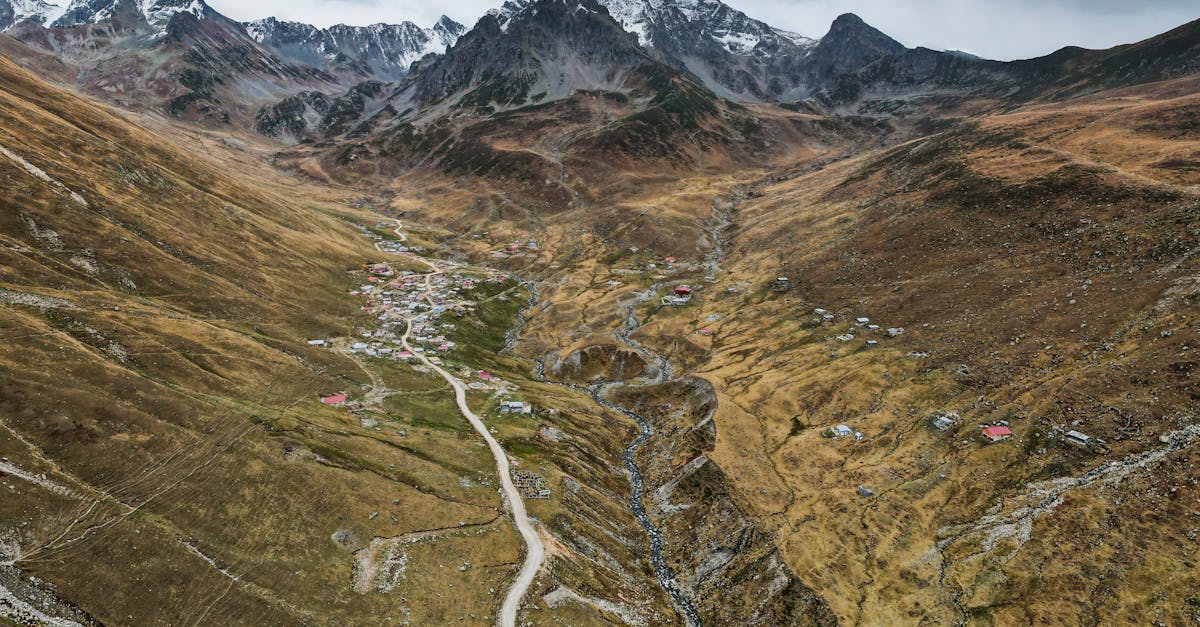 This photo was taken by Daha Uzaga on Pexels.
Alpine Hospitality: A Guide to Authentic Mountain Villages
Nestled high within the jagged peaks of the Dolomites, authentic mountain villages offer a warm embrace that transcends mere accommodation. Unlike the bustling ski resorts that draw crowds, these hidden gems like San Candido or Val Gardena's smaller hamlets preserve a timeless rhythm where the air is crisp and the silence is profound. Here, hospitality is not just a service but a deeply ingrained cultural tradition; locals greet you with genuine smiles in their unique Ladin dialects, inviting you into centuries-old stone homes to share hearty stews made from local ingredients and stories passed down through generations. The experience feels less like tourism and more like becoming a temporary family member, where the evening concludes not with a loud party, but with the gentle crackle of a wood-burning stove and the soft glow of candlelight.
Exploring these villages reveals a landscape sculpted by both nature and human resilience, where narrow cobblestone streets wind past wooden balconies overflowing with vibrant geraniums and ancient chapels dotting the hillside. Visitors can spend their days hiking trails that lead to secluded alpine meadows or simply wandering through artisan workshops crafting intricate wood carvings and traditional textiles, all while savoring the slow pace of life that defines the region. As twilight descends, casting long shadows against the pale rock faces, the true magic lies in the opportunity to disconnect from the digital world and reconnect with the earth, finding solace in the company of fellow travelers and the welcoming spirit of the hosts who have called these majestic mountains home for centuries.
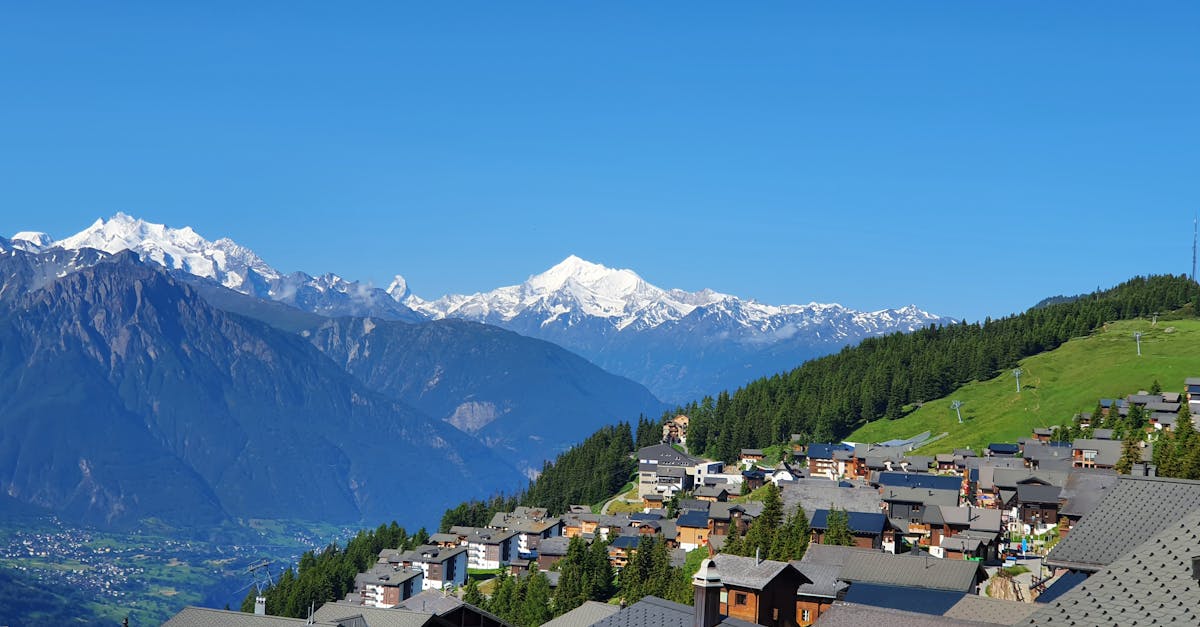 This photo was taken by Svetlana Bützberger on Pexels.
Beyond the Ski Slopes: Hiking and Culture in Winter
While the world watches the skiers carve their lines through fresh powder, the true magic of the Dolomites in winter unfolds on foot along a network of serene, snow-dusted trails that invite you to explore the mountains at a more contemplative pace. Hiking here offers a unique perspective where the stark, jagged peaks of the Sella Group or the gentle slopes of Val Gardena stand as silent sentinels against a brilliant blue sky, often accompanied by the crunch of boots on crisp snow and the distant call of an alpine marmot. Unlike the bustling ski resorts, these paths lead you through ancient larch forests and across frozen lakes that mirror the dramatic rock faces, providing a tranquil escape where silence is the only soundtrack, allowing travelers to connect deeply with the raw, untamed beauty of the Italian Alps without the rush of the lift lines.
Beyond the natural splendor, winter transforms the charming Alpine villages into living postcards of tradition, where the air smells of roasting chestnuts and the warm glow of candlelight spills from wooden shutters onto cobblestone streets. Here, culture thrives not just in museums but in the daily rhythm of life, from the sound of church bells ringing over snow-covered piazzas to the opportunity to taste hearty dishes like canederli (bread dumplings) and strudel in family-run trattorias that have served locals for generations. Visitors can wander through historic centers where Ladino influences blend with Austrian heritage, discovering local artisans crafting intricate wood carvings or woolens, all while soaking in the authentic warmth of hospitality that defines these hidden gems away from the tourist crowds.
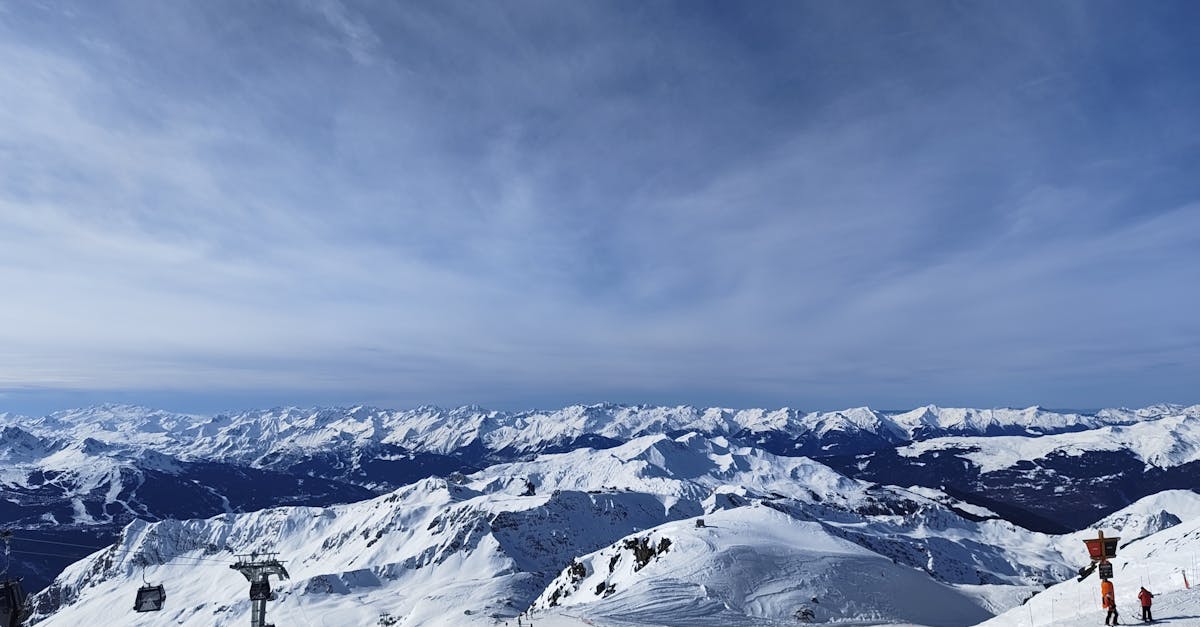 This photo was taken by Loic Van Montagu on Pexels.