Off the Beaten Path: Charming Medieval Towns in Umbria and Le Marche
 This photo was taken by Craig Adderley on Pexels.
Welcome, travelers! While the world often turns its gaze toward Rome's ancient ruins or Florence's Renaissance masterpieces, Italy holds a quieter, more enchanting secret in its central spine. Join me on a journey through Umbria and Le Marche, two regions where history is not merely preserved but lived within the very stones of their hilltop villages. In this post, we will step away from the crowded main streets to uncover hidden gems that offer an authentic glimpse into the Italian way of life. From the misty peaks of Umbria's medieval hamlets to the sun-drenched, time-worn towns of Le Marche, prepare to be transported to a place where the pace slows down and every alleyway tells a story. Alongside our exploration of these architectural wonders, we will also savor the region's rich culinary traditions, proving that the quiet heart of Italy beats with a flavor as vibrant as its landscapes.
Discovering the Hidden Gems of Umbria's Hilltop Villages
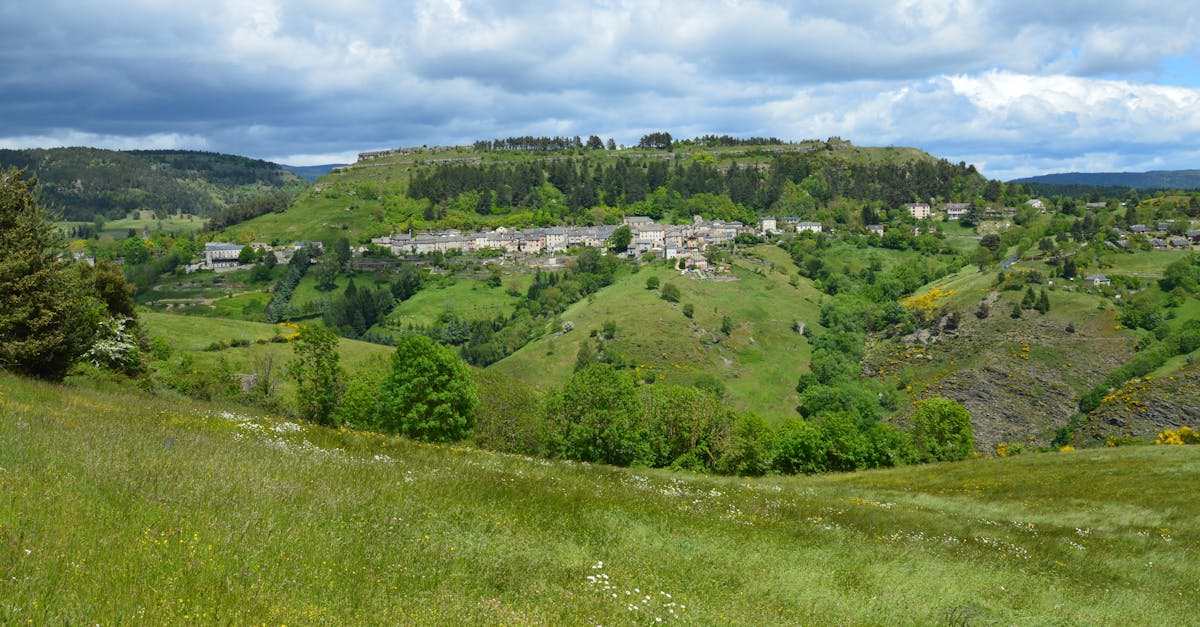
While the world flocks to Tuscany, just a short drive south lies Umbria's most enchanting secret: its cluster of medieval hilltop villages that seem frozen in time. In places like Spello and Gubbio, cobblestone streets wind through ancient Roman gates and past centuries-old churches adorned with frescoes by master artists like Perugino. Unlike the crowded piazzas of major tourist hubs, these towns offer an intimate experience where locals still greet visitors with warm smiles, and the scent of truffles and fresh chestnuts hangs heavy in the crisp mountain air. Here, you can wander through narrow alleyways lined with terracotta roofs, discovering hidden courtyards filled with blooming bougainvillea and listening to the rhythmic tolling of church bells that mark the passage of time.
Exploring these off-the-beaten-path destinations reveals a slower pace of life deeply rooted in tradition, where artisan workshops craft leather goods and ceramics right in front of your eyes. The panoramic views from the ramparts of Assisi or the historic center of Orvieto are breathtaking, offering sweeping vistas over emerald valleys and rolling vineyards that stretch endlessly toward the horizon. Whether you are sipping local Sagrantino wine in a rustic tavern tucked away on a quiet slope or attending a vibrant medieval festival that celebrates the town's unique heritage, Umbria invites you to step out of the modern rush and immerse yourself in the authentic soul of Italy's green heart, far removed from the喧嚣 of mass tourism.
 This photo was taken by SlimMars 13 on Pexels.
Le Marche: Where Time Stands Still in Ancient Stone Towns
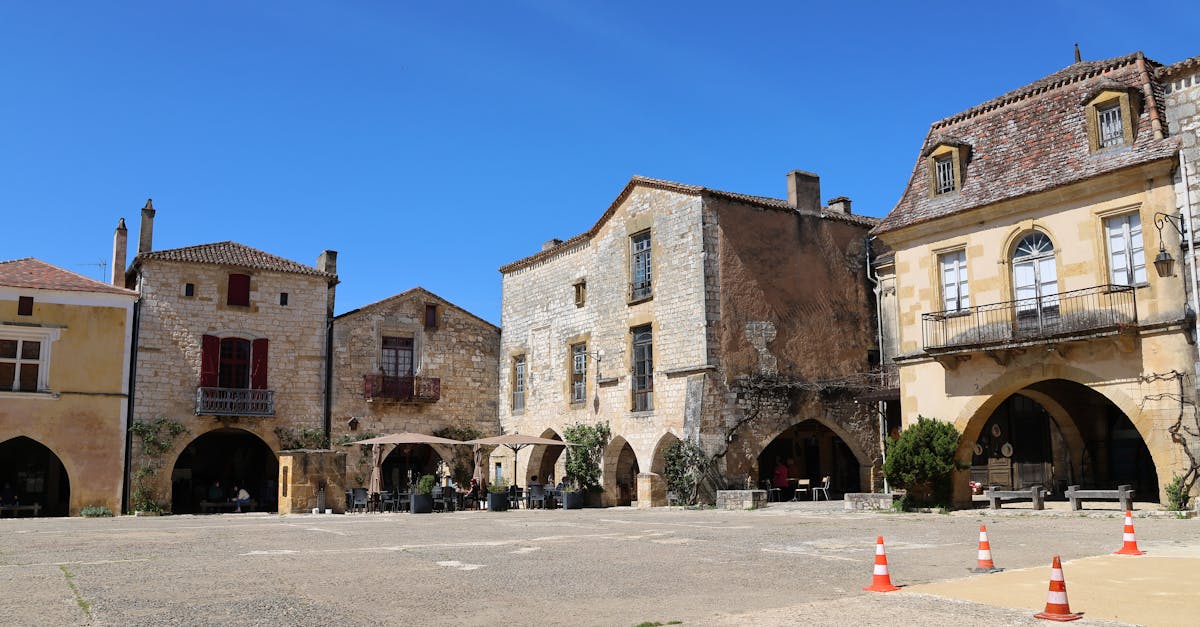
While the crowds flock to Tuscany, just a short drive eastward lies Le Marche, a region where the rhythm of life has remained delightfully unhurried for centuries. Here, ancient stone towns like Urbino, Ascoli Piceno, and Cingoli cling to rolling hillsides, their medieval architecture preserved in a state of timeless elegance rather than commercialized perfection. Strolling through the narrow, cobbled alleys of these hilltop villages feels like stepping back into the Renaissance, with art galleries housed in palazzos that once welcomed poets and philosophers, all under the watchful gaze of distant mountains and the Adriatic breeze.
The true magic of Le Marche unfolds when you venture beyond the main squares to discover hidden courtyards and local trattorias serving simple, earthy cuisine that highlights the region's rich agricultural heritage. Unlike its more famous neighbors, this area offers an intimate connection with history; you might find yourself sharing a table with locals discussing the day's harvest or exploring Roman ruins tucked away in quiet valleys without the pressure of tour groups. It is a destination for the traveler seeking authenticity, where every archway tells a story and every sunset paints the limestone walls in hues of gold and amber, proving that in Le Marche, time truly does stand still.
 This photo was taken by arnaud audoin on Pexels.
A Culinary Journey Through the Quiet Heart of Italy
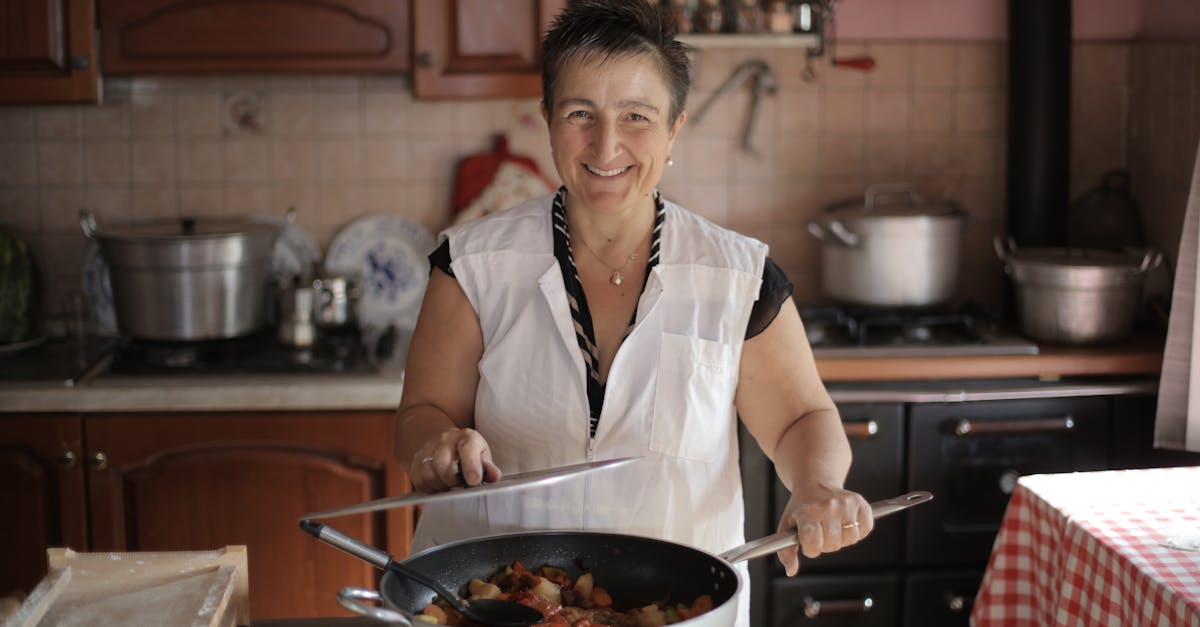
Nestled between the rolling hills of Umbria and the rugged coastline of Le Marche, this culinary odyssey offers a sanctuary for the true food lover, far removed from the crowded trattorias of the major tourist hubs. Here, the rhythm of the table is dictated by the seasons, inviting you to savor dishes that have remained virtually unchanged for centuries. Imagine breaking your fast with fresh, warm piadina stuffed with local cheeses in a tiny village square, or wandering through misty forests in early autumn to forage for wild porcini mushrooms alongside generations-old families who know every nook of the woods. The flavors are deeply rooted in the earth, featuring slow-cooked stews enriched with truffles, handmade pasta shapes unique to each hamlet, and wines that tell the story of the specific terroir they were born from.
As evening falls, the dining experience transforms into an intimate celebration of community, where long wooden tables are shared with locals eager to share their stories over glasses of crisp Verdicchio or robust Montefalco Rosso. In these quiet medieval towns, meals are not merely about sustenance but are a ritual of connection, often accompanied by the soft strumming of a guitar or the laughter of children playing nearby. You will discover that the secret ingredients are always hospitality and patience, as chefs take pride in transforming humble, rustic ingredients like chestnuts, beans, and olive oil into masterpieces that define the soul of central Italy. This journey promises not just a full belly, but a heart full of memories forged in the silent, aromatic embrace of Italy's most authentic kitchens.
 This photo was taken by Andrea Piacquadio on Pexels.