Navigating the Amalfi Coast: Tips for a Stress-Free Summer Escape
 This photo was taken by Frank Cone on Pexels.
Imagine the golden glow of the sun reflecting off the azure waters, the scent of blooming jasmine drifting through the air, and the sound of gentle waves lapping against the rugged cliffs. The Amalfi Coast is a dream destination for many, but navigating its winding roads and crowded towns during peak summer months can quickly turn a magical escape into a logistical nightmare. As your local guide, I am here to help you transform that potential stress into pure serenity. In this post, we will explore how to master the ferry routes and local transport systems to move like a local, uncover hidden coves where you can truly relax away from the throngs of tourists, and share essential strategies for timing your visit to beat the intense midday heat. Get ready to discover the authentic magic of this Italian jewel with a plan that ensures your summer getaway remains as relaxing as it is breathtaking.
Mastering the Ferry Routes and Local Transport
Summer on the Amalfi Coast is a symphony of azure waters and sun-drenched cliffs, but mastering your ferry routes is the key to unlocking its true beauty without the headache of traffic. During peak season, the SITA buses that hug the winding SS163 road become notorious bottlenecks, making the hydrofoils and ferries from Naples, Sorrento, or Positano not just an alternative, but a necessity for a stress-free journey. I recommend booking your tickets online at least a few days in advance via operators like NLG or TravelMar, as the popular morning departures to Capri or along the coast often sell out by mid-morning. Arriving early at the port allows you to secure a spot on deck where you can soak in panoramic views of pastel-colored villages clinging to the mountainside, transforming what could be a cramped bus ride into a scenic highlight of your Italian adventure.
Once you've mastered the sea connections, navigating local transport requires a blend of flexibility and cultural awareness to truly enjoy the rhythm of coastal life. While private transfers offer comfort, they come with a premium price tag; instead, embrace the vibrant local buses and the charming, albeit steep, walking paths that connect the towns. Remember that many historic centers are pedestrian-only zones, so pack comfortable shoes with good grip for the cobblestones and prepare for short, scenic hikes that often reveal hidden cafes and secret beaches inaccessible by car. By combining strategic ferry use with a willingness to walk and hop on local transit, you'll discover the authentic soul of the Amalfi Coast, moving through time-honored pathways just as generations of locals have done before you.
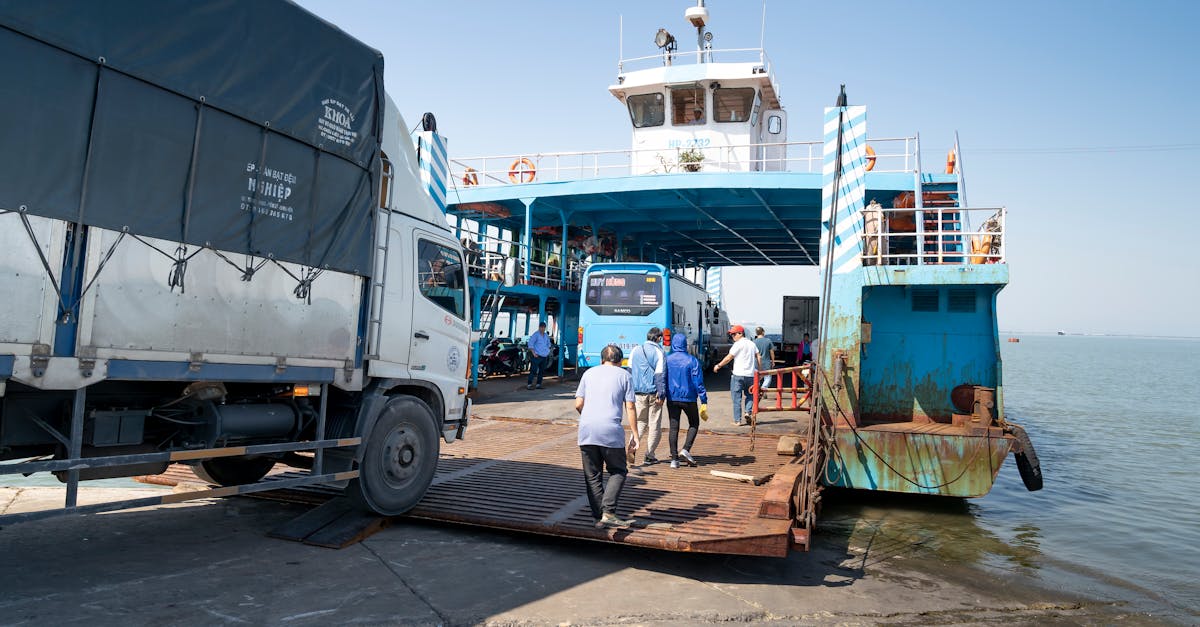 This photo was taken by Quang Nguyen Vinh on Pexels.
Finding Secluded Beaches Beyond the Crowds
 This photo was taken by Asad Photo Maldives on Pexels.
Timing Your Visit to Beat the Summer Heat
While the Amalfi Coast is undeniably magical, July and August bring scorching temperatures that can turn a dreamy stroll into a grueling ordeal. To truly savor the experience without melting under the Mediterranean sun, consider shifting your travel dates to late May or early June, or perhaps September and October. During these shoulder seasons, the air remains warm enough for swimming but stays comfortably cool for exploring the steep, winding streets of Positano and Ravello. The crowds also thin out significantly, allowing you to secure better prices for accommodations and enjoy a more authentic atmosphere where locals are less rushed and the iconic lemon groves are in full, fragrant bloom.
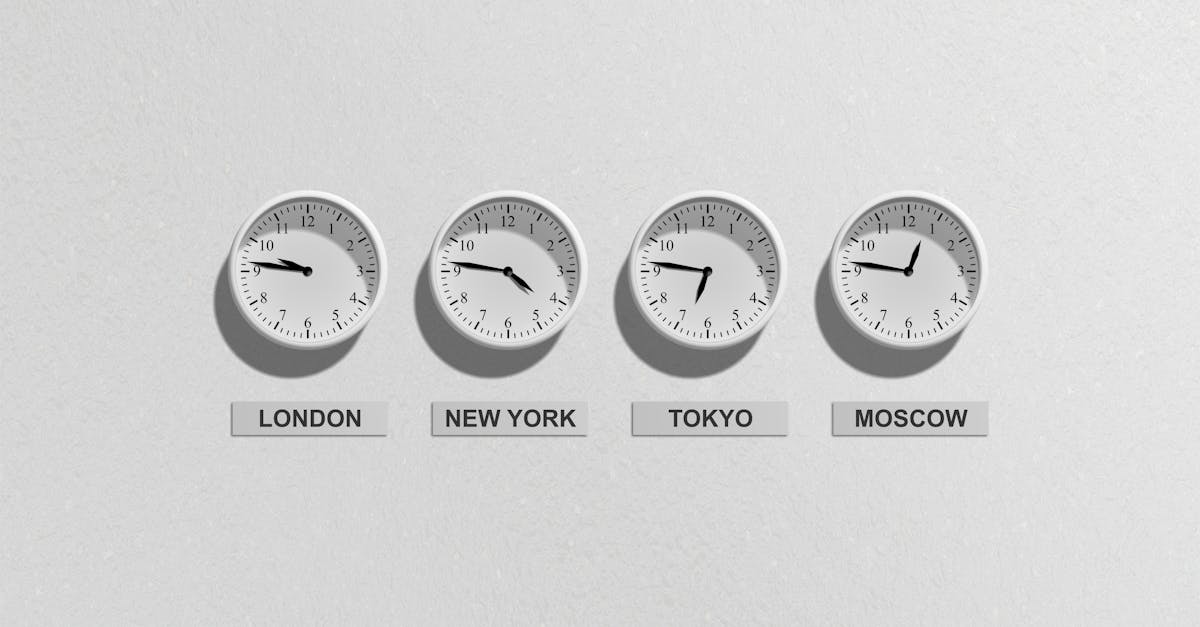
If your schedule strictly limits you to the peak summer months, strategic timing within the day becomes your best defense against the heat. Plan your most strenuous activities, such as hiking the Path of the Gods or visiting the ancient ruins of Pompeii, for the early morning hours before 10:00 AM when the light is soft and the temperature is mild. Reserve the intense midday sun for leisurely siestas by the pool or a long, lazy lunch at a shaded terrace, saving your afternoon energy for a sunset boat tour along the coastline. By aligning your itinerary with the natural rhythm of the Italian day, you can navigate the coast's beauty while avoiding the oppressive midday glare that often dampens spirits.
 This photo was taken by Pixabay on Pexels.