Navigating the Amalfi Coast: Tips for a Stress-Free Italian Vacation
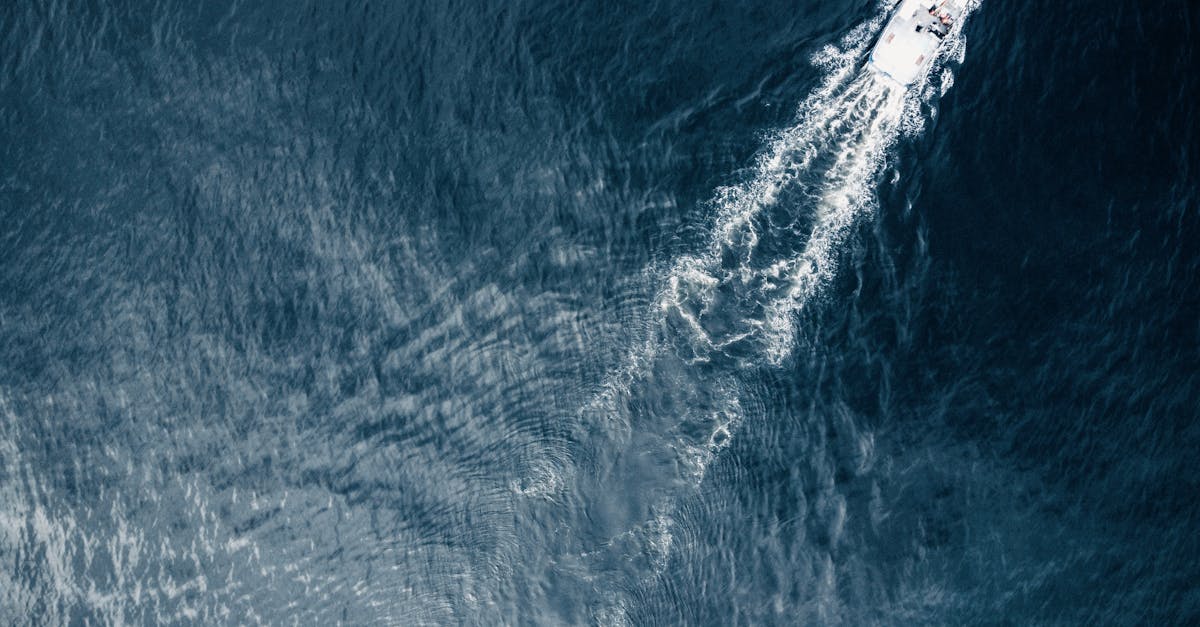 This photo was taken by Frank Cone on Pexels.
Welcome to the jewel of Southern Italy! As your local guide, I know that the Amalfi Coast is a place where time seems to slow down, offering breathtaking views of turquoise waters and colorful cliffside villages. However, its narrow roads and seasonal popularity can sometimes turn a dream trip into a logistical challenge. That is exactly why I have crafted this guide: to help you navigate this stunning region with confidence and ease. In the pages ahead, we will explore the best times to visit to avoid the crowds, demystify the local transport system from winding buses to scenic ferries, and share essential dining etiquette so you can savor authentic Italian cuisine like a true insider. Get ready to experience the dolce vita without the stress—your perfect Italian vacation awaits.
Choosing the Right Season for Your Visit
Timing your trip to the Amalfi Coast is the single most effective way to ensure a relaxed and authentic experience, as the region transforms dramatically with the changing seasons. The golden window of late spring (May) and early autumn (September to October) offers the perfect balance: warm, sun-drenched days ideal for swimming in the turquoise waters and exploring cliffside villages like Positano and Ravello without the oppressive heat or the suffocating crowds of July and August. During these shoulder months, you will find that the local restaurants are bustling with genuine hospitality rather than rushed service, and the famous coastal paths are accessible enough to enjoy breathtaking views without feeling like part of a crowded procession.
Conversely, while the peak summer season promises guaranteed sunshine, it brings intense temperatures that can make hiking the Path of the Gods difficult and turns narrow streets into congested thoroughfares where parking becomes a nightmare. If you must visit during the height of summer, consider arriving early in the morning or retreating to lesser-known hamlets further up the mountainside, but be prepared for higher accommodation costs and limited availability. For those seeking tranquility and a glimpse into true Italian winter life, visiting between November and March reveals a serene, almost mystical landscape where the dramatic cliffs meet a moody sea, though many hotels and ferry services operate on reduced schedules, requiring careful planning to navigate this quiet, off-season charm.
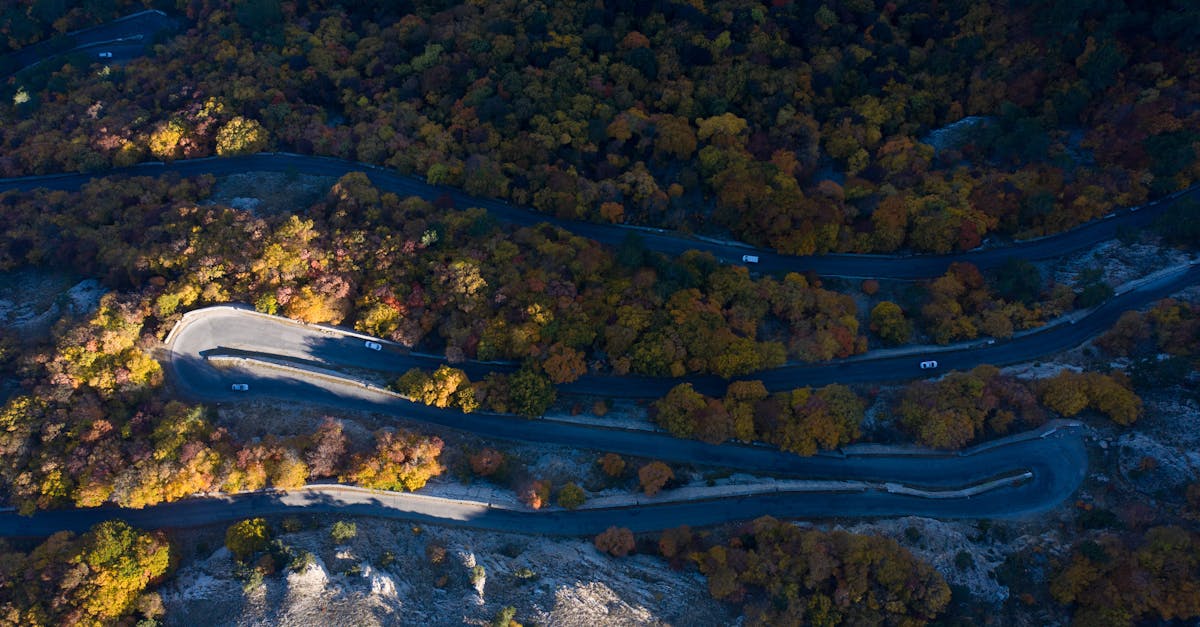 This photo was taken by Mikhail Nilov on Pexels.
Mastering Local Transport and Ferries
Once you arrive on the Amalfi Coast, mastering local transport is key to unlocking the region's hidden gems without the stress of parking nightmares. While the SITA buses are an affordable way to hop between towns like Positano and Sorrento, they often become overcrowded during peak season, so consider booking your tickets early or opting for private drivers who know the winding serpentine roads better than any GPS. For those seeking flexibility and comfort, renting a small Fiat 500 can be tempting, but remember that narrow streets and aggressive driving styles require confidence; alternatively, the Circumvesuviana train from Naples offers a scenic and budget-friendly route to Sorrento, serving as the perfect gateway before switching to coastal ferries.
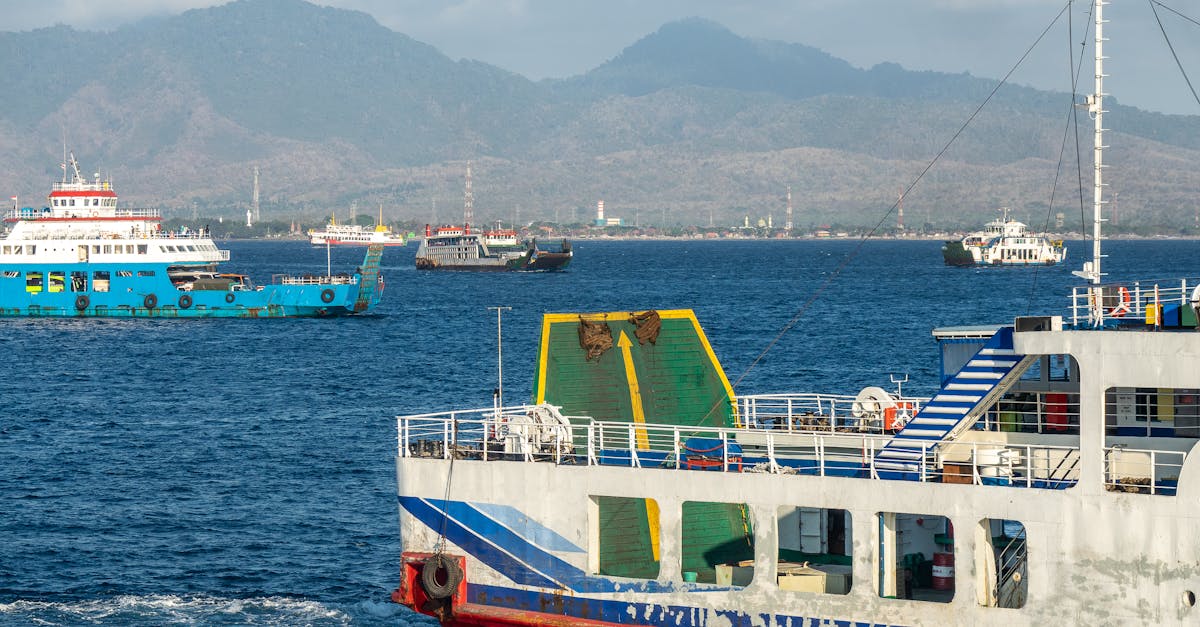
For the ultimate coastal experience, however, nothing beats traveling by ferry, which transforms your journey into a breathtaking cruise along the turquoise waters. Ferries connect major hubs like Positano, Amalfi, Ravello (via nearby ports), and Capri, offering stunning aerial views of the dramatic cliffs while bypassing the notorious summer traffic jams on the SS163 road. It is essential to check the seasonal schedules in advance, as services reduce significantly in winter, and always aim to board early in the morning to secure a spot with the best views and avoid long queues at the docks. Whether you are heading to the island of Capri for a day trip or simply want to glide from one picturesque village to another, the sea remains the most relaxing and efficient way to navigate this magical stretch of Italian coastline.
 This photo was taken by Mike van Schoonderwalt on Pexels.
Dining Like a Local: Reservations and Etiquette
Securing a table at the Amalfi Coast's most coveted restaurants requires planning well in advance, especially during the peak summer months when locals and visitors alike flock to seaside terraces. Unlike many other destinations where walk-ins are common, popular spots like La Sponda or Da Adolfo often book up weeks ahead, so I recommend contacting your chosen venue directly via email or phone as soon as your dates are confirmed. When making your reservation, be specific about your preferences for sea views or outdoor seating, as these prime locations fill up first; arriving even ten minutes late can result in losing your spot entirely, as Italian hospitality values punctuality and efficient table turnover.
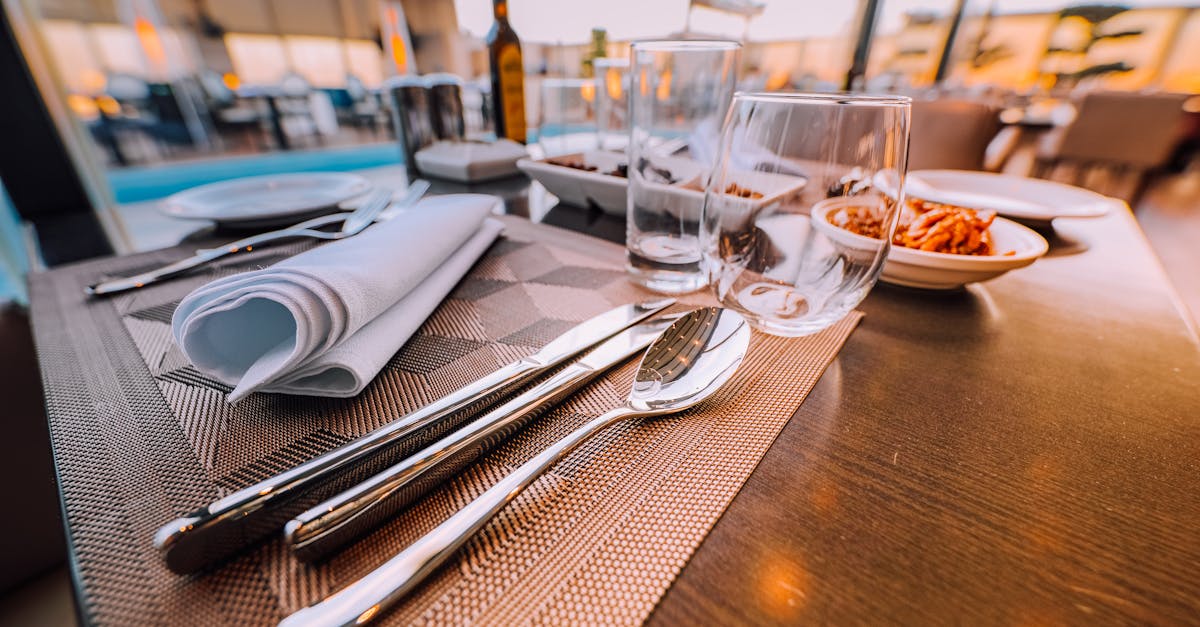
Once seated, embracing local dining etiquette will deepen your connection with the culture and ensure a smoother experience. Remember that lunch is typically served from 12:30 PM to 2:30 PM, while dinner rarely begins before 8:00 PM, so arriving too early might find the kitchen closed or the staff preparing for service. It is customary to wait until everyone at your table has been served before starting to eat, and tipping is not mandatory but appreciated for exceptional service; simply leaving small change or rounding up the bill is perfectly acceptable. Finally, resist the urge to rush your meal—Italians view dining as a social event meant to be savored slowly, often lasting several hours as you enjoy multiple courses and endless conversation.
 This photo was taken by Zak Chapman on Pexels.