Navigating Italy by Train: A Complete Guide for Travelers
 This photo was taken by Nathan Berthault on Pexels.
Choosing the Right Train: High-Speed vs. Regional
When planning your Italian adventures, understanding the distinction between high-speed and regional trains is crucial for optimizing both your budget and your itinerary. High-speed services like Frecciarossa, Italo, and Treno Alta Velocità are designed to whisk you between major cities such as Rome, Florence, and Milan in under three hours, offering a sleek, comfortable experience with amenities like power outlets and Wi-Fi; however, these tickets must be purchased in advance to secure the best fares, and they rarely stop at smaller towns. In contrast, regional trains (Regionale) operate on a more relaxed schedule, connecting charming villages, coastal gems, and rural landscapes that high-speed lines often bypass. While these trains are significantly cheaper and allow for flexible travel without strict seat reservations, the journey times can be considerably longer, making them perfect for short hops or exploring off-the-beaten-path destinations where time is less of a concern than cost and scenery.Choosing the right train ultimately depends on your travel priorities and the specific route you intend to take. If your goal is to maximize sightseeing time in iconic urban centers, investing in a pre-booked high-speed ticket is almost always the superior choice, ensuring you arrive refreshed and ready to explore immediately upon arrival. Conversely, if you are a backpacker looking to save money or wish to soak in the slow-paced beauty of the Italian countryside, hopping on a regional train offers an authentic local experience where you might find yourself sharing the carriage with residents heading to market or returning home from work. Remember that while high-speed networks are extensive and efficient, regional lines provide the essential毛细血管 (capillaries) of Italy's transport system, reaching places like Cinque Terre, Assisi, or the Amalfi Coast's hinterland where no bullet train dare go, so mixing both modes often yields the most rewarding travel strategy.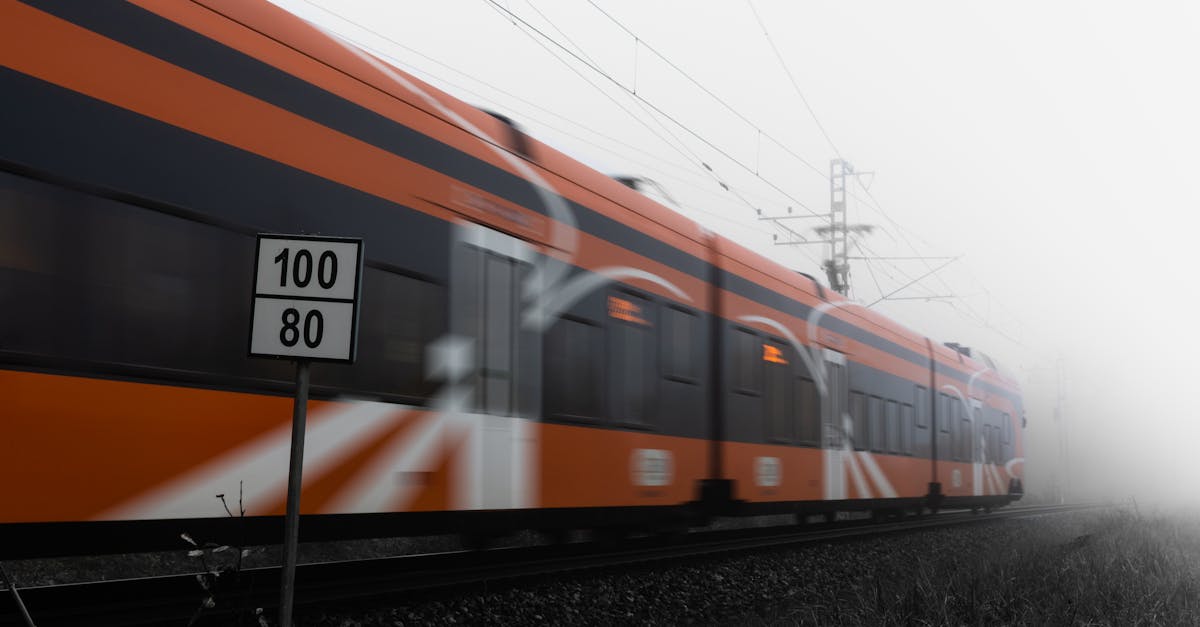 This photo was taken by Alari Tammsalu on Pexels.
Essential Tips for Buying Tickets and Validating Passes
When purchasing train tickets in Italy, the golden rule is to always buy before boarding, as fines for traveling without a validated ticket are steep and frequently issued by conductors on board. For high-speed Frecciarossa or Italo trains, you can secure your seats online via official railway websites or apps, where selecting a specific seat is highly recommended during peak tourist seasons. Regional trains offer more flexibility, allowing purchases at station machines, ticket counters, or authorized tobacco shops (tabacchi), but remember that these regional tickets do not assign a specific carriage or seat number; instead, they function as proof of payment valid for any train on that route within a set time frame.
Once you have your paper ticket for regional services, the most critical step is validation, which acts as stamping the start of your journey's validity period. You must locate the small green or yellow validation machines located on platform edges before entering the train, insert your ticket until it prints the date and time, and keep the stamped copy safe for inspection. Failure to validate a regional ticket before departure renders it invalid, even if you purchased it days in advance, so treat this ritual as non-negotiable. In contrast, e-tickets purchased digitally with a QR code or pre-printed tickets from high-speed lines generally do not require physical validation, though it is wise to double-check the terms printed on your specific receipt to avoid unnecessary stress.
 This photo was taken by DΛVΞ GΛRCIΛ on Pexels.
Navigating Major Stations and Connecting to Rural Towns
Navigating Italy's major railway hubs, such as Roma Termini, Milano Centrale, and Napoli Centrale, can initially feel like stepping into a bustling labyrinth of announcements and crowds. These stations are modern architectural marvels that serve as the primary arteries for the country's high-speed Frecciarossa and Italo networks, offering seamless connections to virtually every corner of the nation. To avoid confusion, look for the large digital departure boards displaying "Partenze" and note your platform number well in advance, as trains often arrive just minutes before their scheduled time. Once aboard, remember that while seat reservations are mandatory on high-speed lines, they are not required on regional trains, giving you the flexibility to hop on local services without prior booking, though arriving early is always advisable to secure a spot during peak tourist seasons.From these urban giants, the true charm of Italy unfolds as you transfer to slower regional lines that weave through the countryside, connecting you to picturesque rural towns often missed by air or car. These smaller stations, frequently tucked away in historic town centers, provide direct access to the authentic Italian lifestyle where vineyards stretch toward the horizon and medieval architecture clings to hilltops. While schedules may be less frequent than on the main lines, the journey itself becomes part of the adventure, offering scenic views of rolling Tuscan hills or the rugged coastlines of Liguria. By embracing this network, travelers can easily escape the metropolitan rush to discover hidden gems like Orvieto, Matera, or the Cinque Terre villages, experiencing the slow travel philosophy that defines the heart of the Italian experience. This photo was taken by Mladen Šćekić on Pexels.