Navigating Italian Train Travel: A Beginner's Guide for Tourists
 This photo was taken by Kateryna Tartachna on Pexels.
Choosing the Right Train for Your Journey
When embarking on your Italian rail adventure, the first step is understanding the distinct operators that shape your journey. For high-speed travel connecting major cities like Rome, Florence, and Venice, Trenitalia's Frecciarossa or Italo are your best bets, offering sleek trains with ample legroom and onboard services that make the trip part of the experience. Conversely, if you plan to explore the charming, winding routes of Tuscany or the rugged landscapes of Sicily, regional trains (Regionale) provide an affordable and scenic alternative, though they often stop more frequently and lack the reserved seating found in faster options.
To ensure a smooth experience, always verify whether your chosen service requires mandatory seat reservations before purchasing tickets online or at the station; while high-speed trains strictly enforce this rule, regional trains usually allow you to board without one, provided you validate your paper ticket at the green machines prior to departure. By matching the train type to your itinerary and budget, you not only save money but also unlock the authentic rhythm of Italy, where the landscape unfolds beautifully through every window as you glide from the Alps to the Mediterranean coast.
 This photo was taken by Ketut Subiyanto on Pexels.
Buying Tickets and Validating Your Pass
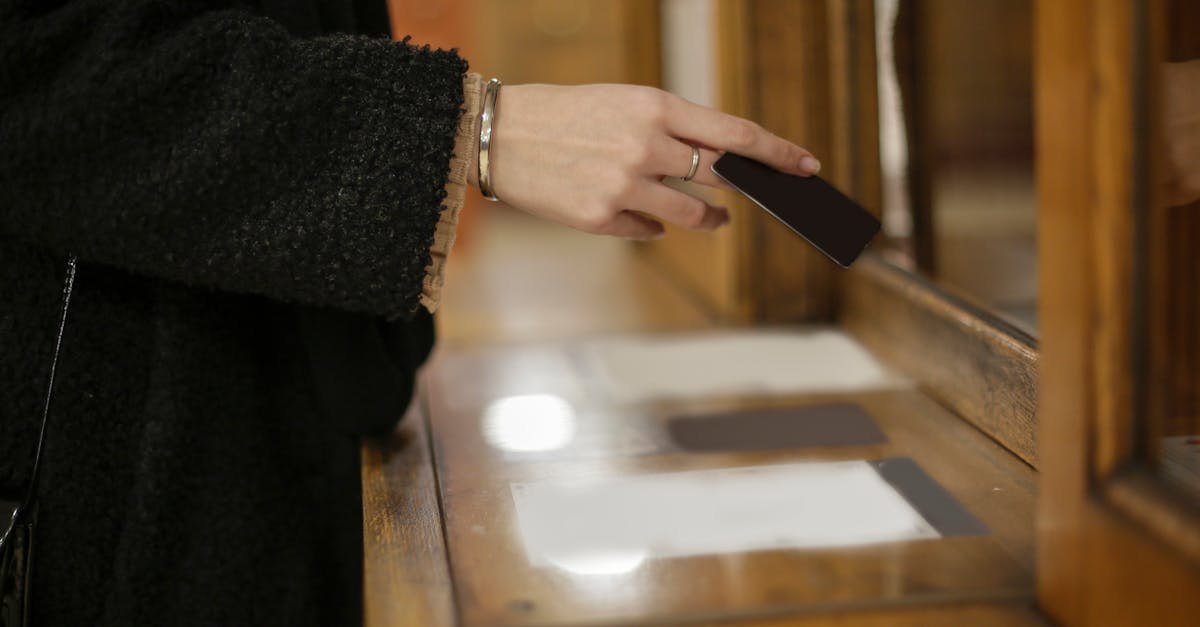
Securing your seat on Italian trains begins with purchasing tickets well in advance, especially for high-speed services like Frecciarossa or Italo, where prices fluctuate dynamically based on demand. You can buy these online through official railway websites or apps, at staffed ticket counters in major stations, or from automated vending machines that often feature an English language option; however, be cautious of third-party resellers who may charge significant service fees. Once you have your e-ticket or physical pass, the most critical step is validation if you are using a regional train ticket. Unlike high-speed trains where your reservation includes a specific seat and time, regional tickets must be stamped before boarding to activate their validity period. Look for the distinctive green or blue stamping machines located on the platforms near the tracks; simply insert your paper ticket until it clicks, ensuring the date and time are clearly printed, as traveling without this stamp renders your ticket invalid.
Failing to validate your ticket is a common pitfall for tourists and can result in substantial fines during random inspections conducted by uniformed officers known as "i controllori." These inspectors board trains frequently and check every passenger's documentation, so it is essential to treat validation as a non-negotiable part of your travel ritual. Remember that once a ticket is validated, you cannot use it again on a different day or route, and electronic tickets purchased online for regional trains usually do not require physical stamping but must be displayed on your smartphone with the QR code visible. Always keep your ticket safe until you exit the station, as losing it after validation means you will have no proof of purchase, potentially leading to disputes with authorities or being asked to pay the full fare plus a penalty fee.
 This photo was taken by Andrea Piacquadio on Pexels.
Navigating Stations and Boarding Like a Local
Once you step into a bustling Italian station like Roma Termini or Milano Centrale, the first rule is to trust your eyes over your ears; unlike in many countries, there are rarely automated announcements guiding passengers to specific platforms. Instead, look up at the large electronic departure boards where trains are listed by their final destination and time, rather than just a train number, so be sure to verify both before heading to the platform. Remember that "imbarco" (boarding) often happens just minutes before departure, and while seat numbers are usually printed on your ticket for reserved services, open tickets require finding an available spot once the doors open, so keep your bag close and move with purpose as the crowd gathers.Before you even reach the platform, never forget the critical ritual of validating your paper ticket at the small green or orange machines found near the entrance if you haven't already done so online or via app; failing to stamp your ticket can result in a hefty fine from the conductors who frequently patrol the carriages without fail. For high-speed trains like Frecciarossa or Italo, having your reservation confirmed is essential, but for regional trains, the validation process is your only way to make the ticket legal, so treat the machine's beep and the printed date as your golden ticket to travel. Once onboard, locate your carriage number quickly, find your assigned seat, and don't hesitate to ask a fellow traveler for help if the signs seem confusing, as Italians are generally happy to assist a polite tourist trying to navigate their complex rail system. This photo was taken by Jules Clark on Pexels.