Navigating Italian Railways: How to Travel Like a Local
 This photo was taken by Jules Clark on Pexels.
Ciao and welcome to the heart of Italy! There is a unique magic in gliding through the rolling Tuscan hills or watching the Venetian lagoon blur past your window, all while sipping an espresso on a train that feels like part of the local rhythm. Yet, for many visitors, the thought of navigating our vast railway network can feel daunting. Fear not, because traveling by rail is the most authentic way to experience this beautiful country—if you know the secrets locals use every day. In this guide, we will demystify the ticketing systems, help you decide between the lightning-fast Frecciarossa and the charming regional trains, and share essential etiquette tips to ensure your journey is as smooth as a perfect gelato. Let's embark on this adventure together and discover how to truly travel like a local.
Mastering the Ticketing Systems: From Apps to Vending Machines
Once you step into an Italian train station, the first hurdle is often understanding the ticketing landscape, which blends old-school tradition with modern convenience. While large stations like Roma Termini or Milano Centrale offer extensive staffed counters and self-service kiosks, many smaller regional stops rely entirely on automated vending machines. These machines are generally user-friendly but may default to Italian; look for the English language toggle button, usually marked by a flag icon or the word "English," to navigate purchase options seamlessly. Remember that for most high-speed trains (Frecciarossa, Italo) and intercity services, purchasing your ticket in advance via official apps like Trenitalia or Italo is not just convenient but essential, as prices fluctuate dynamically and last-minute purchases at the counter can be significantly more expensive.
A crucial aspect of traveling like a local is mastering the validation ritual, especially when using paper tickets bought from tabacchi shops or older-style vending machines. Before boarding any regional train, you must physically stamp your ticket in the green or yellow validation machines located on the platform; failing to do so can result in heavy fines during random inspections. However, if you have purchased a digital ticket through an app or printed one with a QR code directly from the operator's website, validation is automatic, and you simply show the barcode to the conductor upon request. Embracing these systems ensures you avoid unnecessary stress and penalties, allowing you to focus entirely on enjoying the stunning scenery rolling past your window.
 This photo was taken by Süha on Pexels.
Choosing Your Route: High-Speed Freccias vs. Regional Slow Trains
To truly embrace the Italian rhythm, understanding the distinction between the sleek Frecciarossa high-speed trains and the charming regional slow trains is your first step toward authentic travel. The Freccias are Italy's answer to speed, zipping from Milan to Rome in just three hours with modern amenities like Wi-Fi and spacious seating, making them ideal for covering long distances between major cities efficiently. In contrast, the regional trains offer a slower, more immersive experience that stops at smaller towns often missed by the express services; while they lack air conditioning on some older models and can be crowded during peak tourist seasons, they provide an unfiltered view of the countryside and a genuine connection to local life as you pass through villages where time seems to stand still.
Choosing your route ultimately depends on whether your priority is saving time or savoring the journey itself. If you are ticking off the classic "Big Three" of Rome, Florence, and Venice, booking a Freccia in advance will save you both money and precious vacation hours, allowing you to maximize your sightseeing. However, if your itinerary includes the rolling hills of Tuscany, the rugged coast of Liguria, or the hidden gems of Umbria, the regional trains become your best companion; they are significantly cheaper, require no advance reservation, and allow you to hop on and off freely, turning your commute into a scenic adventure that reveals the true heart of the Bel Paese.
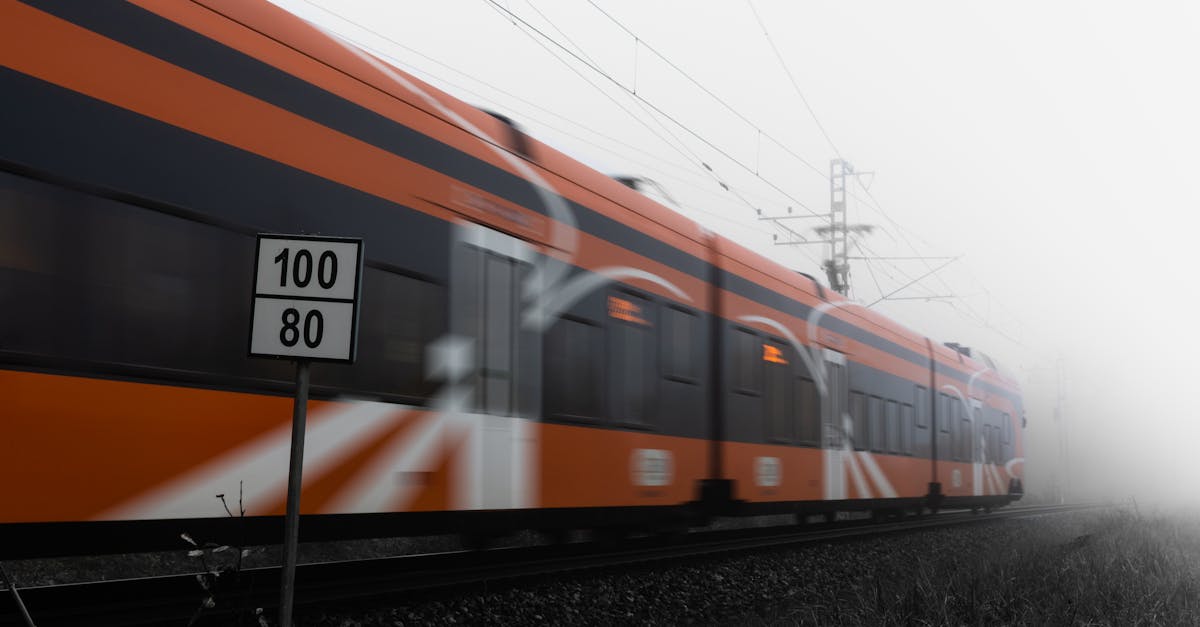 This photo was taken by Alari Tammsalu on Pexels.
Onboard Etiquette and Insider Tips for a Seamless Journey
Once you step aboard an Italian train, remember that the rhythm of travel is often more relaxed than in Northern Europe, yet punctuality and respect for shared space are paramount. When boarding, wait for passengers to disembark before pushing forward, and always validate your ticket if you have a regional paper pass; failure to do so can result in hefty fines from the conductors who patrol the aisles with surprising thoroughness. While it is common to see travelers chatting or eating light snacks like panini or gelato, keep your voice low during peak hours and be mindful of your belongings, as overhead racks fill quickly and pickpockets occasionally target distracted tourists in busy compartments.
To truly travel like a local, embrace the art of the "biglietto" by purchasing tickets well in advance on the Trenitalia or Italo apps, which often offer significant discounts compared to counter prices. If you are traveling overnight or on long-distance routes, consider booking a seat reservation to secure a spot near the window where you can soak in the stunning Tuscan vineyards or the dramatic Amalfi coast views without fighting for space. Finally, don't hesitate to strike up a brief conversation with fellow passengers about their hometowns or favorite regional dishes; Italians generally appreciate the warmth of interaction, and these small exchanges often turn a simple commute into a memorable cultural experience.
 This photo was taken by Pew Nguyen on Pexels.