Navigating Italian Public Transport: Trains, Buses, and Ferries
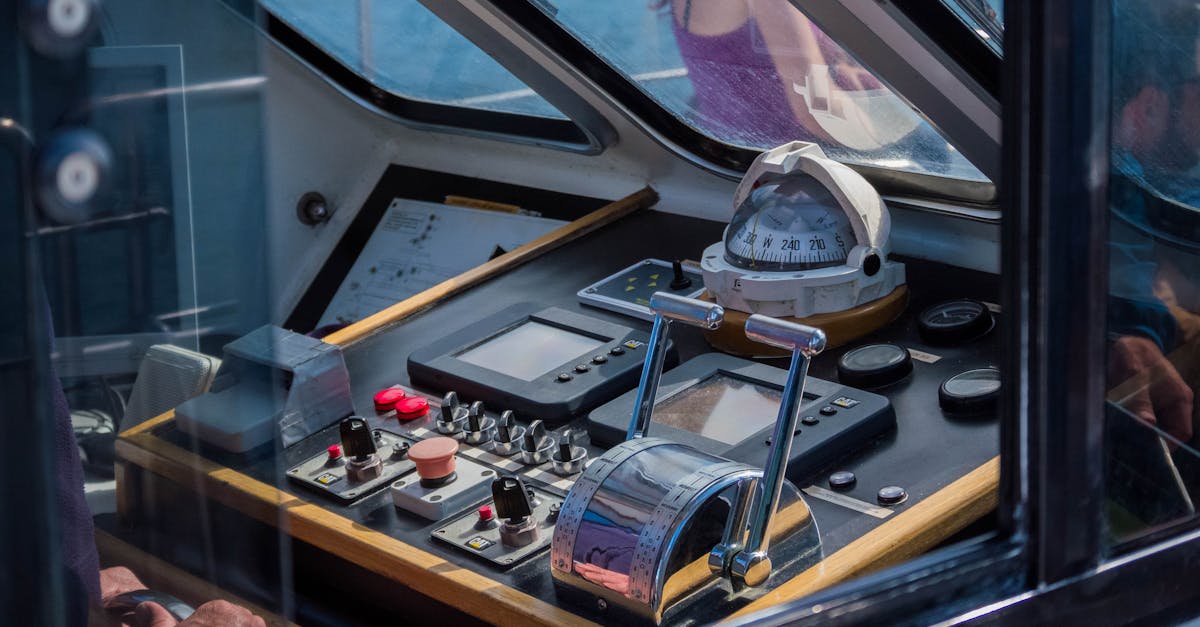 This photo was taken by Nathan Berthault on Pexels.
Mastering the Rail Network: From High-Speed Freccias to Regional Gems
Italy's rail network is the backbone of any memorable journey, offering a seamless blend of modern speed and historic charm that connects every corner of the peninsula. For those eager to zip between major cities like Rome, Florence, and Milan, the high-speed Frecciarossa trains are an absolute necessity; these sleek, silver arrows whisk travelers at speeds exceeding 300 km/h with unparalleled comfort, allowing you to sip espresso while watching the rolling Tuscan hills blur past. However, do not overlook the regional trains, often affectionately called "regionali," which serve as the arteries to lesser-known gems. These slower, more frequent services stop in charming villages that bypass the main hubs, providing an authentic glimpse into local life and granting access to hidden coastal towns and mountain retreats that only the intrepid traveler discovers.
Navigating this vast system requires a bit of strategy, but once mastered, it becomes the most efficient way to explore the country without the stress of parking or traffic jams. Tickets for high-speed trains should be booked well in advance online to secure the best fares, whereas regional tickets can often be purchased at station kiosks or via mobile apps just moments before departure, offering a flexibility that bus travel rarely matches. While buses fill the gaps in areas where rails don't reach, such as remote Alpine valleys or specific island routes, the train remains the undisputed king of Italian transit. Whether you are catching a sunset ferry from Naples to Capri after a morning ride on the Circumvesuviana or embarking on a scenic route through the Cinque Terre, understanding the rhythm of the rails ensures your Italian adventure flows smoothly from one breathtaking destination to the next.
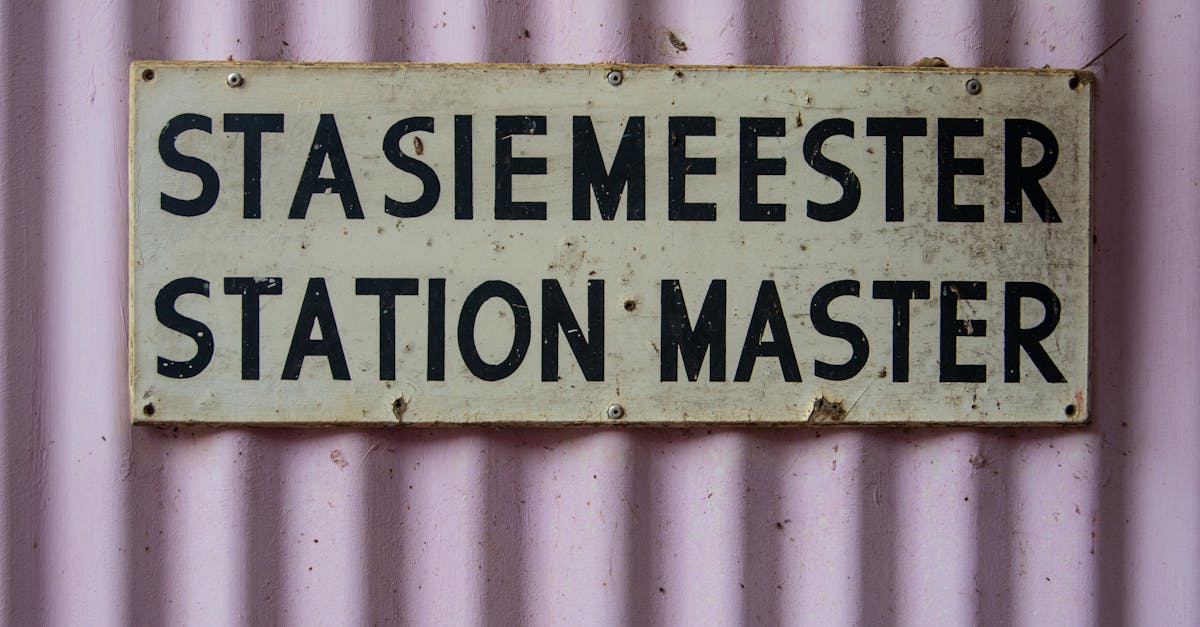 This photo was taken by Magda Ehlers on Pexels.
Navigating City Streets and Rural Roads with Buses and Trams
Once you step off the high-speed rail and into the heart of Italy's bustling cities like Rome, Milan, or Naples, the rhythm of your journey shifts to the lively hum of buses and trams. These urban arteries are not merely functional; they offer an authentic glimpse into daily Italian life as you weave through narrow cobblestone streets where cars often struggle to pass. In historic centers, trams glide effortlessly along dedicated tracks, providing a scenic and air-conditioned alternative to walking long distances, while colorful city buses navigate the chaotic yet charming traffic with surprising agility. Remember that in many zones, you must validate your ticket immediately upon boarding to avoid hefty fines, and be prepared for crowded commutes during rush hour, which can be a delightful way to observe local interactions.
Venturing beyond the metropolitan sprawl to the rolling hills of Tuscany or the rugged coastlines of Puglia requires a different approach, as rural bus networks become the lifeline connecting picturesque villages that trains cannot reach. While these services may run on less frequent schedules compared to their urban counterparts, they are essential for accessing remote wineries, ancient hamlets, and coastal gems tucked away from the main tourist trails. Patience is key here, as timetables can vary significantly by season and region, so checking local updates at the station or via apps beforehand is crucial. Despite the slower pace, riding a country bus offers a serene experience where you can watch the landscape transform from vineyards to olive groves, making the journey itself a memorable part of your Italian adventure.
 This photo was taken by Skylar Kang on Pexels.
Island Hopping and Coastal Cruises: A Guide to Italian Ferries
While the Italian rail network is legendary for its efficiency on the mainland, nothing quite captures the true essence of the Bel Paese like island hopping via the extensive ferry system. From the sun-drenched Aeolian Islands off Sicily to the dramatic cliffs of Capri and the Venetian Lagoon, ferries serve as the vital arteries connecting these coastal treasures to the historic ports of Naples, Palermo, and Venice. Whether you are seeking a quick hop between islands or a leisurely overnight cruise along the Amalfi Coast, booking in advance during the peak summer months is essential to secure your spot on everything from high-speed hydrofoils to traditional car ferries that transport your vehicle directly onto the shore.
For those looking to maximize their experience, consider combining public ferry services with private coastal cruises to discover hidden coves and secluded beaches inaccessible by land. Many regional operators offer day-passes that allow for flexible travel between multiple stops, making it easy to explore the archipelagos at your own pace without the stress of driving or parking. As you glide across the Tyrrhenian and Ionian Seas, keep an eye out for the stunning vistas of volcanic landscapes and ancient ruins rising from the water, remembering that these maritime journeys are not just a mode of transport but a breathtaking spectacle in themselves that defines the romantic allure of Italian tourism.
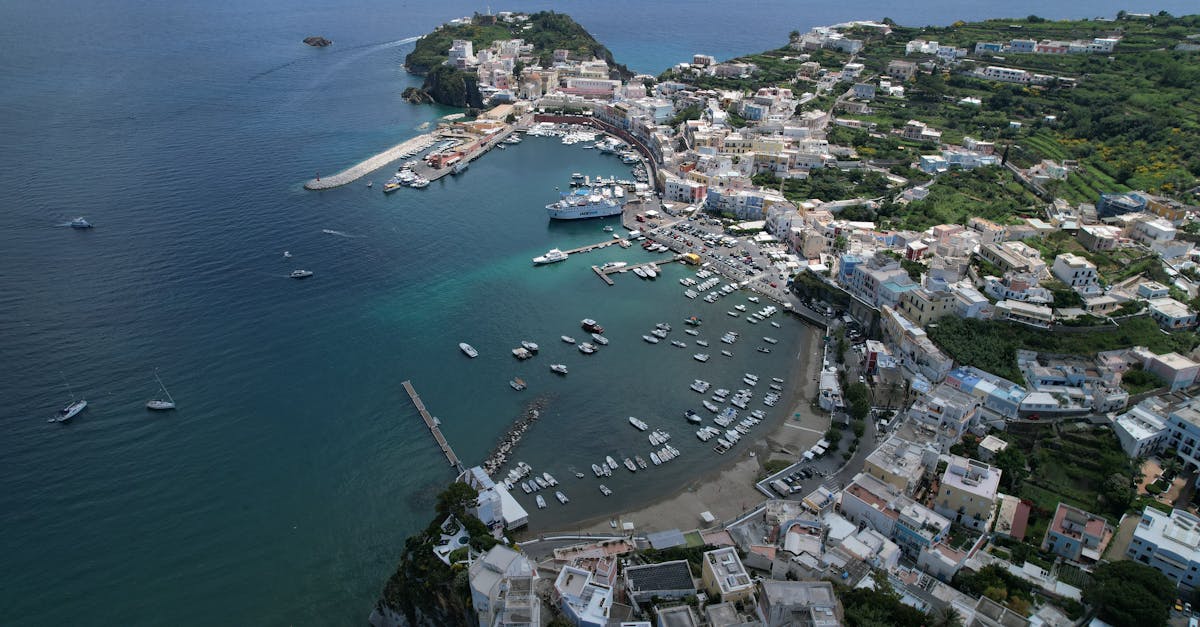 This photo was taken by Gianluca Guidi on Pexels.