Italy's Forgotten Villages: Where Time Stands Still
 This photo was taken by Magda Ehlers on Pexels.
Welcome to the heart of Italy, where the roar of modern life fades into a gentle whisper against ancient stone walls. While millions flock to the bustling streets of Rome or the canals of Venice, there exists another Italy—a realm of forgotten villages nestled high in the mountains and tucked away in secluded valleys. Here, time does not march forward; it stands still, preserving a way of life that has remained untouched for centuries. In this journey, we will explore the hidden gems of the Apennines, savor a culinary journey through ancient kitchens, and discover how heritage is lovingly preserved in stone and silence. Get ready to step off the beaten path and into a dreamlike world where every cobblestone tells a story.
The Hidden Gems of the Apennines
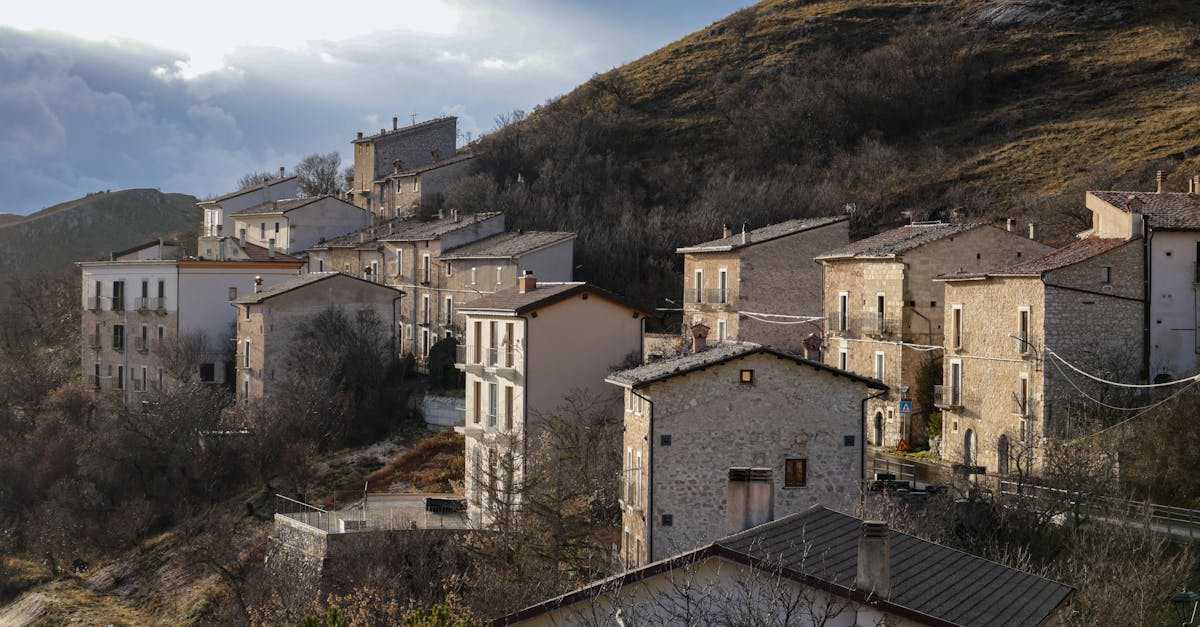
Nestled high within the rugged spine of the Apennines, away from the crowded trails of Tuscany and the coastal bustle of the Amalfi Coast, lie villages that seem to have been preserved in amber. Here, in places like Santo Stefano di Sessanio or Civitella del Tronto, cobblestone streets wind past medieval stone houses adorned with climbing ivy, where the only sounds are the distant bleating of sheep and the gentle chime of church bells echoing through misty valleys. These forgotten hamlets offer an authentic slice of Italian life, untouched by mass tourism, inviting travelers to wander through ancient alleyways and discover artisans still practicing centuries-old traditions of pottery weaving and cheese making right in their family courtyards.
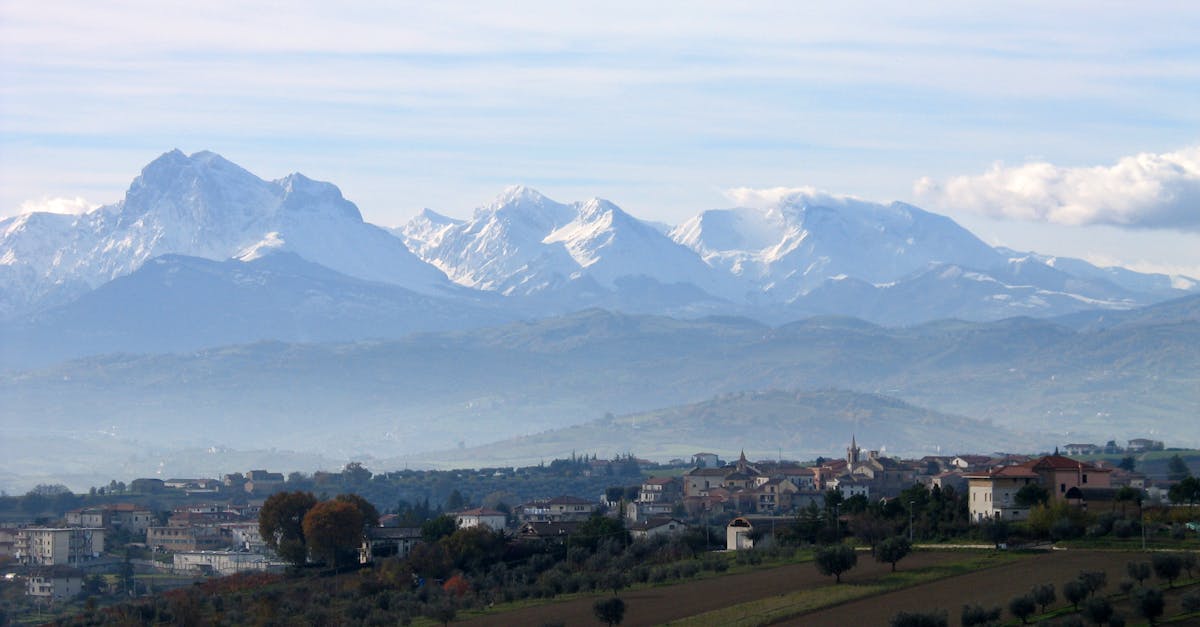
Exploring these hidden gems is not merely a sightseeing excursion but a journey back in time, where the pace of life slows to match the rhythm of the seasons rather than the ticking of a clock. Visitors can immerse themselves in the warmth of local hospitality, savoring hearty mountain stews made from ingredients foraged just hours before, while gazing at panoramic views that stretch endlessly over rolling hills blanketed in chestnut forests. Whether you are hiking the historic Alta Via dei Monti Lattari trails or simply sitting on a sun-drenched piazza watching the light shift across the landscape, these Apennine villages provide a profound sense of peace and connection to Italy's deep-rooted heritage, proving that some of the country's most magical moments are found in silence and solitude.
 This photo was taken by Roman Biernacki on Pexels.
A Culinary Journey Through Ancient Kitchens
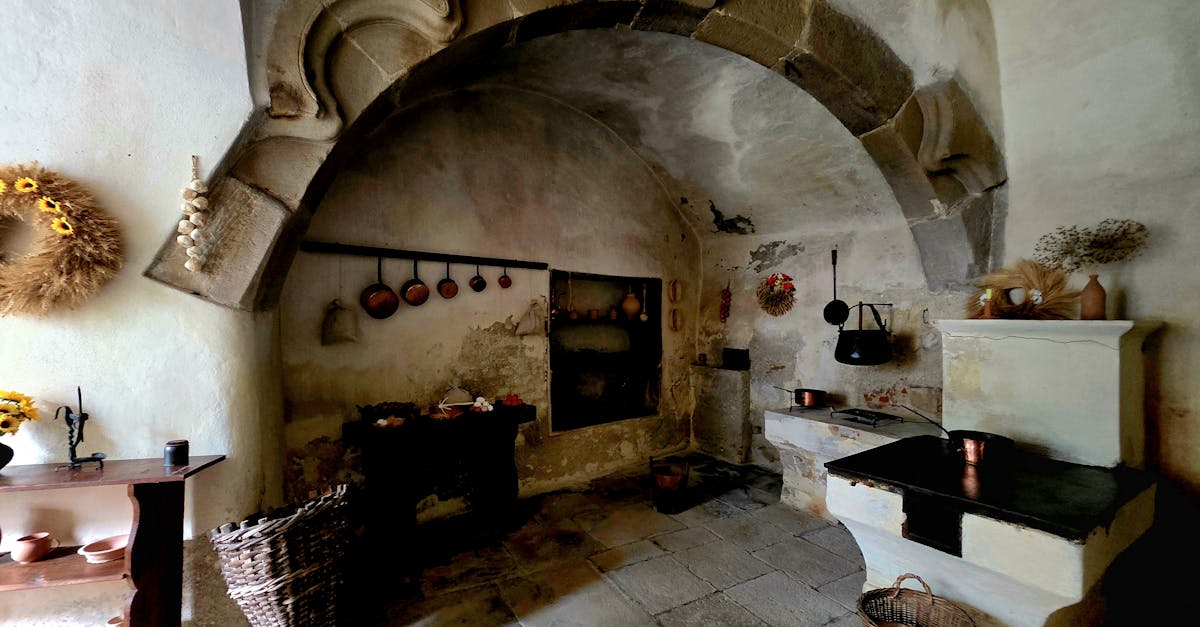
Wandering through the cobblestone alleys of Italy's forgotten villages, one quickly discovers that the true soul of these places resides not just in their stone facades, but within the smoky depths of ancient kitchens where centuries-old recipes are still alive. Here, time seems to pause as grandmothers knead dough for handmade pasta using flour milled from local grains, while clay ovens crackle with wood from nearby forests, infusing rustic loaves and slow-cooked stews with a flavor profile that modern gastronomy can barely replicate. These culinary sanctuaries offer an intimate glimpse into a heritage where every dish tells a story of survival, celebration, and deep-rooted connection to the land, inviting travelers to sit at wooden tables and savor meals that have remained virtually unchanged since the Middle Ages.
Embarking on a culinary journey through these historic hearths is akin to tasting history itself, as visitors are often welcomed into private homes or family-run trattorias to witness the alchemy of simple ingredients transformed by generations of intuition rather than strict instruction manuals. From the aromatic simmering of wild boar ragù in terracotta pots to the delicate folding of ricotta-filled ravioli, each step of the preparation process reveals a meticulous respect for tradition that defines Italian rural life. It is here, amidst the clatter of copper pots and the warmth of shared laughter, that tourists realize that preserving these ancient kitchens is about more than just food; it is about safeguarding a living museum of culture where the flavors of the past continue to nourish the present.
 This photo was taken by Viliam Kudelka on Pexels.
Preserving Heritage in Stone and Silence
Preserving Heritage in Stone and Silence
Nestled high in the rugged Apennines or clinging to the sun-drenched cliffs of the Dolomites, Italy's forgotten villages stand as silent sentinels of a bygone era, where the only soundtrack is the wind whispering through ancient cobbled alleys. Here, time does not merely slow down; it seems to have paused entirely, allowing the weathered limestone facades and hand-hewn archways to tell stories that span centuries without uttering a word. These communities, often abandoned by the younger generation yet fiercely protected by local artisans and heritage enthusiasts, offer a rare glimpse into a life governed by the rhythm of the seasons rather than the ticking of a clock, inviting visitors to walk softly upon stones that have borne witness to wars, harvests, and quiet moments of contemplation.
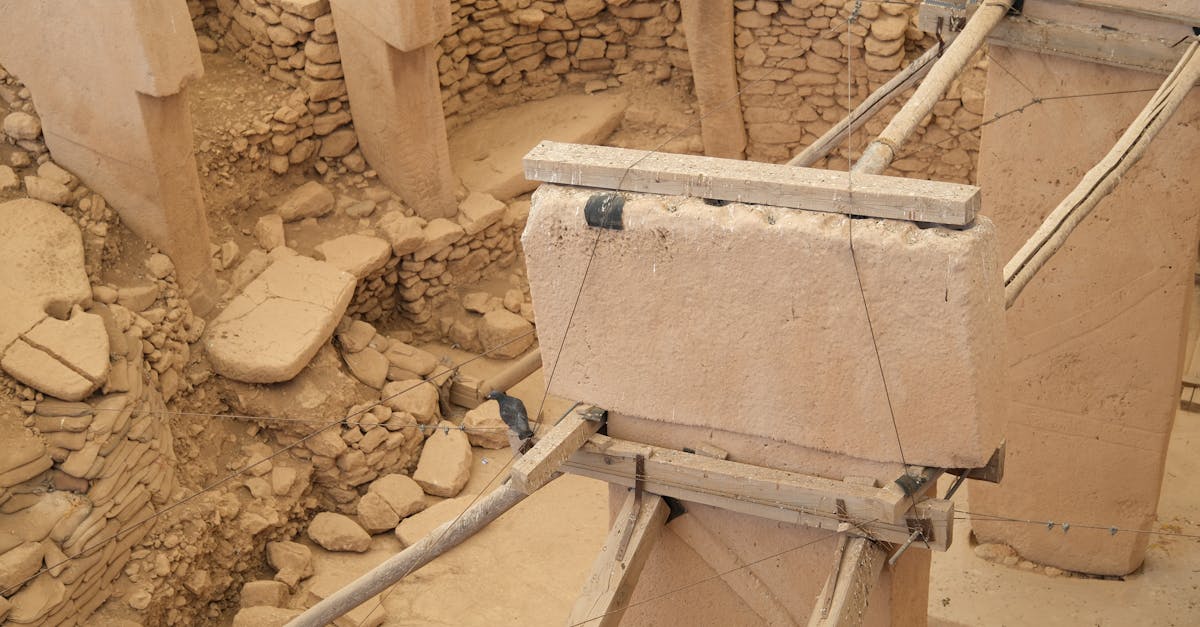
The true magic of these places lies in their delicate balance between decay and preservation, a testament to the unwavering dedication of those who refuse to let history crumble into dust. In towns like Civita di Bagnoregio or Craco, restoration efforts are not about creating theme parks but about breathing new life into structures that have stood for millennia, using traditional techniques and locally sourced materials to maintain an authenticity that modern tourism often struggles to replicate. For the traveler willing to venture off the beaten path, this silence becomes a profound sanctuary, offering a chance to reconnect with the raw beauty of Italian culture before the noise of the modern world fades into the background, leaving only the enduring legacy of stone and spirit.
 This photo was taken by DMN Atölye on Pexels.