Italy on a Budget: How to Travel Like a Local
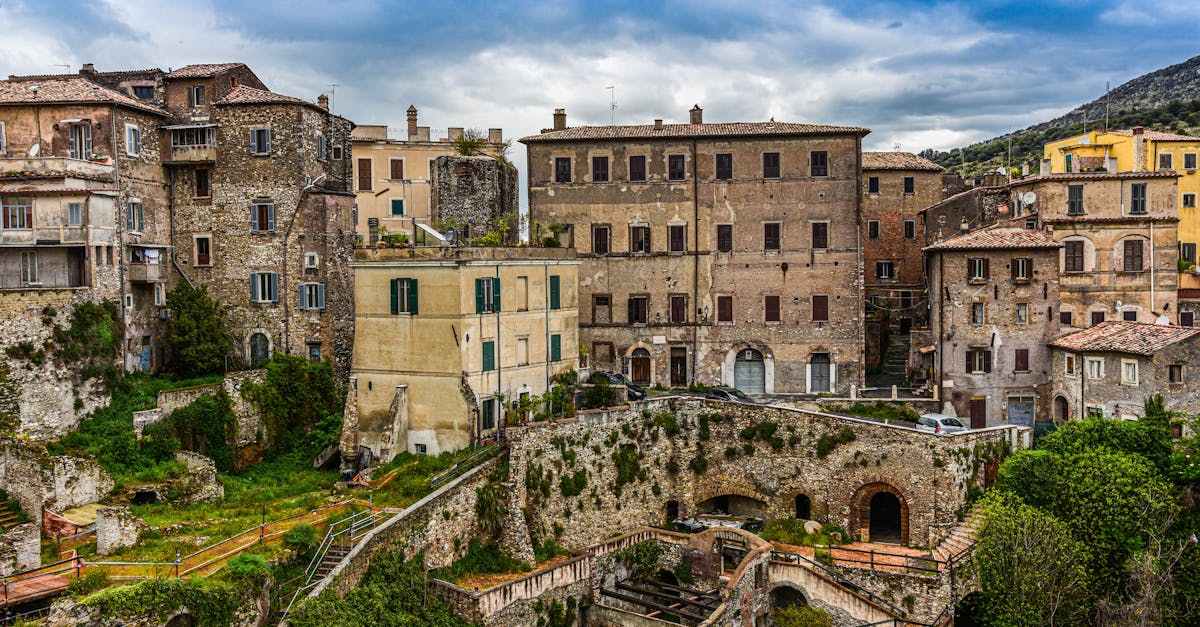 This photo was taken by Duc Tinh Ngo on Pexels.
Benvenuti in Italia! Many travelers dream of wandering the cobblestone streets of Rome, sipping espresso in Florence, or soaking up the sun on the Amalfi Coast, but often worry that the price tag is too steep. The truth is, experiencing the "Bel Paese" doesn't require a fortune; it simply requires thinking like a local. In this guide, we'll unlock the secrets to enjoying authentic Italian cuisine at market prices, discovering world-class art and history through free and smart sightseeing strategies, and mastering the rhythm of Italy using transport hacks that only the residents know. Get ready to explore our beautiful country with your wallet intact and your heart wide open.
Savoring Authentic Flavors Without Breaking the Bank
Exploring Italy's culinary landscape doesn't require a fortune; in fact, the most memorable meals often come from the humblest settings. Instead of dining in tourist-heavy squares where prices are inflated and quality can be inconsistent, seek out "trattorias" tucked away in residential neighborhoods or opt for the daily "menu del giorno," a fixed-price lunch special that offers three courses at a fraction of the cost of an à la carte dinner. Embrace the Italian tradition of aperitivo, where a modest drink purchase gets you access to a lavish spread of complimentary snacks, allowing you to sample regional cheeses, cured meats, and antipasti while mingling with locals before heading to your evening stroll.
To truly eat like a local, master the art of shopping at daily markets and greengrocers, where seasonal produce is sold at unbeatable prices, and visit "paninerie" for a fresh focaccia or panino filled with artisanal ingredients that cost less than a coffee elsewhere. Don't shy away from standing at the bar ("al banco") to grab a quick espresso or a glass of house wine, as this practice is not only more affordable but also immerses you in the bustling rhythm of Italian street life. By prioritizing these authentic experiences over fancy reservations, you'll discover that the heart of Italian cuisine lies in its simplicity, freshness, and the genuine warmth of the people who prepare it.
 This photo was taken by Kampus Production on Pexels.
Mastering the Art of Smart and Free Sightseeing
True mastery of Italian travel lies in embracing the rhythm of local life rather than rushing through a checklist of paid attractions. Start your day before the tour buses arrive, grabbing a quick espresso at a standing bar where locals fuel their morning for just a euro or two. Wander through historic neighborhoods like Rome's Trastevere or Florence's Oltrarno, where the best art is found not behind ticketed doors but in the intricate frescoes adorning public churches and the vibrant street performances that fill the squares. Many of Italy's most breathtaking sites, from the Spanish Steps to the Colosseum exterior, are completely free to admire; simply observe how residents interact with these monuments as part of their daily backdrop, turning a simple walk into an immersive cultural experience.
To truly save money while deepening your connection to the country, adopt the "aperitivo" culture as your evening strategy. Instead of paying for an expensive sit-down dinner immediately, join the crowds gathering around bars between 6:00 PM and 8:00 PM, where a modest drink price often includes access to a lavish buffet of snacks and appetizers. This allows you to sample regional specialties like arancini, bruschetta, and cured meats without breaking the bank. Furthermore, utilize the extensive network of public parks and gardens, such as the Villa Borghese in Rome or the Boboli Gardens' free entry days, which offer serene escapes from the tourist hotspots. By prioritizing these authentic, cost-free interactions, you transform your trip from a sightseeing tour into a genuine exploration of the Italian way of life.
 This photo was taken by Thirdman on Pexels.
Navigating Italy with Local-Style Transport Hacks
Forget the touristy shuttles and opt for the authentic rhythm of Italian public transit by mastering the art of the regional train. While high-speed Frecciarossa connects major cities, the slower regional trains (Regionale) are the true arteries of local life, offering scenic routes through vineyards and villages at a fraction of the cost. Always validate your ticket before boarding using the small green or red machines found on platforms; failing to do so can result in hefty fines from conductors who patrol with a keen eye. For shorter distances within cities, embrace the bus system where a single ticket often covers transfers between lines for up to 90 minutes, allowing you to hop off near hidden piazzas rather than sticking to the main thoroughfares crowded with tour groups.When the journey requires more flexibility, consider renting a bicycle or joining a carpooling service like BlaBlaCar, which is incredibly popular among Italians for intercity travel. Many historic towns have limited traffic zones (ZTL), making cycling not only an eco-friendly choice but also the most efficient way to navigate narrow cobblestone streets without worrying about parking fees or congestion charges. If you must drive, look for "parcheggio" signs that indicate free street parking on Sundays and holidays, a local secret that can save you significant money compared to expensive garage rates. By blending these modes of transport, you will move through the country with the same ease as a resident, discovering the genuine pulse of Italy while keeping your wallet happy.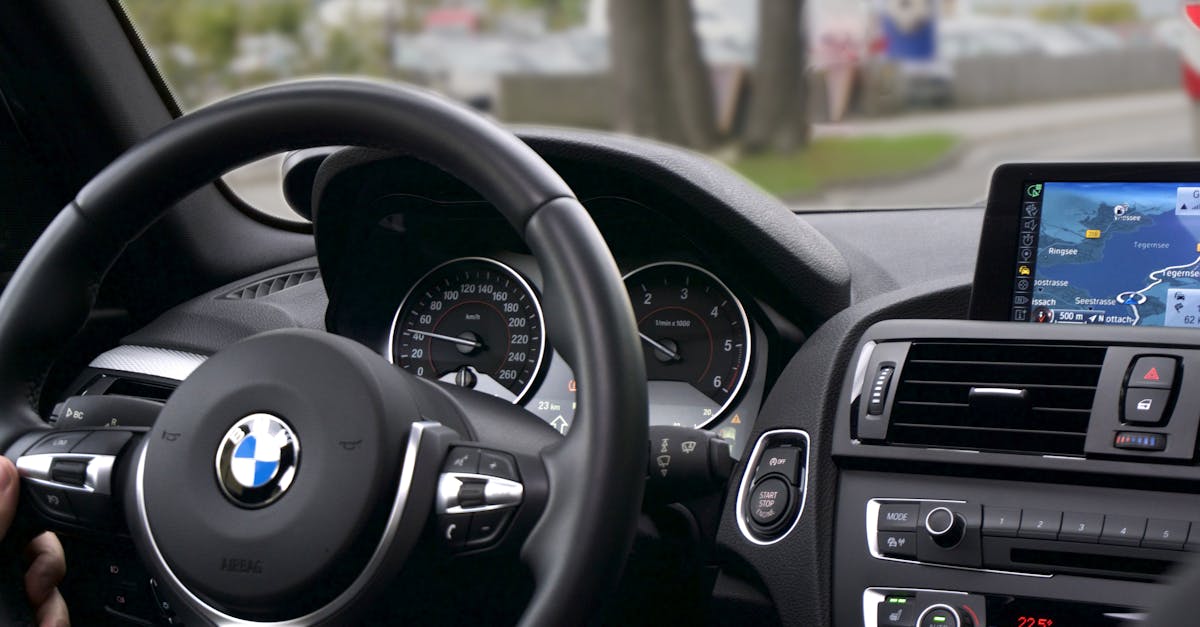 This photo was taken by Ingo Joseph on Pexels.