Italian Language Basics: Essential Phrases Every Tourist Should Know
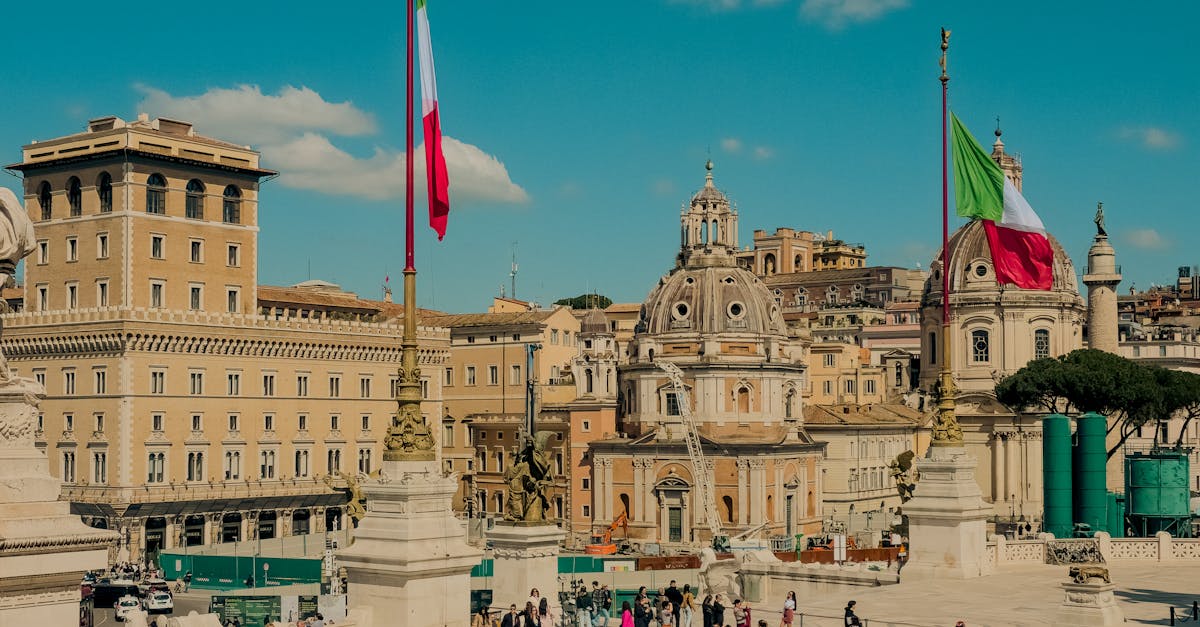 This photo was taken by Paolo Bici on Pexels.
Welcome to the heart of Italy, a land where art, history, and culinary excellence come together in an unforgettable tapestry. While your camera is ready to capture the stunning vistas of Tuscany or the canals of Venice, remember that the true magic of this country often lies in its people—and their beautiful language. Speaking even a few words of Italian can transform a standard tourist experience into a genuine cultural connection, earning you warm smiles and insider tips from locals who appreciate the effort. In this guide, we will equip you with the essential phrases you need to navigate daily life with ease, from opening doors with polite greetings to confidently ordering your perfect espresso or pasta dish. Let's dive in and unlock the authentic Italian spirit together.
Greetings and Politeness: The Key to Opening Doors
In Italy, the way you greet someone is often more important than the words themselves, as a warm "Buongiorno" or "Buonasera" acts as a golden key to unlocking friendly interactions. Unlike in some cultures where rushing straight into a transaction is acceptable, Italians value the ritual of acknowledgment; failing to say hello before asking for directions or placing an order can be perceived as rude and may result in a cold reception. Taking a moment to smile and offer a polite greeting shows respect for local customs and instantly sets a positive tone, transforming a simple exchange into a genuine connection with the people around you.
Once the initial greeting is established, mastering the art of politeness phrases like "Per favore" (please) and "Grazie" (thank you) becomes essential for smoothing your journey through daily encounters. These small courtesies are deeply ingrained in Italian social fabric, and using them correctly demonstrates that you have made an effort to adapt to their culture rather than expecting everyone to accommodate your lack of language skills. Whether you are thanking a waiter for a coffee or apologizing for bumping into someone on a crowded street, a sincere "Scusi" or "Mi dispiace" goes a long way in ensuring you are treated with the warmth and hospitality that Italy is famous for worldwide.
 This photo was taken by cottonbro studio on Pexels.
Navigating the Streets: Essential Directions and Transportation
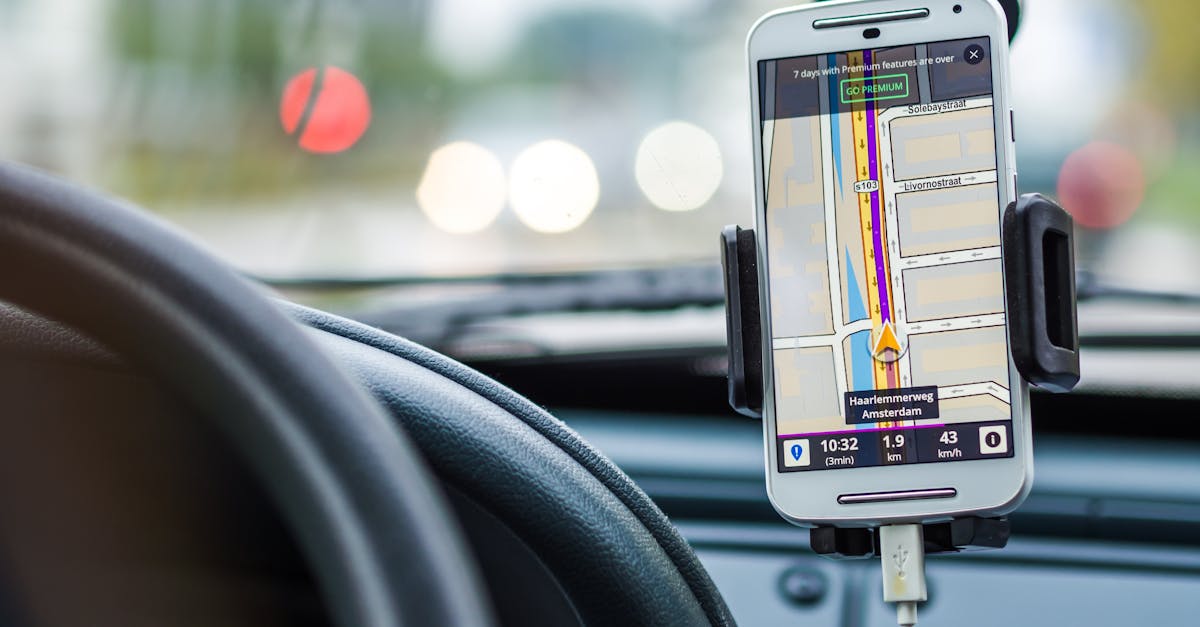
Once you have mastered the basic greetings, understanding how to ask for directions in Italy becomes your next essential skill. While many locals in major cities speak English, using simple Italian phrases like "Dove si trova..." (Where is...) or "Come arrivo a..." (How do I get to...) often elicits warmer and more helpful responses from shopkeepers and residents. When lost, don't hesitate to show a map on your phone; Italians are generally patient with tourists, but adding a polite "Mi scusi" (Excuse me) before pointing out your destination shows respect for their time and culture.
Navigating Italy's intricate transportation networks requires a bit of planning, as systems vary significantly between regions. In bustling hubs like Rome, Milan, and Florence, trams, buses, and metro lines offer efficient ways to reach historic sites, though remember that tickets must be validated upon boarding to avoid hefty fines. For intercity travel, high-speed trains connect most major destinations in under two hours, making them the preferred choice over driving, which can be challenging due to narrow streets and complex traffic zones known as ZTLs. Always check local timetables online or at station kiosks, as schedules may differ during holidays or weekends.
 This photo was taken by Pixabay on Pexels.
Ordering with Confidence: Food, Drink, and Dining Etiquette
Navigating an Italian trattoria or café becomes a delightful adventure when you master the rhythm of ordering with confidence. Always begin your interaction with a polite "Buongiorno" or "Buonasera," followed by "Per favore" (please) and "Grazie" (thank you), as these simple courtesies set a warm tone for your meal. When it comes to drinks, remember that cappuccino is strictly a morning beverage; ordering one after 11:00 AM might earn you a friendly smile from the barista, while espresso at any time is perfectly acceptable. To order water, specify whether you prefer "naturale" (still) or "frizzante" (sparkling), and don't hesitate to ask "Il conto, per favore" when you are ready to pay, as tipping is not mandatory but leaving small change on the table is a appreciated gesture for good service.Dining etiquette in Italy revolves around savoring the moment rather than rushing through a meal, so embrace the local pace where courses are served sequentially and conversation flows freely between dishes. If you are unsure about what to eat, feel free to ask the staff for recommendations using phrases like "Cosa mi consiglia?" (What do you recommend?), showing your appreciation for their culinary expertise. It is also important to note that bread is often placed directly on the tablecloth rather than a plate, and breaking it by hand is the standard method before dipping it into olive oil or sauce. Finally, never rush to finish your coffee; once you have finished your meal, lingering over an espresso is a cherished tradition that allows you to soak in the atmosphere of authentic Italian hospitality.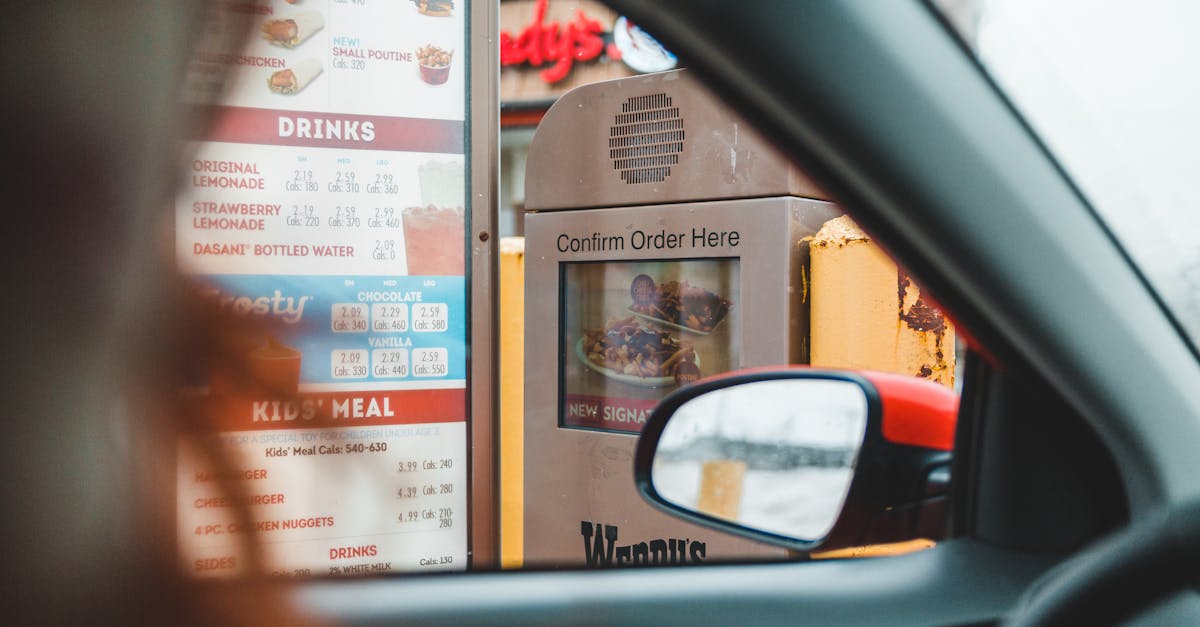 This photo was taken by Erik Mclean on Pexels.