Italian Festivals: Celebrating Culture, Music, and Tradition Year-Round
 This photo was taken by Helena Jankovičová Kováčová on Pexels.
From Carnival in Venice to the Palio of Siena: A Seasonal Journey
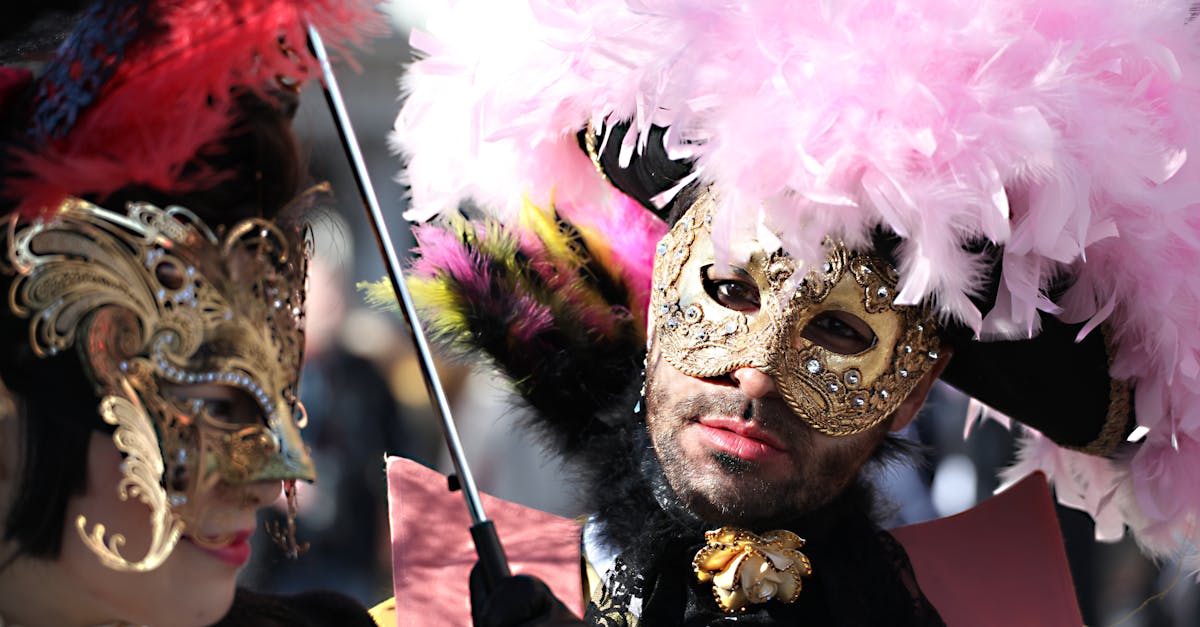
Italy's calendar begins with a burst of vibrant color and mystery as the world-famous Carnival of Venice transforms the city into an open-air theater of history and art. From February, masked figures in elaborate costumes glide across canals during the grand ball at Ca' Rezzonico, while street performers entertain crowds along the Rialto Bridge, creating an atmosphere where time seems to stand still. This celebration of disguise and freedom is not merely a spectacle but a deep-rooted tradition dating back centuries, inviting visitors to lose themselves in the enigmatic allure of La Serenissima before the season shifts toward the solemnity of Lent.
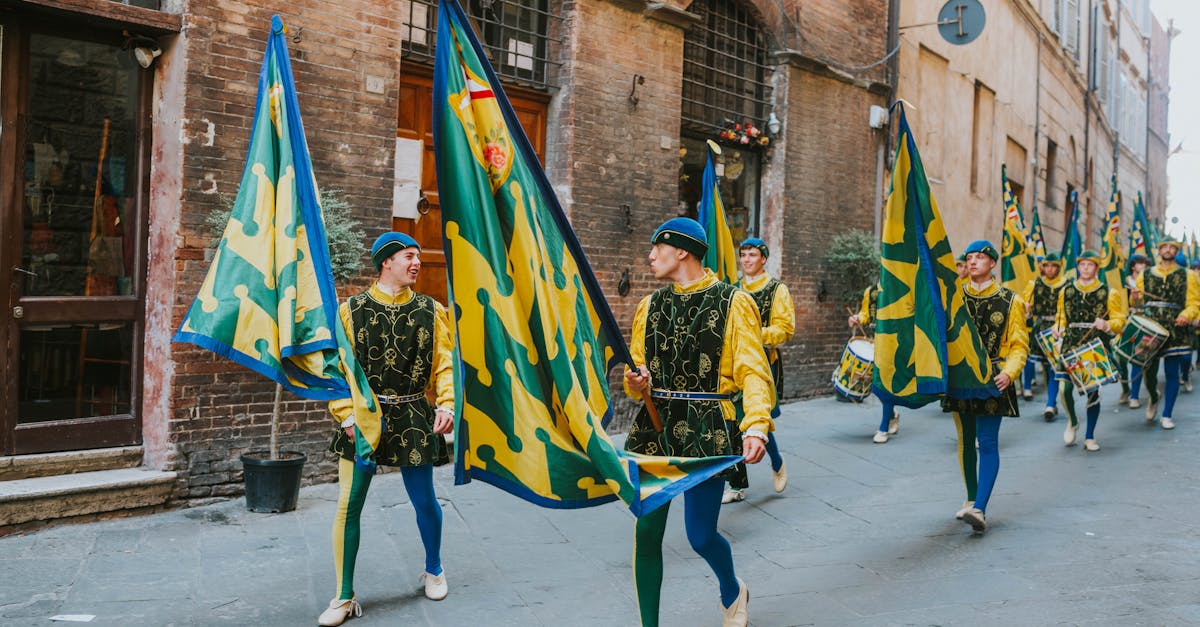
As the year progresses and summer heat intensifies, the focus of Italian pageantry moves south to the historic heart of Siena for the Palio, arguably one of the most thrilling horse races in existence. Held twice a year in the Piazza del Campo, this bareback race is more than a sporting event; it is a fierce expression of civic pride where rival contrade (districts) don their colors and compete with an intensity that has captivated audiences since the 13th century. The weeks leading up to the Palio are filled with medieval processions, flag-throwing displays, and raucous banquets, culminating in a chaotic yet magical evening where the entire city unites to celebrate its enduring traditions under the Tuscan sky.
 This photo was taken by drB drB on Pexels.
The Rhythm of Italy: Traditional Music Festivals Across the Regions
From the sun-drenched hills of Tuscany to the rugged coastlines of Sardinia, Italy's musical landscape is as diverse as its geography, pulsating with rhythms that have echoed through centuries. In the north, the vibrant folk traditions of the Alps come alive during festivals like the Fiera di Sant'Ambrogio in Milan or the unique "Canto a Tenore" competitions in Piedmont, where deep, resonant harmonies mimic the sounds of nature and history. Meanwhile, the south offers an explosive celebration of life with the tarantella dances of Campania and Sicily, often reaching fever pitch during summer sagre dedicated to local patron saints, inviting visitors to join hands in circles that spin faster than the heartbeat of the festival itself.
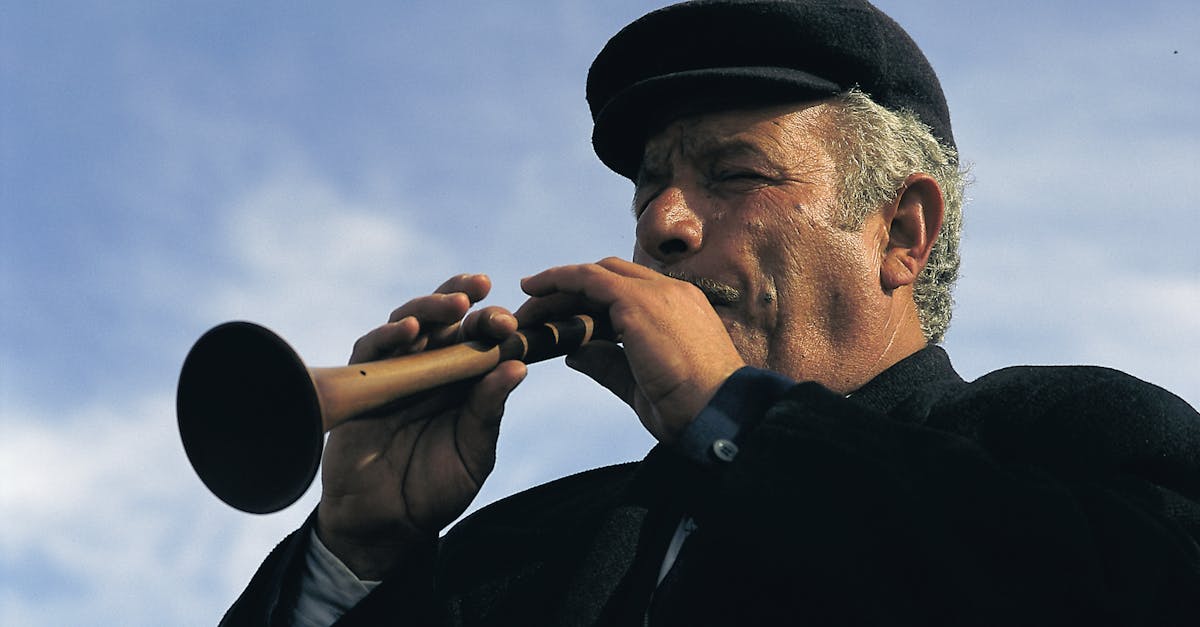
These gatherings are far more than mere entertainment; they are living archives of regional identity where ancient instruments like the organetto, the zampogna bagpipes, and the tamburello frame stories of migration, harvest, and faith. Whether you find yourself under the stars at the Jazz Festival in Umbria, blending classical jazz with medieval chants, or wandering through the narrow streets of Naples for the San Gennaro festivities filled with street musicians and brass bands, the music serves as a universal language that bridges the gap between locals and travelers. By attending these events, tourists do not just observe Italian culture but become part of its continuous, rhythmic narrative, experiencing a connection that transcends time and borders.
 This photo was taken by Pablo RAMON on Pexels.
Savoring Heritage: Food, Faith, and Folklore in Local Celebrations
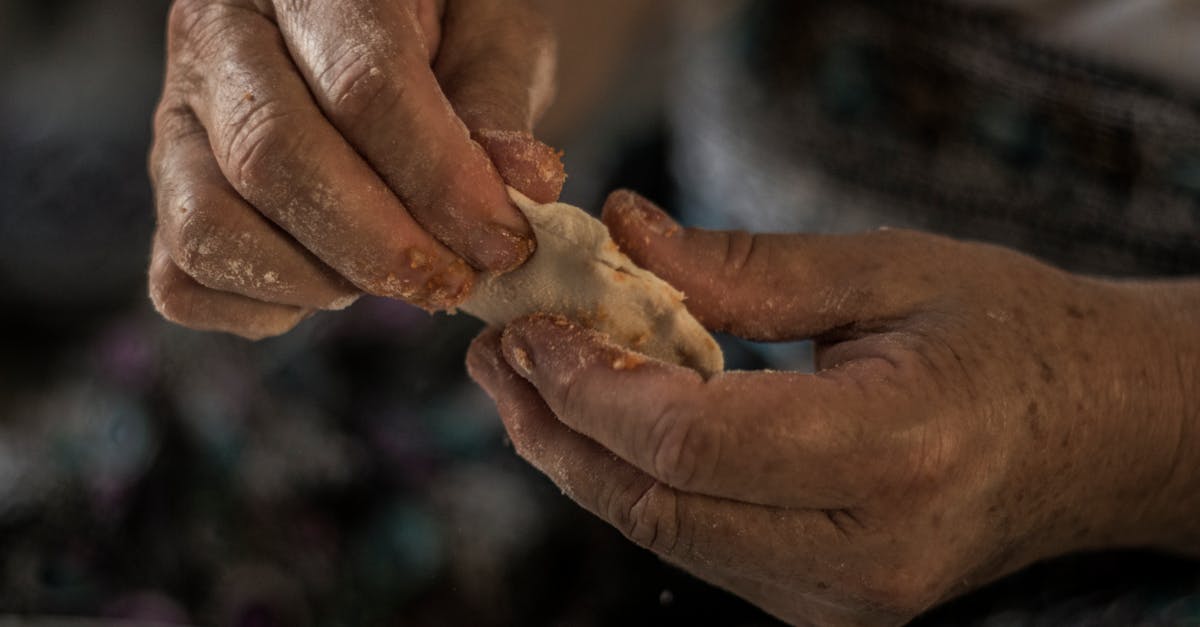
Immersing yourself in an Italian local celebration is akin to stepping into a living tapestry where the flavors of heritage intertwine with ancient traditions. Imagine the aroma of slow-roasted meats and fresh pasta wafting through cobblestone streets during a village feast, where every bite tells a story passed down through generations. These gatherings are not merely about culinary delight; they are a profound expression of faith, often honoring patron saints with vibrant processions that wind through historic piazzas. As you savor the local wines and regional specialties, you become part of a communal ritual that bridges the gap between the spiritual and the earthly, offering a unique glimpse into the soul of the community.
Beyond the plate and the prayer lies the enchanting world of folklore, where music and dance breathe life into centuries-old legends. Whether it is the rhythmic clapping of Tarantella dancers in the south or the solemn, lantern-lit parades of northern winter festivals, these events showcase a rich cultural identity that has been preserved with pride. Locals don traditional costumes adorned with intricate embroidery, performing dances that mimic historical battles or harvest cycles, ensuring that the myths and tales of their ancestors remain vividly alive. Participating in these festivities allows visitors to witness the enduring power of tradition, creating memories that resonate long after the final note of the festival's music fades away.
 This photo was taken by Hikmet Toprak on Pexels.