How to Avoid Tourist Traps: A Local's Tips for Authentic Italian Dining
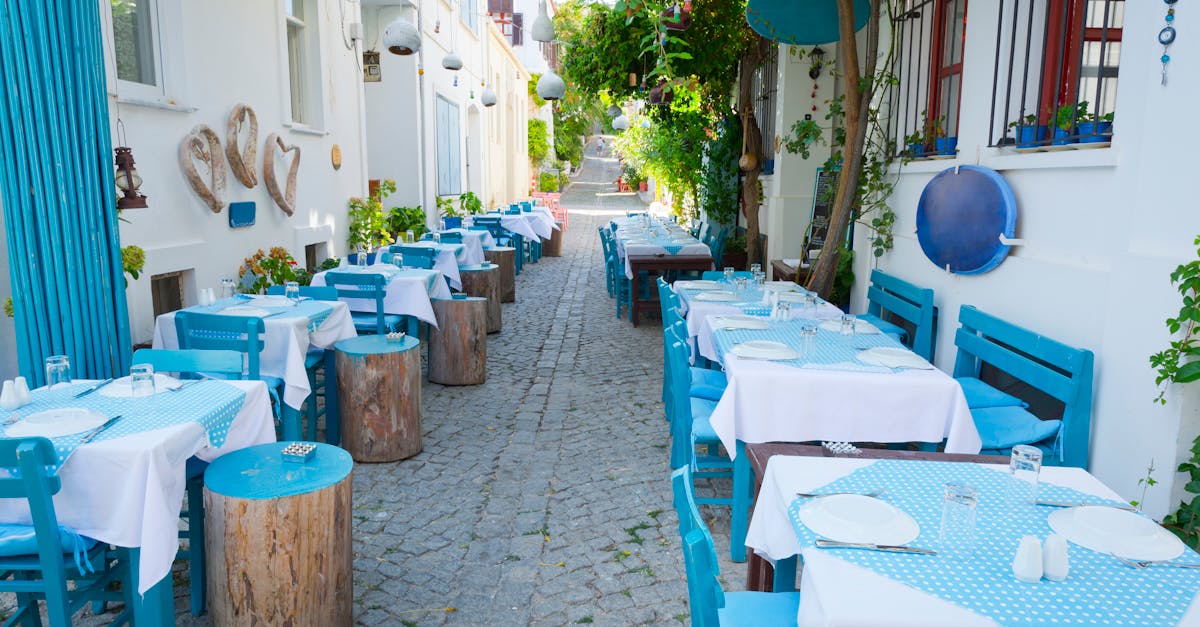 This photo was taken by Adem Percem on Pexels.
There is nothing quite like the magic of sitting down to a genuine Italian meal, surrounded by the clatter of ceramic plates and the warm hum of conversation. Yet, for many visitors, that dream experience is often overshadowed by overpriced menus in English, rubbery pizza served in tourist-heavy squares, and crowds that feel more like a queue than a community. As your local guide, I am here to help you navigate past these common pitfalls and uncover the hidden gems where the real flavors of Italy live. In this post, we will explore how to spot authentic dining spots beyond the "Menu Turistico," discover the neighborhoods where locals actually gather, and master the art of timing your meals just as an Italian would.
Skip the 'Menu Turistico' and Spot the Real Deal
One of the quickest ways to ruin an authentic Italian meal is by falling for the "Menu Turistico," a trap often set just outside major attractions with pictures of food, multilingual signs, and aggressive touts beckoning you inside. These establishments prioritize volume over quality, serving reheated, generic dishes that bear little resemblance to the regional cuisine you came to experience. Instead, venture a few blocks away from the main squares; if you see locals rushing in for lunch or standing in line at a small counter, follow them. The real deal is rarely advertised with flashing neon lights but is instead found in quiet alleyways where the menu is written on a chalkboard, changes daily based on market availability, and is offered only in Italian.
When you do find your spot, observe the patrons: if everyone around you is speaking loudly about football, politics, or family, you have likely stumbled upon a genuine neighborhood trattoria rather than a tourist factory. Authentic Italian dining is deeply rooted in simplicity and seasonality, meaning you will often find fewer items on the menu but with ingredients sourced locally and prepared with care. Resist the urge to order carbonara in Venice or pizza topped with pineapple; true flavor comes from respecting local traditions and asking your server for their personal recommendation, which will almost always lead you to the most delicious and honest dish of the day.
 This photo was taken by mehmetography on Pexels.
Venture Beyond the Piazza: Where Locals Actually Eat
While the bustling piazzas of Rome, Florence, and Venice offer undeniable charm, they are often the epicenters of inflated prices and mediocre cuisine designed solely for passing crowds. To find where locals truly dine, venture just a few streets away from these main thoroughfares into the quiet residential neighborhoods where the aroma of fresh basil and simmering tomato sauce fills the air. Look for small osterias or trattorias with handwritten menus in Italian, limited seating that feels intimate rather than expansive, and signs displaying "Menu del Giorno" (daily menu) – these are strong indicators that the establishment serves genuine home-style cooking at fair prices.
The key to an authentic experience lies in observing the rhythm of the day; Italians typically eat lunch between 1:00 PM and 2:30 PM and dinner no earlier than 8:00 PM, so arriving during off-peak hours can sometimes mean you miss out on the full kitchen service or the lively evening atmosphere. Instead of hunting for English translations or pictures of food outside, simply follow the crowd of neighbors enjoying their aperitivo or waiting tables who speak only Italian. By embracing this local pace and stepping into these unassuming eateries, you will discover dishes prepared with seasonal ingredients and recipes passed down through generations, far removed from the standardized tourist traps that line the main squares.
 This photo was taken by Erik Mclean on Pexels.
The Art of Timing: When to Dine Like an Italian
In Italy, dining is not merely about sustenance but a rhythmic dance of time that varies significantly by region and season. To truly eat like a local, you must respect the sacred windows for meals: lunch typically runs from 1:00 PM to 2:30 PM, while dinner rarely begins before 8:00 PM, with many families gathering only after 9:00 PM. Arriving at a trattoria at 6:00 PM might find you staring at empty tables or a kitchen closed for the day's preparation, as the staff is likely still enjoying their own long midday break or prepping for the evening rush. Embracing this schedule means adapting your itinerary; skip the quick sandwich grab during these hours and instead plan a leisurely afternoon stroll or museum visit, allowing the city to slow down as it prepares for the social ritual of the evening meal.
Furthermore, the art of timing extends beyond just the clock to the seasonal rhythm of ingredients, which dictates the menu in authentic establishments. A true Italian restaurant will change its offerings based on what is fresh in the market that week, meaning that trying to order a heavy risotto in the height of summer or delicate spring vegetables in late autumn can immediately mark you as an outsider. By aligning your dining experience with these natural cycles and respecting the local pace, you avoid the "tourist trap" menus that remain static year-round to cater to hurried visitors. When you dine when Italians dine and eat what they eat, you transform a simple meal into an immersive cultural experience where the food tastes better because it arrives at the perfect moment, both in the calendar and on the clock.
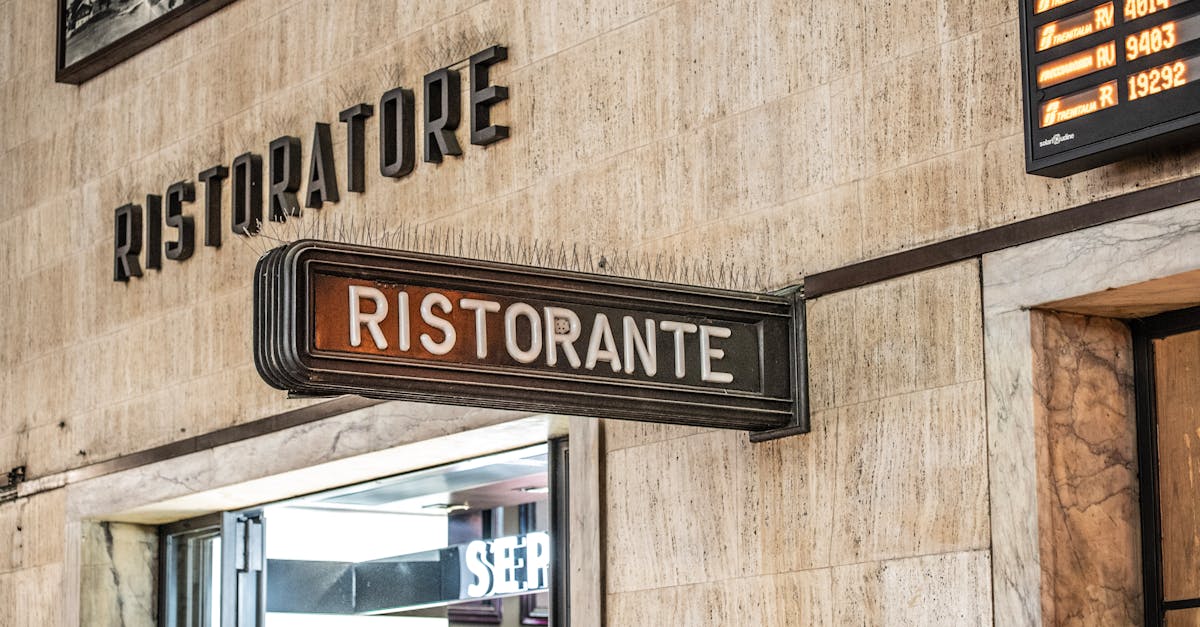 This photo was taken by Mihaela Claudia Puscas on Pexels.