Hiking the Dolomites: Nature's Most Dramatic Landscape
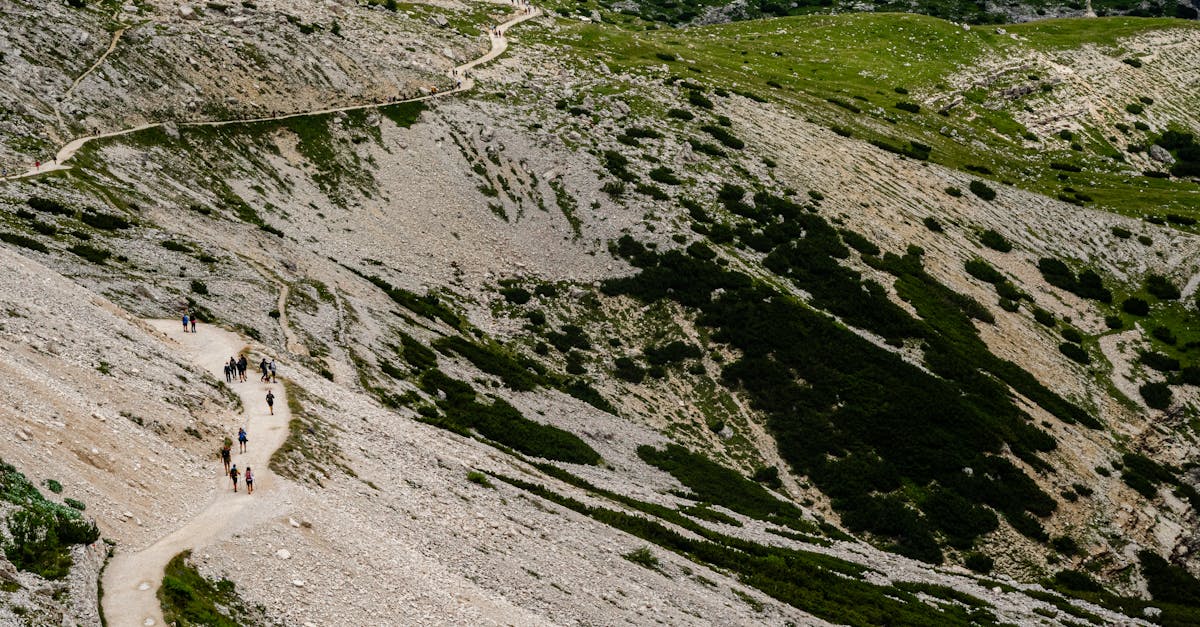 This photo was taken by Jose Rodriguez Ortega on Pexels.
Welcome to the heart of the Italian Alps, where jagged limestone peaks pierce the sky and valleys whisper tales of ancient Ladin heritage. As your guide through this breathtaking region, I invite you to step onto the trails that define the Dolomites, a UNESCO World Heritage site renowned for its dramatic light and sheer verticality. Whether you are drawn by the challenge of the iconic Tre Cime di Lavaredo, the golden hues of autumn larches intertwined with vibrant cultural traditions, or simply the raw beauty of high-altitude wilderness, this journey promises an unforgettable connection with nature. Before we lace up our boots, let's explore what makes these mountains so unique and ensure you are fully prepared to navigate their stunning yet demanding terrain.
Traversing the Tre Cime di Lavaredo: A Day Hike Through Iconic Peaks
Embarking on a day hike through the Tre Cime di Lavaredo offers an unforgettable immersion into the jagged soul of the Dolomites, where three towering limestone peaks pierce the sky like ancient sentinels. The journey begins at the Rifugio Auronzo car park, guiding you along a well-marked trail that winds past vibrant alpine meadows and serene mountain lakes, such as the picturesque Lago di Sorapis if you venture further. As you ascend, the landscape transforms dramatically; the sheer vertical faces of the Cima Grande, Cima Piccola, and Cima Ovest reveal their distinctive pale rock glowing in hues of pink and orange during sunrise and sunset, creating a theatrical backdrop that defines this UNESCO World Heritage site.
The highlight of this trek is undoubtedly the panoramic loop around the base of the Cima Grande, which provides breathtaking views from every angle without requiring technical climbing skills. Along this path, you will encounter historic World War I trenches and tunnels carved directly into the rock, serving as solemn reminders of the fierce battles fought here over a century ago. Whether you pause to admire the intricate geological formations or simply soak in the crisp, thin air, this iconic route encapsulates the raw beauty and dramatic grandeur of Italy's most spectacular mountain range, leaving every visitor with a profound sense of awe and connection to nature.
 This photo was taken by Atypeek Dgn on Pexels.
The Dolomites in Autumn: Witnessing the Ladin Culture and Golden Larches
As the summer crowds retreat, the Dolomites transform into a breathtaking canvas where the rugged limestone peaks of the Sella and Marmolada groups seem to glow with an ethereal light against crisp autumn skies. This season is particularly magical for hikers seeking solitude and dramatic scenery, as the valleys fill with the vibrant hues of golden larches that contrast strikingly against the stark white rock faces. Walking these trails feels like stepping into a living postcard, where the air grows cooler and clearer, inviting you to explore hidden mountain refuges known as rifugios, which serve as warm sanctuaries for weary trekkers eager to savor hearty local stews while gazing out at the panoramic splendor.Beneath this natural grandeur lies a rich tapestry of Ladin culture, a unique Alpine heritage preserved by communities who have inhabited these valleys for over a thousand years. In villages like Val Gardena and Alta Badia, you will encounter charming wooden chalets adorned with intricate carvings and hear the distinct Ladin language spoken alongside Italian, a testament to their resilient identity. Autumn offers a perfect opportunity to engage with this tradition, perhaps by visiting local artisans crafting famous wood sculptures or attending harvest festivals where ancient customs are celebrated with music and dance, allowing visitors to experience not just the landscape's beauty but the enduring soul of the people who call it home. This photo was taken by Erik Mclean on Pexels.
Essential Gear and Safety Tips for High-Altitude Trails
Essential Gear and Safety Tips for High-Altitude Trails
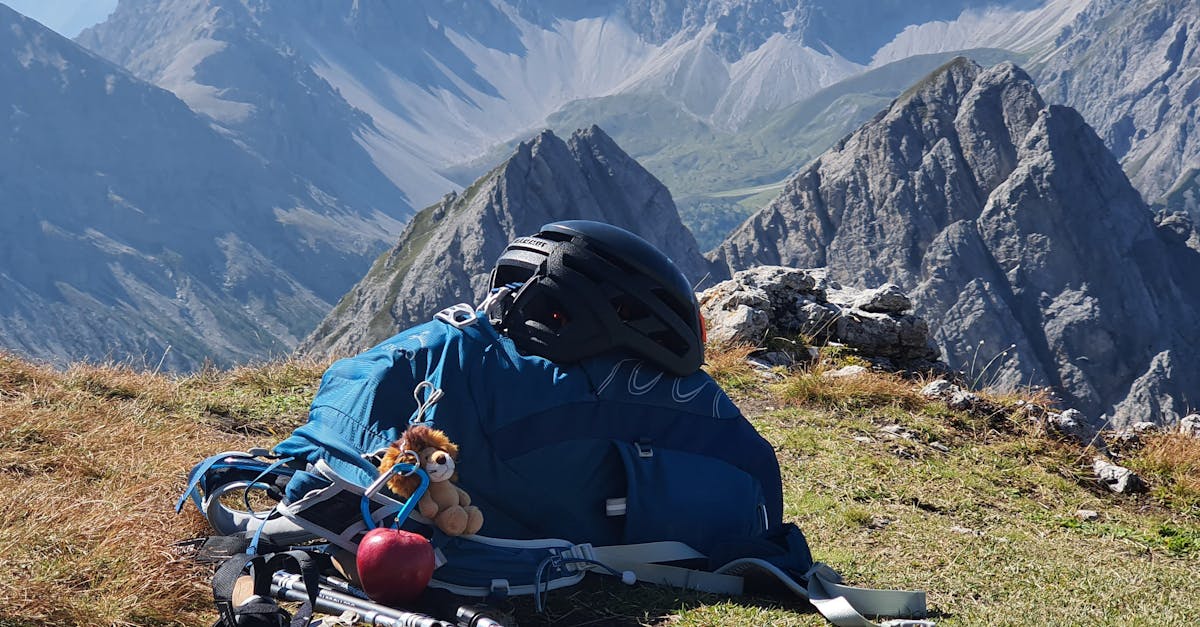
Navigating the jagged peaks of the Dolomites requires more than just a pair of sturdy boots; proper preparation is your first line of defense against the mountain's unpredictable weather. Always pack layers, including a moisture-wicking base, an insulating mid-layer, and a waterproof outer shell, as conditions can shift from sunny alpine meadows to freezing fog within minutes. Your backpack should also carry a detailed topographic map or a reliable GPS device, as many trails lack clear signage above the tree line, along with plenty of water, high-energy snacks, and a basic first-aid kit. Remember that the sun's UV radiation is significantly stronger at altitude, so don't forget high-SPF sunscreen, sunglasses, and a wide-brimmed hat to prevent sunburn and eye strain.
Safety on these dramatic limestone ridges hinges on respecting the "rule of three" regarding time: never start a descent later than 3:00 PM, ensuring you are well below treeline before dusk when temperatures plummet rapidly. The Dolomites are famous for their "via ferrata" routes, which require a specific harness and lanyard system, but even on standard hiking paths, be cautious of loose scree and sudden rockfalls, especially after rain or thaw. If you encounter a storm, seek shelter in a designated rifugio (mountain hut) rather than attempting to cross exposed summits, and always inform someone of your planned itinerary before setting off, as mobile signal coverage can be sporadic in deep valleys. By staying informed and prepared, you ensure that your journey through this UNESCO World Heritage site remains a memorable adventure rather than a dangerous ordeal.
 This photo was taken by Wojciech Kozon on Pexels.