Hiking the Dolomites: Nature's Masterpiece in Northern Italy
 This photo was taken by Nicola Toscan on Pexels.
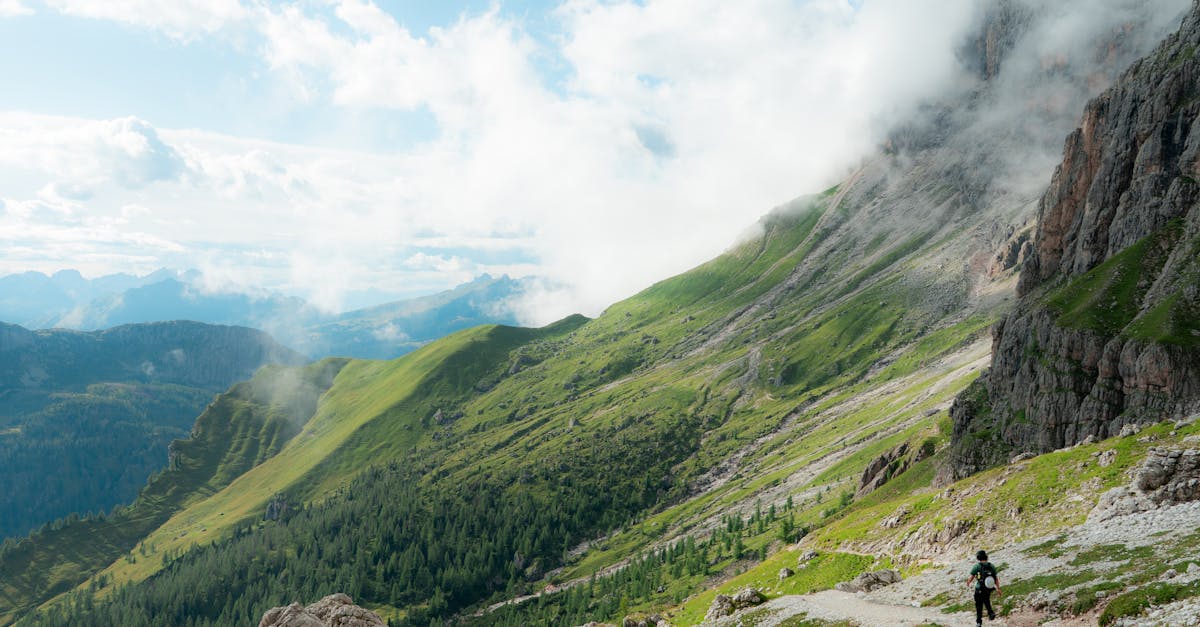
Welcome to the Dolomites, a UNESCO World Heritage site where jagged limestone peaks pierce the sky in shades of pale pink and grey, creating a landscape that feels more like a painting than reality. Located in Northern Italy, this mountain range offers an unparalleled blend of dramatic geology, lush valleys, and charming alpine villages that have captivated hikers for generations. Whether you are seeking the thrill of challenging summits or a leisurely stroll through meadows filled with wildflowers, our guide will lead you through the very best experiences this natural masterpiece has to offer. Get ready to lace up your boots as we explore the essential gear you'll need, the perfect seasons to visit, the most iconic trails winding through these pale giants, and finally, how to reward yourself with authentic, hearty alpine cuisine after a day spent under the open sky.
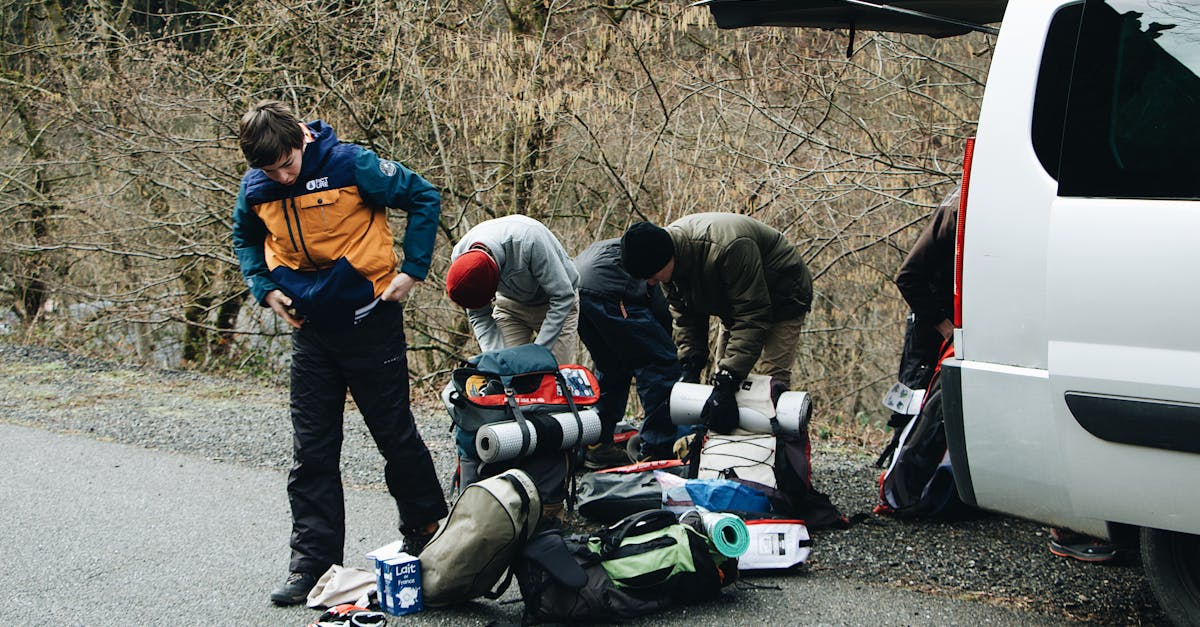
Preparing for Your Adventure: Gear and Best Times to Visit
 This photo was taken by Maël BALLAND on Pexels.
Iconic Trails Through the Pale Peaks
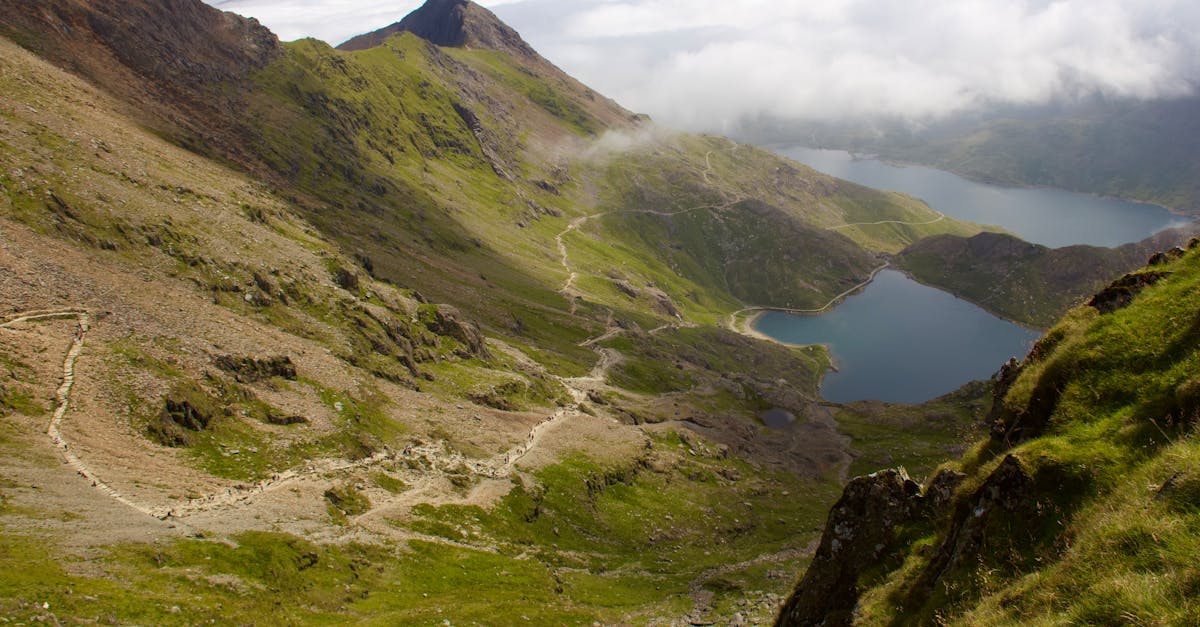
Prepare your boots for the breathtaking ascent through the Pale Peaks, where jagged limestone towers pierce the sky in a surreal dance of light and shadow. The Dolomites offer a network of trails that wind past ancient glaciers and alpine meadows, leading you to iconic summits like Tre Cime di Lavaredo, whose three distinct spires stand as silent sentinels against the horizon. Whether you choose the gentle loop around Lago di Braies or the challenging via ferrata routes that hug sheer cliff faces, every step reveals a landscape sculpted by millions of years of geological history, offering hikers an unparalleled connection with nature's raw beauty.
As you traverse these legendary paths, keep your eyes on the dramatic play of colors known as the Enrosadira, where the mountains glow in fiery hues of pink, orange, and purple at sunset. This magical phenomenon transforms the pale rock into a living canvas, creating moments of pure awe that have inspired poets and artists for centuries. Beyond the physical challenge, these trails provide a sanctuary of tranquility, allowing you to breathe in the crisp mountain air and listen to the silence broken only by the distant call of chamois, making a journey through the Dolomites not just a hike, but a spiritual pilgrimage through one of Italy's most majestic natural wonders.
 This photo was taken by limshig on Pexels.
Savoring Alpine Cuisine After a Day on the Trail
After a day of traversing the jagged peaks and verdant valleys of the Dolomites, there is no greater reward than seeking refuge in a traditional mountain hut, or rifugio. These rustic sanctuaries offer more than just shelter; they are culinary time capsules where the air is thick with the aroma of melting cheese and roasting meats. Here, you can indulge in hearty staples like canederli, those savory bread dumplings often served in rich broth or with melted butter, and speck, the locally cured ham that carries the distinct scent of pine forests. As you warm your hands around a steaming mug of herbal tea or a glass of crisp white wine from nearby Alto Adige, the rugged beauty of the landscape outside seems to fade into the background, replaced by the comforting glow of the hearth.
The true essence of Alpine dining lies in its simplicity and the deep connection to the land, a philosophy perfectly embodied in the region's signature dish, polenta. Whether it is slow-cooked until creamy and topped with wild mushroom ragout or grilled alongside succulent sausages, this cornmeal staple provides the perfect energy to recover from an afternoon of hiking. For dessert, treat yourself to strudel filled with local apples and cinnamon, or perhaps a dense slice of honey cake, savoring flavors that have sustained mountain communities for centuries. It is in these quiet moments, surrounded by the clatter of wooden cutlery and the laughter of fellow travelers, that you truly understand why the Dolomites are not just a place to visit, but a destination to be experienced through every sense.
 This photo was taken by Nadin Sh on Pexels.