Hiking the Dolomites: A Guide for Adventure Seekers
 This photo was taken by Jose Rodriguez Ortega on Pexels.
Benvenuti, amici dell'avventura! If you have ever dreamed of walking among jagged peaks that seem to pierce the very sky, then the Dolomites are calling your name. As a local guide who has spent countless summers and winters exploring these UNESCO World Heritage mountains, I can tell you that this is not just a hike; it is a spiritual journey through some of the most dramatic landscapes on Earth. Whether you are a seasoned mountaineer seeking the thrill of technical routes or a nature lover eager for gentle walks with breathtaking views, our adventure begins here. In this guide, we will help you navigate the perfect trail for your skill level, ensure you are fully equipped with essential gear and safety tips for high-altitude conditions, and lead you to the hidden gems of crystal-clear alpine lakes and cozy mountain refuges where you can rest and recharge. Get ready to lace up your boots and discover why the Dolomites remain the ultimate playground for those who seek the extraordinary.
Choosing the Perfect Trail for Your Skill Level
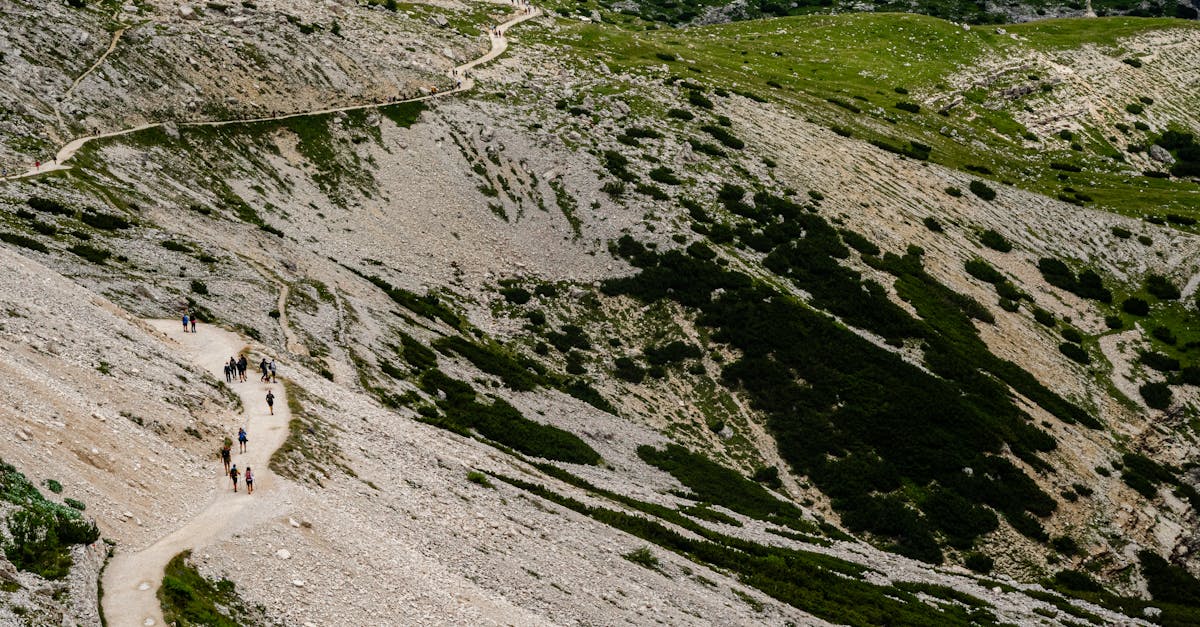
Before you lace up your boots in the heart of the Dolomites, it is crucial to assess your hiking experience honestly, as these UNESCO-listed peaks offer a spectrum of trails ranging from gentle valley strolls to technical via ferratas. For beginners or families seeking an introduction to the region, the Val Gardena and Alta Badia valleys provide well-marked, flat paths that wind through lush meadows and ancient larch forests, offering breathtaking views of the Sella Group without demanding serious altitude gain. These routes are perfect for enjoying the iconic pale rock formations while acclimatizing to the mountain air, ensuring that even those with limited fitness levels can immerse themselves in the magic of the Italian Alps.
For seasoned hikers craving a true adventure, the Dolomites present challenging high-altitude circuits like the Tre Cime di Lavaredo loop or the rugged ascent to Rifugio Locatelli, where steep switchbacks and exposed ridges test both endurance and nerve. These advanced trails often require prior preparation, including knowledge of weather patterns and proper gear, but they reward intrepid travelers with panoramic vistas that stretch across jagged spires and deep glacial valleys. Whether you choose a multi-day trek along the Great Dolomites Road or a day-hike on a technical via ferrata, selecting a path that matches your skill level ensures a safe journey while allowing you to fully appreciate the raw, dramatic beauty that makes this region a world-class destination for outdoor enthusiasts.
 This photo was taken by Sam Lion on Pexels.
Essential Gear and Safety Tips for High Altitude Hiking
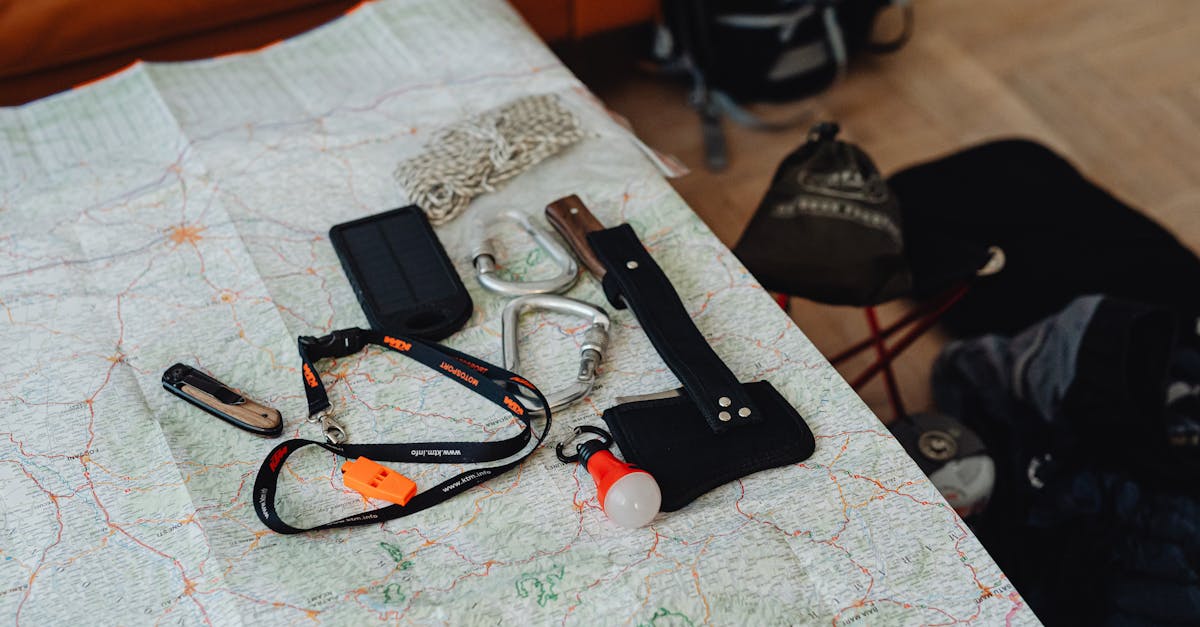
When embarking on a trek through the jagged peaks of the Dolomites, your gear selection is just as critical as your physical fitness. The mountain weather here can shift from brilliant sunshine to fierce storms in mere minutes, so a layered clothing system is non-negotiable; start with a moisture-wicking base layer, add an insulating mid-layer like fleece or down, and top it off with a high-quality, waterproof, and breathable shell jacket. Don't forget sturdy, broken-in hiking boots with excellent ankle support to navigate the often loose scree and rocky terrain, along with a reliable map, compass, or GPS device, as cellular signal can be unreliable at higher elevations. A headlamp is essential for early starts or unexpected delays, and always pack more water and high-energy snacks than you think you will need.
Safety in the Dolomites goes beyond packing the right equipment; it requires respecting the unique alpine environment and knowing when to turn back. Always check the official weather forecast before leaving your accommodation, as afternoon thunderstorms are common in summer and can create dangerous lightning risks on exposed ridges. Familiarize yourself with the refuge system (rifugi), which provides shelter and meals along major routes, but remember that they can fill up quickly during peak season, so booking in advance is wise. Finally, inform someone of your planned itinerary and expected return time, and never hesitate to descend if conditions deteriorate, as the mountains will always be there to hike another day.
 This photo was taken by www.kaboompics.com on Pexels.
Must-See Alpine Lakes and Mountain Refuges
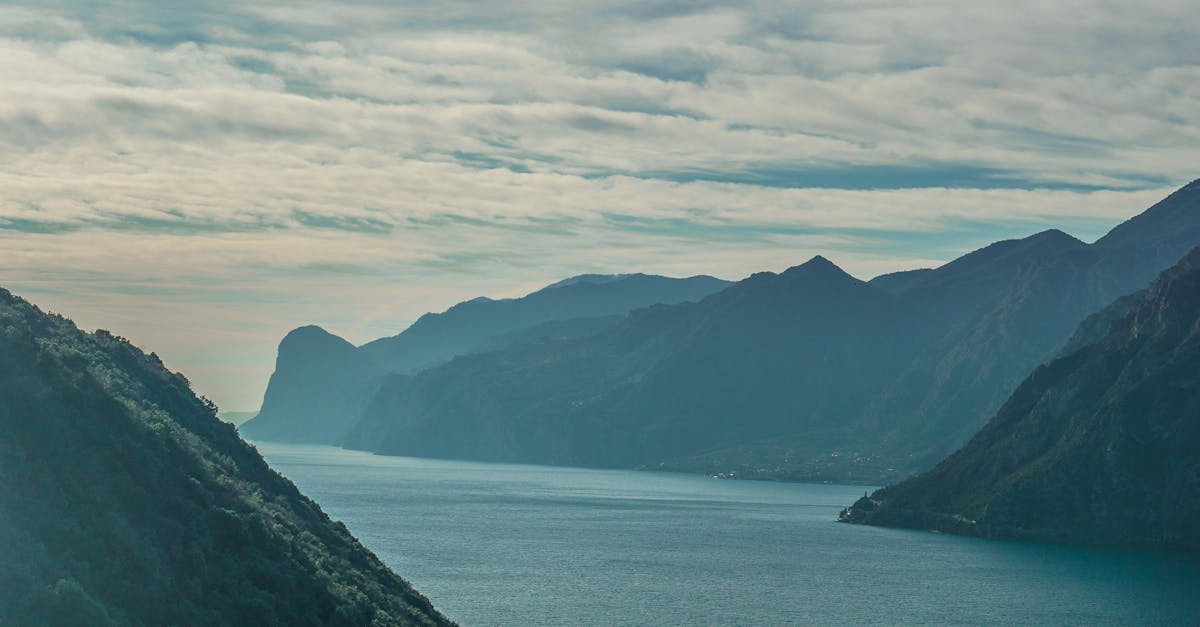
Nestled within the jagged peaks of the Dolomites, a UNESCO World Heritage site, lies a collection of alpine lakes that serve as nature's most breathtaking mirrors. From the turquoise depths of Lago di Braies to the serene reflection of Tre Cime di Lavaredo in its namesake lake, these waters offer a tranquil counterpoint to the rugged verticality of the surrounding rock faces. Whether you are paddling a small boat at sunrise or simply sitting by the shore to watch the light shift across the pale limestone cliffs, each lake provides a moment of pure serenity that defines the soul of this mountain range.
No adventure in the Dolomites is complete without experiencing the legendary rifugio system, which acts as both a sanctuary and a social hub for hikers traversing the Alta Via trails. These historic mountain refuges, often perched on precarious ledges or nestled in green valleys, offer hearty local cuisine like canederli soup and polenta, alongside warm beds after a day of scrambling through scenic passes. Staying overnight in a rifugio not only allows you to catch the spectacular alpenglow painting the peaks in shades of pink and orange but also connects you with the rich tradition of mountain hospitality that has sustained travelers for over a century.
 This photo was taken by Elia Zanrosso on Pexels.