Hiking the Dolomites: A Beginner's Guide to Italy's Mountains
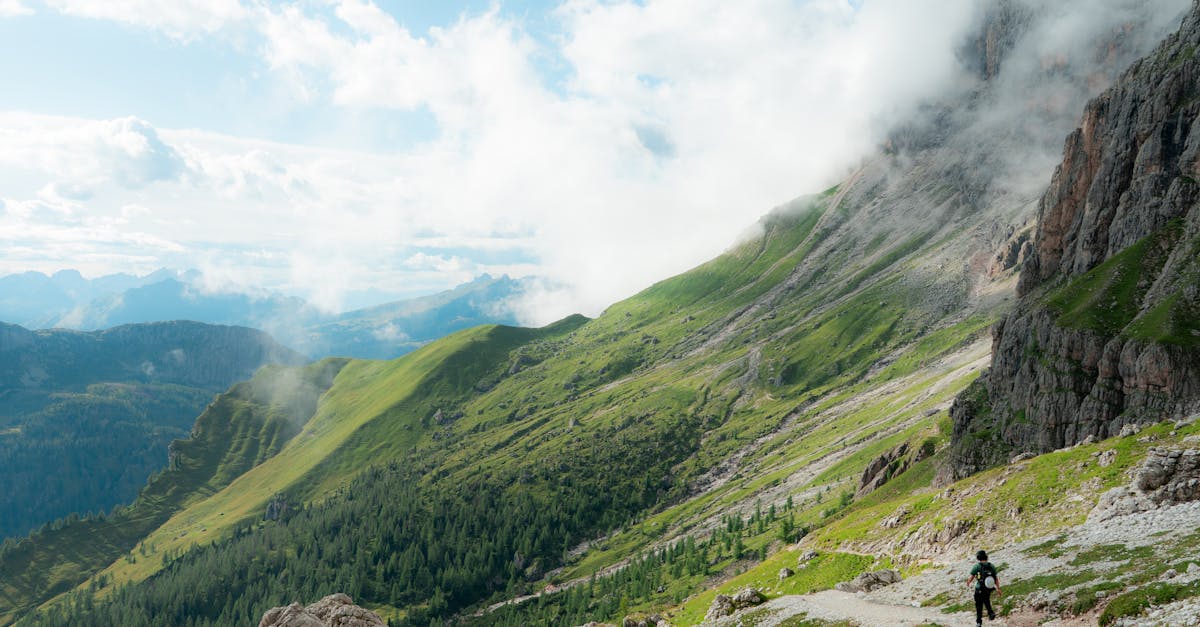 This photo was taken by Nicola Toscan on Pexels.
Welcome to the heart of Italy's majestic mountain range! If you have ever dreamed of walking among jagged peaks, lush alpine meadows, and UNESCO World Heritage sites, the Dolomites are calling your name. As a local guide, I know that while these mountains can seem intimidating at first glance, they offer some of the most rewarding and accessible hiking experiences in Europe for travelers just starting their adventure. In this guide, we will walk you through selecting your perfect first trail, ensuring you pack the right gear for safety, and discovering the best times to visit along with cozy places to rest your head after a day on the path. Get ready to lace up your boots and discover why the Dolomites are truly a hiker's paradise.
Choosing Your First Trail: Easy Routes for Beginners
Welcome to the breathtaking Dolomites, where even the most novice hikers can find a path that offers stunning views without the intimidation of technical climbing. For your first adventure, I highly recommend starting with the "Sentiero delle Dolomiti" sections near Cortina d'Ampezzo or the gentle loops around Lake Braies, which are well-marked and mostly flat. These routes allow you to soak in the iconic pale peaks and lush valleys while building your confidence, often featuring charming rifugios (mountain huts) along the way where you can rest and enjoy a hearty pasta dish or a refreshing glass of local wine.
When selecting your initial trail, always prioritize paths marked with white-red-white stripes, as these indicate standard hiking routes maintained by the local authorities and are generally safe for those with moderate fitness levels. It is crucial to start early in the morning to avoid afternoon thunderstorms, a common occurrence in the mountains during summer, and to bring plenty of water and layers regardless of the sunny weather at the base. By choosing an accessible route like the Tre Cime di Lavaredo loop or the easy walk around Seceda, you will experience the magic of Italy's UNESCO World Heritage landscape without overexerting yourself, setting the perfect tone for future explorations in this majestic region.
 This photo was taken by Michał Robak on Pexels.
Essential Gear and Safety Tips for the Dolomites
Essential Gear and Safety Tips for the Dolomites
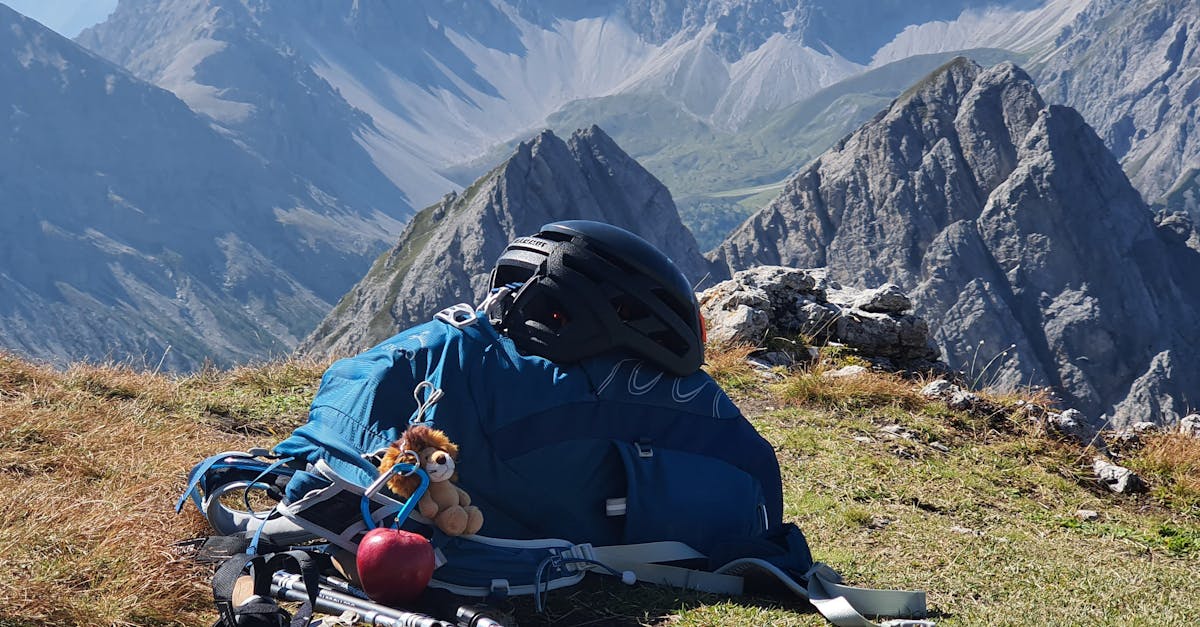
To truly enjoy the dramatic limestone peaks of the Dolomites, proper preparation is your first step toward a safe adventure. Even on well-marked trails that are suitable for beginners, mountain weather can shift rapidly from sunny skies to sudden fog or rain, so layering is key; bring moisture-wicking base layers, an insulating mid-layer, and a waterproof outer shell. Your footwear should be sturdy hiking boots with excellent ankle support and grip, as the terrain often features loose scree and rocky paths where sneakers will fail you. Don't forget essentials like a detailed map or offline GPS app, plenty of water, high-energy snacks, and a basic first-aid kit, as help may not be immediately available in more remote areas.
Safety in the Dolomites also relies heavily on respecting the local regulations and natural rhythms of the mountains. Always check the official weather forecast before setting out and start your hike early in the morning to avoid afternoon thunderstorms, which are common in summer months and can make exposed ridges dangerous. Familiarize yourself with the trail grading system (T1 to T4) and choose routes that match your fitness level, never attempting a difficult path just because it looks scenic from below. If you encounter uncertainty about your location or feel unsafe, do not hesitate to seek shelter in one of the numerous Rifugios scattered across the valleys, which offer warm meals and assistance while you wait for conditions to improve.
 This photo was taken by Wojciech Kozon on Pexels.
Best Seasons to Hike and Where to Stay
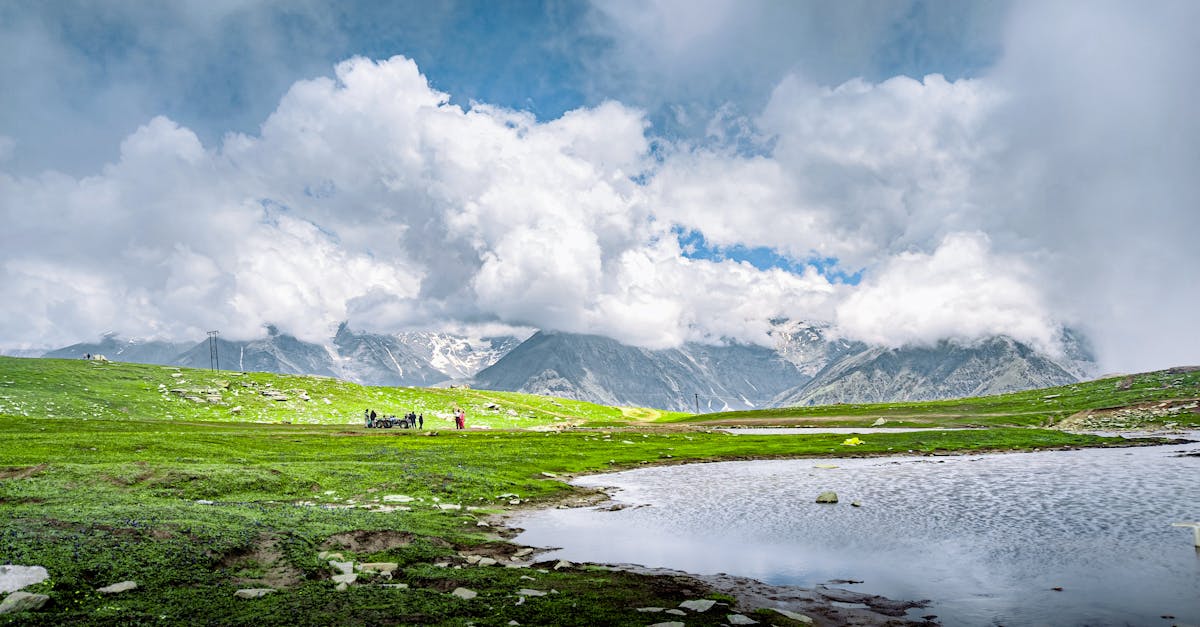
The Dolomites transform dramatically with the seasons, offering distinct experiences for hikers depending on when you visit. The golden months of late June through September provide the most reliable weather, with wildflowers carpeting the alpine meadows in July and August, while early autumn in October paints the larch forests in vibrant shades of gold and rust. However, beginners should avoid the peak summer heat in lower valleys and aim for the shoulder seasons of May-June or September-October to enjoy cooler temperatures and fewer crowds. Winter is a magical but challenging time reserved for experienced skiers and snowshoers, as many high-altitude trails remain inaccessible due to deep snow, making the warmer months the ideal window for your first mountain adventure.
When planning your stay, consider lodging that balances comfort with proximity to trailheads to maximize your hiking time. For a quintessential Dolomite experience, book a "rifugio" (mountain hut) nestled directly into the rock faces; these historic refuges offer hearty local cuisine, dormitory-style rooms, and unparalleled sunrise views from the mountainside, though they require booking months in advance. Alternatively, staying in charming valley towns like Ortisei, Cortina d'Ampezzo, or Arabba provides access to well-equipped hotels and apartments where you can relax in saunas after a day on the trails. These hubs also serve as excellent transport nodes, allowing you to hop on the efficient cable cars and buses that whisk you up to the higher passes without needing a car.
 This photo was taken by Lens Of Pritam on Pexels.