Hiking the Dolomites: A Beginner's Guide to Italy's Mountain Paradise
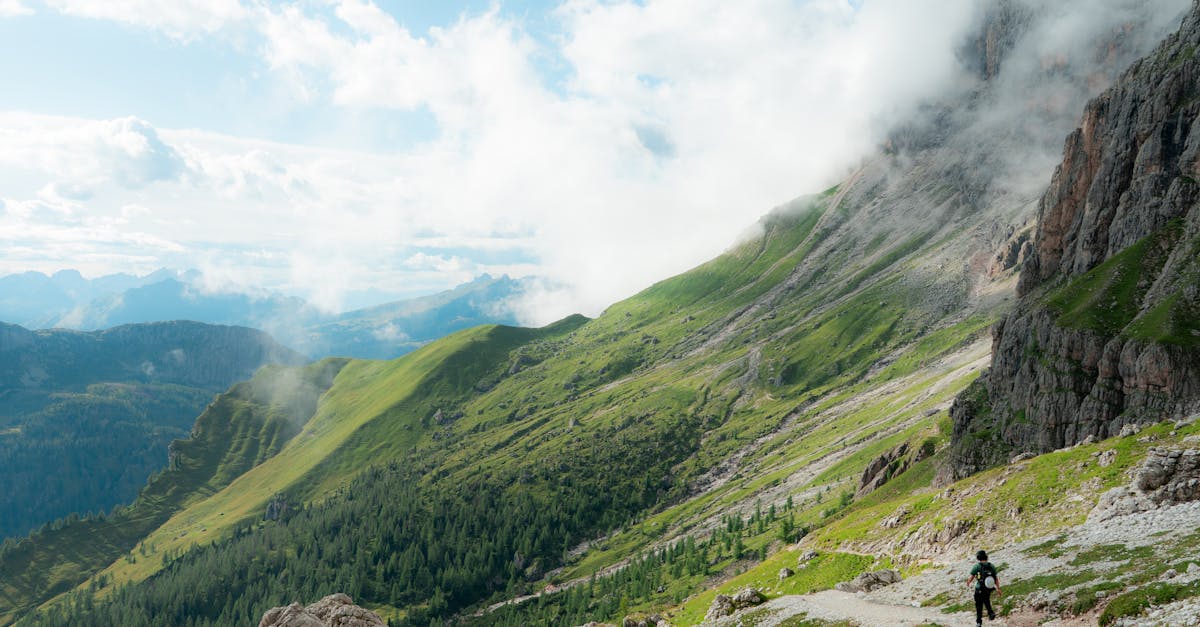 This photo was taken by Nicola Toscan on Pexels.
Welcome to the heart of Italy's most breathtaking landscape! The Dolomites, a UNESCO World Heritage site rising dramatically from the Venetian plains, offer a magical blend of jagged peaks, lush meadows, and charming mountain huts that have captivated travelers for centuries. If you are dreaming of exploring these "Pale Mountains" but feel unsure where to start, you have come to the right place. In this guide, we will walk you through selecting your perfect first trail among the gentlest routes, ensure you are equipped with the essential gear and safety knowledge needed for high-altitude adventures, and help you plan the ideal time of year to witness their seasonal splendor. Get ready to lace up your boots and discover why these mountains are truly a paradise waiting for you.
Choosing Your First Trail: Easy Routes for Beginners
For those taking their first steps into the Dolomites, starting with a gentle ascent is the key to building confidence and truly soaking in the dramatic beauty of these UNESCO World Heritage peaks. The Tre Cime di Lavaredo circuit offers a perfect introduction; this relatively flat loop around the iconic three towers provides breathtaking panoramic views without demanding technical climbing skills or significant altitude gain. Similarly, the area around Lago di Braies invites hikers to wander along its crystal-clear shores before tackling the short, well-marked path up to Prags Valley, where you can enjoy a traditional lunch at a mountain hut while surrounded by lush meadows and towering limestone cliffs.
When planning your journey, remember that Italian trail markers are color-coded for clarity, with red-and-white stripes indicating the most accessible routes suitable for beginners. It is advisable to choose trails that start from valley floors rather than high-altitude parking lots, as this allows your body to acclimatize gradually to the thinner air and reduces the physical strain on steep gradients. By selecting these easier paths during the summer months, you will not only avoid the crowds found on more strenuous routes but also have ample time to stop frequently for photos, savor an espresso at a rifugio, and appreciate the unique geology that makes the Dolomites a true paradise for nature lovers.
 This photo was taken by Michał Robak on Pexels.
Essential Gear and Safety Tips for High-Altitude Hiking
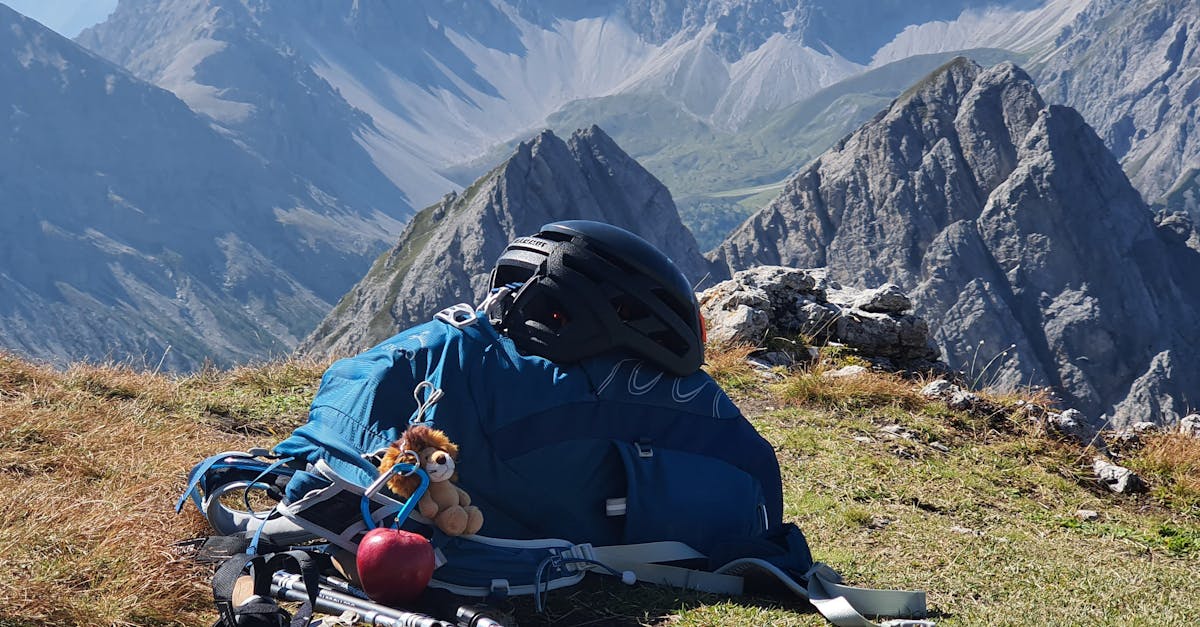
Preparing for the rugged beauty of the Dolomites requires more than just enthusiasm; you need the right equipment to handle their dramatic granite peaks and unpredictable weather. Even on summer days, temperatures can plummet rapidly at high altitudes, so layering is your best defense—start with a moisture-wicking base, add an insulating fleece or down jacket, and top it off with a waterproof and windproof shell. Sturdy, broken-in hiking boots with excellent ankle support are non-negotiable given the rocky terrain and potential scree slopes, while trekking poles will significantly reduce strain on your knees during steep ascents and descents. Don't forget to pack essentials like a detailed map or offline GPS app, plenty of water, high-energy snacks, sunscreen, and sunglasses, as the intense UV reflection off the pale limestone can cause sunburn and eye strain even on cloudy days.
Safety in the Dolomites hinges on respecting the mountain's power and knowing when to turn back, as conditions can change within minutes. Always check the local weather forecast before setting out and be aware that afternoon thunderstorms are common in July and August, often bringing lightning risks near exposed ridges; aim to summit early and descend well before noon. Familiarize yourself with the refuge system (rifugi), which offers shelter and meals along many routes, but remember they can fill up quickly during peak season, so planning your overnight stops in advance is crucial. If you feel unwell or encounter dangerous weather, trust your instincts and retreat immediately; the mountains will always be there another day, but your safety should never be compromised by the desire to reach a specific peak.
 This photo was taken by Wojciech Kozon on Pexels.
Best Seasons to Visit and What to Expect
 This photo was taken by Sanjeev Singh on Pexels.