Hiking and Nature: Trekking Through the Dolomites and Apennines
 This photo was taken by Jose Rodriguez Ortega on Pexels.
When the city lights fade and the noise of daily life quiets down, Italy reveals its most majestic secret: a landscape where rugged peaks pierce the sky and ancient forests whisper tales of centuries past. From the dramatic, pale limestone spires of the Dolomites in the north to the lush, rolling spine of the Apennines stretching across the peninsula, our mountains offer an unparalleled adventure for every kind of explorer. Whether you are seeking the thrill of high-altitude trails or the serenity of hidden valleys, this journey invites you to lace up your boots and discover the raw beauty of Italian nature. In this guide, we will navigate the unique geology of the Pale Mountains, explore the verdant trails of the Green Backbone, and share essential seasonal secrets and safety tips to ensure your trekking experience is as safe as it is unforgettable.
Discovering the Pale Mountains: A Guide to Dolomites Trekking
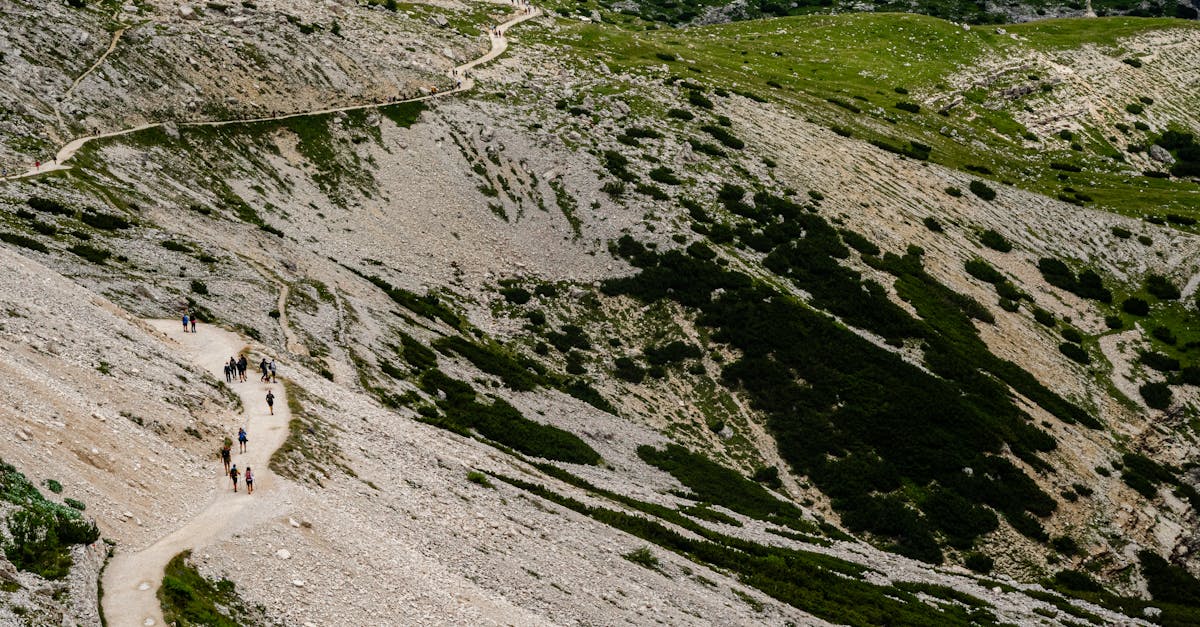
Nestled in the heart of Northern Italy, the Dolomites offer a surreal landscape where jagged limestone peaks pierce the sky, creating a natural amphitheater that has captivated hikers for centuries. Known as the "Pale Mountains" for their striking light-colored rock faces that glow golden at sunrise and pink at sunset, this UNESCO World Heritage site provides an unparalleled trekking experience. Whether you are tackling the challenging Alta Via routes or enjoying a leisurely stroll through the Val Gardena valleys, every step reveals dramatic formations like the Tre Cime di Lavaredo and the iconic Sella Pass, all set against a backdrop of pristine alpine meadows dotted with wildflowers in summer.
As you weave through these ancient trails, you will discover a rich tapestry of culture woven into the very stone of the mountains, from traditional Ladin villages to historic WWI fortifications carved directly into the cliffs. The Dolomites are not just about physical exertion; they invite a deep connection with nature, offering serene refuges like the Rifugio Nuvolau for a well-deserved break with a view of the surrounding giants. With a network of well-marked paths ranging from beginner-friendly loops to multi-day treks requiring mountaineering skills, the region ensures that every visitor, regardless of their experience level, can find a perfect path to explore its majestic beauty.
 This photo was taken by Niklas Jeromin on Pexels.
The Green Backbone: Exploring the Apennine Trails
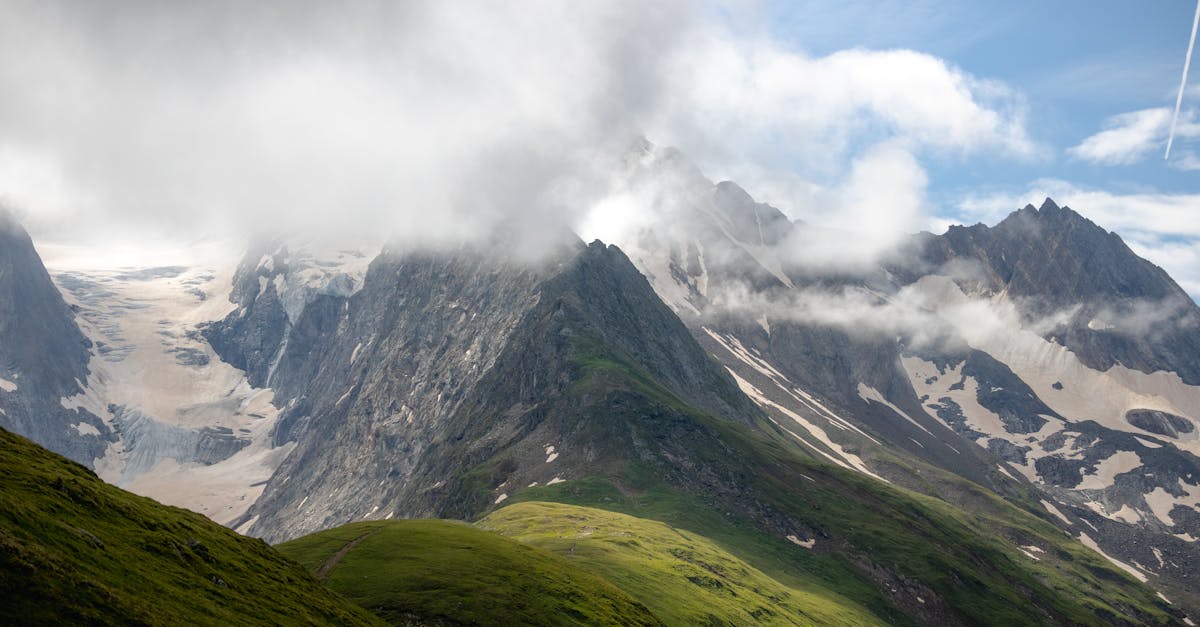
Stretching like a rugged spine down the entire length of the Italian peninsula, the Apennines offer a profoundly different yet equally captivating experience compared to the jagged peaks of the north. While the Dolomites are famous for their vertical drama, the Apennine trails invite you into a world of rolling hills, ancient chestnut forests, and charming stone villages that seem frozen in time. Whether you are walking the historic Via Francigena or exploring the wilder paths of the Gran Sasso National Park, you will find a landscape rich with biodiversity, from the rare Abruzzo chamois to vast meadows blooming with wildflowers in spring. This "green backbone" provides a serene escape where the rhythm of your hike is matched only by the gentle rustle of leaves and the distant call of birds, offering an authentic glimpse into Italy's rural soul.
For the intrepid trekker, the Apennines present a network of well-marked itineraries that reward patience with breathtaking panoramic views and deep cultural immersion. Unlike the high-altitude technical climbs found elsewhere, these trails often wind through medieval hamlets where locals still practice traditional agriculture, allowing hikers to taste the region's renowned wines and cheeses right at the source. The seasonal beauty is particularly striking; autumn transforms the slopes into a tapestry of gold and crimson, while winter snows create a silent, magical wonderland perfect for cross-country skiing or quiet contemplation. By choosing the Apennines, you aren't just hiking through mountains; you are traversing the living history of Italy, connecting with landscapes that have inspired poets and artists for centuries.
 This photo was taken by Erik Mclean on Pexels.
Seasonal Secrets and Safety Tips for Italian Mountain Hiking
Timing is everything when exploring the majestic peaks of the Dolomites and Apennines, as these landscapes transform dramatically with the seasons. While summer offers long daylight hours for high-altitude treks, it also brings sudden afternoon thunderstorms that can turn rocky paths into slippery hazards; therefore, early morning starts are essential to avoid both heat and rain. In contrast, late spring and early autumn provide mild temperatures and fewer crowds, though hikers must be prepared for rapidly changing weather conditions where snow can linger in shaded gullies even in June. The "Rifugio" culture shines during these shoulder seasons, offering warm shelter and hearty meals, but reservations are crucial as popular mountain huts fill up quickly once the snow melts or before winter sets in.
Safety in Italy's mountains relies heavily on preparation and respect for local regulations, particularly regarding marked trails versus unmarked off-piste routes. Always check the official Bollettino Meteo (weather bulletin) issued by regional authorities before setting out, as alpine weather can shift from sunny to stormy within minutes, making visibility a critical concern. It is vital to carry physical maps and compasses alongside GPS devices, as mobile signal coverage is often nonexistent in remote valleys, and wearing appropriate layered clothing is non-negotiable given the temperature drops at higher elevations. Additionally, familiarize yourself with the CAI (Italian Alpine Club) trail markings—white-red-white stripes indicate well-maintained paths, while yellow marks denote more difficult routes—and never hesitate to turn back if conditions deteriorate, as the mountains will always be there for another day.
 This photo was taken by Michał Robak on Pexels.