From Trains to Ferries: Mastering Italy's Public Transport System
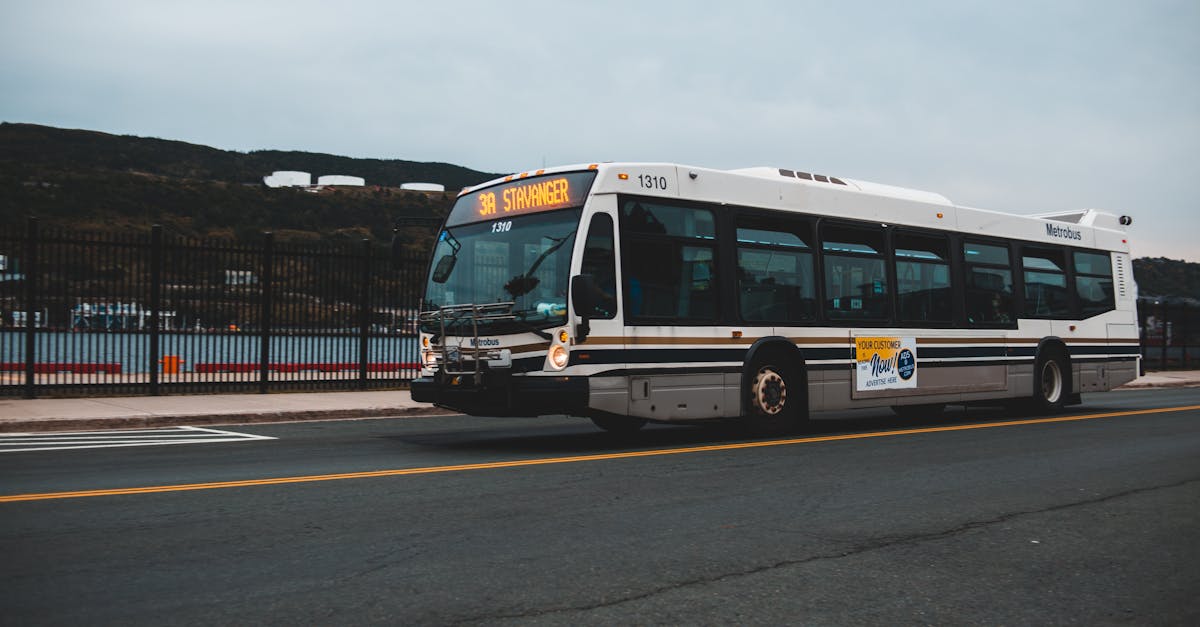 This photo was taken by Erik Mclean on Pexels.
Welcome to the heart of Italy, where every journey is an adventure waiting to unfold. As your local guide, I know that conquering this beautiful peninsula doesn't require a private car; in fact, one of the greatest joys of Italian travel lies in embracing its diverse and efficient public transport network. From the sleek high-speed trains that slice through the countryside in minutes to the charming ferries connecting you to sun-drenched islands like Capri and Sicily, Italy offers a seamless way to explore its rich tapestry of history and landscape. Whether you are navigating the bustling metro systems of Rome and Milan or hopping on regional buses to discover hidden hilltop villages, mastering these transit options is your key to unlocking authentic experiences away from the crowds. In this post, we will dive deep into the rails, seas, and streets, equipping you with all the insider tips you need to travel confidently and freely across the Bel Paese.
Navigating the Rail Network: From High-Speed Frecciarossa to Regional Gems
Italy's rail network is the backbone of any efficient Italian itinerary, offering a seamless blend of speed and scenic beauty that connects major cities with remarkable ease. The high-speed Frecciarossa trains are the crown jewels of this system, zipping between Rome, Milan, Florence, and Naples at speeds up to 300 km/h, allowing you to sip an espresso in Turin before lunch in Bologna. These modern carriages provide air conditioning, Wi-Fi, and comfortable seating, making long-distance travel not just a necessity but a pleasure. For those seeking a more leisurely pace, regional trains offer an authentic glimpse into the countryside, winding through vineyards in Tuscany or along the rugged Amalfi coastline, stopping at charming villages that often lack airport access but are perfectly served by these local lines.
While navigating the stations might seem daunting at first, understanding the distinction between different train types is key to mastering your journey; simply look for the "Regionale" signs for slower, cheaper stops versus the premium "InterCity" or "Frecciarossa" options for express travel. Tickets can be purchased conveniently via the official Trenitalia app or at station kiosks, though it is highly advisable to validate regional tickets at the green machines before boarding to avoid hefty fines. Whether you are rushing to catch a flight from Venice Marco Polo or meandering toward a hidden gem in the Dolomites, Italy's extensive rail web ensures that every destination is within reach, transforming the transit time itself into a memorable part of your cultural exploration.
 This photo was taken by Mike Bird on Pexels.
Sailing the Coastlines: A Guide to Italy's Ferry Routes and Islands
Once you have mastered the rhythm of Italy's trains, the sea offers a new chapter of adventure where ferry routes become your primary vessel for discovery. The Italian archipelago is vast and diverse, with regular services connecting the mainland to iconic destinations like Sicily, Sardinia, Capri, and the Aeolian Islands. Whether you are boarding a high-speed hydrofoil from Naples to reach the sun-drenched cliffs of Capri in under an hour or taking a leisurely overnight car ferry from Civitavecchia to Palermo to explore the historic streets of Sicily, these maritime links provide unparalleled access to coastal gems that trains simply cannot reach. Booking in advance during the peak summer months is essential, as these popular routes often fill up quickly, but the journey itself is often just as memorable as the destination, offering sweeping views of the Tyrrhenian and Ionian seas.
Beyond the major tourist hubs, regional ferry networks serve as the lifeline for smaller islands and remote coastal villages, allowing travelers to experience authentic Italian island life away from the crowds. In places like the Cinque Terre or the Tuscan Archipelago, ferries are not merely transport but a scenic way to navigate between charming ports, ensuring you can hop from one picturesque town to another without the hassle of parking or winding mountain roads. For those seeking flexibility, many operators offer seasonal passes or combined train-and-ferry tickets that simplify logistics across different regions. Embracing this maritime mode of transport transforms your itinerary into a fluid journey along the coastline, revealing hidden coves, ancient lighthouses, and vibrant harborsides that define the true spirit of Italy's relationship with the Mediterranean.
 This photo was taken by mali maeder on Pexels.
Urban Mobility Hacks: Mastering Buses, Trams, and Metro Systems in Major Cities
Navigating the bustling arteries of Rome, Milan, or Naples requires a strategic approach to their distinct public transport networks. In Rome, for instance, the Metro A and B lines are your fastest allies for crossing long distances quickly, but be sure to validate your ticket immediately upon entering the station to avoid hefty fines from the frequent spot checks. Milan offers a seamless experience with its extensive tram network that often provides a more scenic and direct route than the underground, while the city's metro system is renowned for its punctuality and coverage. Remember that in most major Italian cities, a single ticket allows you to transfer between buses, trams, and metros within a specific time window, typically 90 minutes, making it essential to plan your route efficiently to maximize this flexibility without needing multiple validations.To truly master urban mobility, adopt the local habit of checking real-time apps like Google Maps or city-specific services such as ATM Milano before stepping out, as schedules can vary significantly during holidays or strikes. Pay close attention to the colored lines on maps and station signs, which are color-coded to match bus routes and tram stops, ensuring you board the correct vehicle even when multiple options converge at a hub. Furthermore, always keep a small reserve of cash handy for occasional ticket machines that may not accept cards, though contactless payment is becoming increasingly common on newer buses and trains. By treating these systems as an integrated web rather than isolated services, you will move through Italy's vibrant cities with the confidence of a seasoned local, saving both time and money while enjoying the unique rhythm of daily life in the Eternal City or the fashion capital.
This photo was taken by Erik Mclean on Pexels.